Air Conditioning Installation Cost UK: 2026 Price Guide
A detailed 2026 guide to air conditioning installation costs in the UK, covering split systems, F-Gas regulations, and realistic pricing for bedrooms and lounges.
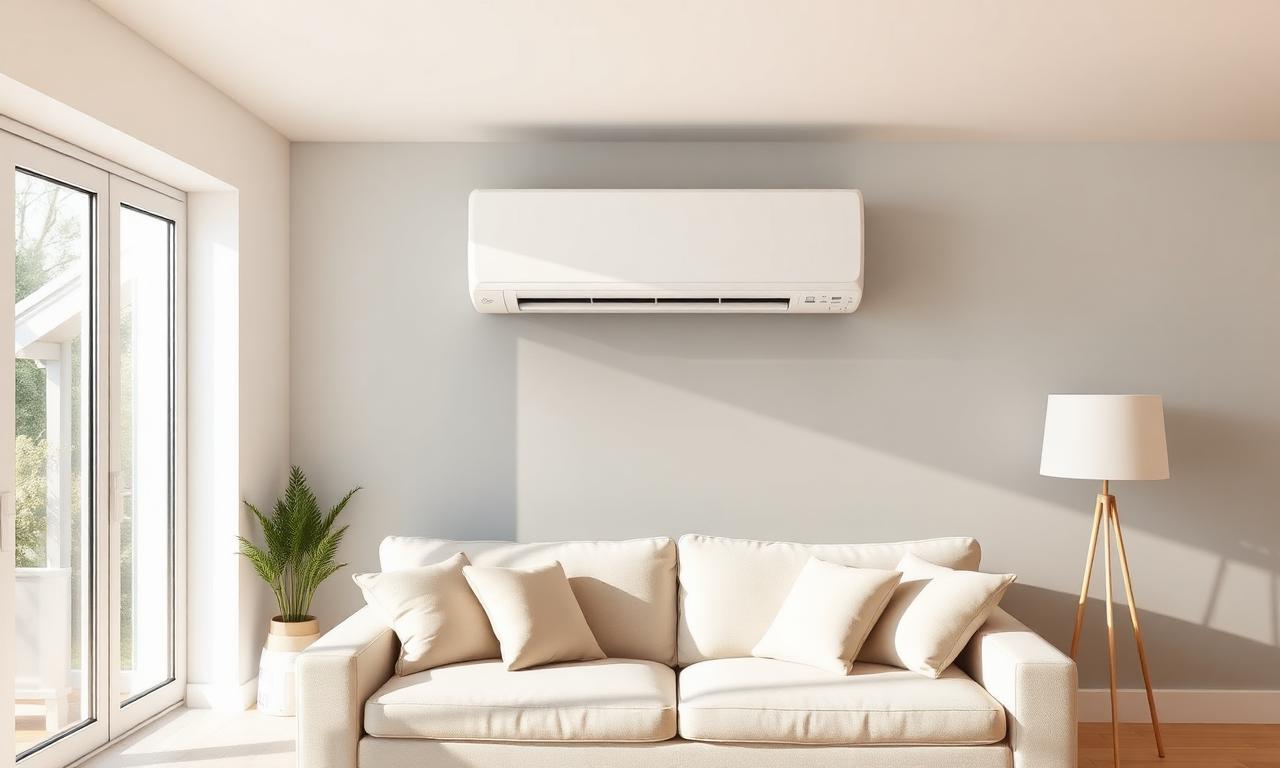
As UK summers become increasingly intense, the demand for residential cooling has shifted from a luxury to a practical necessity for many homeowners. Understanding the various factors affecting the air conditioning installation cost UK residents can expect to pay is the first step toward creating a comfortable living environment. In the current 2026 market, pricing is influenced by fluctuating material costs, the scarcity of certified F-Gas engineers, and the move towards high-efficiency heat pump technology. Whether you are looking to cool a single loft conversion or an entire detached property, managing your budget requires a clear breakdown of unit prices, labour rates, and the hidden technical requirements that ensure a safe and legal installation.
The UK air conditioning market is unique compared to Europe or North America. Historically focused on commercial spaces, the residential sector is now dominated by high-efficiency air-to-air heat pumps. These systems do more than just cool; they provide a cost-effective heating alternative during the shoulder months of spring and autumn. When calculating the air conditioning installation cost UK homeowners must account for both the hardware—manufactured by industry leaders like Daikin, Mitsubishi Electric, and Panasonic—and the skilled labour required to satisfy Building Regulations. This guide provides a comprehensive overview of 2026 pricing, technical specifications, and the regulatory framework that governs the industry.
Investing in air conditioning is not merely about immediate comfort; it is about future-proofing your home against rising temperatures and potentially increasing its resale value. However, the complexity of these systems means that 'cheap' DIY solutions often lead to long-term issues. From the sizing of the unit in kilowatts (kW) to the positioning of the outdoor condenser, every detail impacts the final invoice. By following this guide, you will gain the transparency needed to navigate quotes from local contractors and understand exactly where your money is being spent in the modern UK HVAC landscape.
- Expect to pay between £1,650 and £2,500 for a professional single-room AC installation in 2026.
- F-Gas certification is a legal requirement for all installers to ensure safe handling of refrigerants.
- A 2.5kW unit is typically the ideal size for a standard UK master bedroom or home office.
- Multi-split systems save external space but often cost more in labour due to complex pipe runs.
- Modern inverter-driven AC units are highly efficient, costing roughly 15p to 25p per hour to run.
- Annual maintenance is essential to protect your 5-7 year manufacturer warranty and ensure energy efficiency.
- Check Part P electrical compliance to ensure the new power feed meets UK Building Regulations safety standards.
The Breakdown of AC Hardware and Material Costs
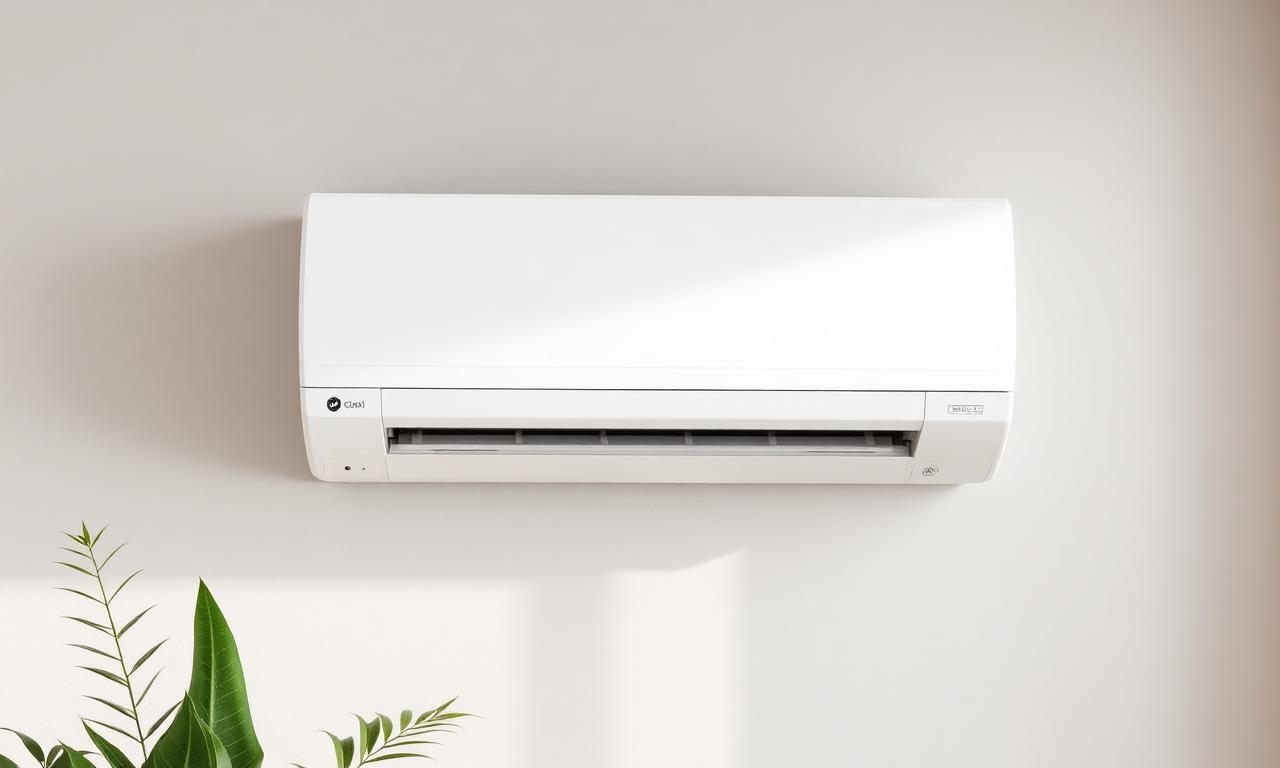
For a standard UK residential installation, the hardware represents approximately 40% to 60% of the total project price. In 2026, a single-split 2.5kW wall-mounted unit from a premium manufacturer like Mitsubishi Electric or Daikin typically costs between £650 and £950 for the indoor and outdoor units combined. Mid-range options from brands such as LG or Samsung often sit in the £500 to £750 bracket, while budget-focused units may be sourced for as little as £400. However, the unit price is just the beginning. Installers must also factor in the cost of specialist materials including refrigerant-grade copper piping, which has seen significant price volatility over the last few years. In a typical 5-metre pipe run, you can expect to pay around £150 to £250 for the pre-insulated copper, condensate drainage pipes, and electrical interconnecting cables.
Beyond the units themselves, additional hardware such as wall brackets or floor-mounting feet for the outdoor condenser adds another £40 to £80 to the bill. If the installation requires the pipework to be hidden, plastic trunking, often referred to as 'Inoac' or 'SpeediChannel', will cost roughly £10 to £15 per metre. In more complex scenarios where the indoor unit is located far from an external wall, a condensate pump might be necessary to push waste water uphill or across a ceiling void. These pumps are a common feature in UK installs and add between £80 and £130 to the material costs. Homeowners should also check if their quote includes a Wi-Fi controller, as while many 2026 models include this as standard, some entry-level Panasonic or cheaper units still treat it as an optional £50 to £100 add-on.
When we look at multi-split systems, where one outdoor condenser powers multiple indoor units, the hardware costs scale differently. An outdoor multi-split unit capable of powering three rooms (a 'triple split') typically costs between £1,600 and £2,300. Each subsequent indoor unit then adds its own individual cost. While this saves space in the garden or on the patio, the refrigerant pipework requirements increase significantly, often doubling or tripling the material expenditure compared to a single-split system. For a standard three-bedroom semi-detached home, the total material and hardware package for a multi-split setup often reaches £3,500 to £4,500 before a single hour of labour is billed.
Labour Rates and Technical Expertise in 2026
Labour is a significant component of the air conditioning installation cost UK residents must budget for, primarily due to the stringent legal requirements surrounding refrigerant gases. In 2026, the average daily rate for a two-person installation team (a lead F-Gas engineer and an assistant) ranges from £500 to £800 depending on your location, with London and the South East sitting at the top of that bracket. A standard 'back-to-back' installation, where the indoor unit is placed on the same wall as the outdoor unit, usually takes 4 to 6 hours to complete. For more complex runs that require lifting floorboards or chasing walls, a single room installation can easily extend into a second day of labour.
The expertise required is non-negotiable. Under the F-Gas Regulation (EC) 517/2014, it is a legal requirement that anyone installing, maintaining, or servicing stationary refrigeration and air conditioning equipment containing fluorinated greenhouse gases must hold a valid F-Gas certificate, such as those issued by REFCOM or F-Gas Register. This regulation is designed to prevent the leakage of refrigerants like R32, which, while more environmentally friendly than older gases, still has a substantial Global Warming Potential (GWP). When you pay for professional labour, you are paying for the use of vacuum pumps to dehydrate the system, nitrogen pressure testing to ensure there are no leaks, and the technical skill to flare copper joints without creating future failure points.
Electrics also play a role in labour costs. Under Part P of the Building Regulations, any new electrical circuit in a 'special location' (like a bathroom) or a significant new addition to a consumer unit must be notified to local building control or carried out by a self-certified competent person. Many HVAC installers are not qualified electricians, so they may bring in a sub-contractor to run a dedicated 16-amp or 20-amp feed from your fuse box to the outdoor unit. This electrical work typically adds £250 to £450 to the total labour cost. If your existing consumer unit is old and lacks RCD protection, you may be looking at additional costs to upgrade the board to meet 18th Edition Wiring Regulations (BS 7671), which can add a further £300 to £600 to the project.
Sizing Your AC: kW Ratings and Room Suitability
Getting the size of the unit right is crucial for both comfort and cost-efficiency. In the UK, air conditioning capacity is measured in kilowatts (kW) or British Thermal Units (BTU). A common mistake is assuming that a bigger unit is always better. An oversized unit will 'short-cycle', turning on and off rapidly, which causes excessive wear on the compressor and fails to dehumidify the air properly. Conversely, an undersized unit will run constantly at maximum power, failing to reach the target temperature and unnecessarily inflating your electricity bills. For a standard UK master bedroom (approx. 12-15 square metres), a 2.5kW (9,000 BTU) unit is almost always the correct choice. These units are currently priced in the lowest tier of the 2026 market.
For larger lounges or open-plan kitchen-diners (approx. 25-35 square metres), you will likely need a 3.5kW (12,000 BTU) system. The price jump from a 2.5kW to a 3.5kW unit is surprisingly small, usually only £100 to £150 for the hardware. However, once you move into the 5kW (18,000 BTU) or 7kW (24,000 BTU) range for very large spaces or commercial-style home offices with multiple servers, the costs increase significantly. A 5kW system often requires larger diameter pipework and pulls more current, which can complicate the electrical installation. In 2026, a 5kW single-split installation typically starts at £2,200 and can rise to £3,000 depending on the brand and complexity.
Loft conversions present a specific challenge in the UK. Because they are often the warmest part of the house due to rising heat and solar gain through Velux windows, they frequently require a higher cooling capacity than a ground-floor room of the same dimensions. A loft room might need a 3.5kW unit where a bedroom downstairs would only need a 2.5kW. When calculating your requirements, a professional surveyor will use a 'heat load calculation'. This takes into account the volume of the room, the orientation of the windows (south-facing rooms need more cooling), the number of occupants, and any heat-generating appliances. In 2026, most reputable installers include this survey for free as part of their quoting process to ensure the equipment specified is fit for purpose.
Summary of Installation Costs by Property Type
To provide a realistic picture of the air conditioning installation cost UK homeowners face, we must look at different property configurations. For a 'budget' single-room installation in a small bedroom, using a mid-range brand like Samsung or LG, the total price usually falls between £1,600 and £1,900. Questo including the unit, labour, and standard materials. If you opt for a premium Daikin or Mitsubishi Electric 'Designer' series unit—which are ultra-quiet and available in various colours like black or silver to match your decor—the price for a single room is more likely to range from £2,100 to £2,600.
Moving up to a multi-room setup, a 'Back-to-Back' double split (cooling two bedrooms located above each other or side-by-side) typically costs between £3,200 and £4,200. This is often more cost-effective than installing two separate single-split systems because you only have one outdoor condenser to mount and one electrical feed to run. However, if the rooms are on opposite sides of the house, the labour and material costs for the long pipe runs will push this closer to £5,000. In 2026, many owners of three-bedroom semi-detached houses opt for a triple-split system to cover the main bedroom, a guest room/office, and the lounge. Such an installation typically ranges from £5,500 to £7,500, depending on the length of the internal pipework and whether it needs to be routed through a loft space.
Full-house solutions in larger detached properties are bespoke projects. For a system covering five or six rooms using a combination of wall-mounted units and perhaps a 'ducted' system for the master suite (where the unit is hidden in the ceiling with only a discreet grille visible), budgets should start at £10,000 and can easily reach £18,000. These high-end installations often incorporate smart home integration, allowing the AC to be controlled via systems like Control4 or Hive. While the initial outlay is high, these systems use variable refrigerant flow (VRF) technology to be incredibly efficient, only sending the exact amount of cooling needed to each room, which helps manage long-term running costs.
Hidden Costs: Planning, Scaffolding, and Maintenance
While most residential AC installations fall under 'Permitted Development' in the UK—meaning you don't need formal planning permission—there are notable exceptions. If you live in a Conservation Area, a National Park, or a Listed Building, you must consult your local planning authority before mounting a condenser on an external wall. Obtaining planning consent can add £200 to £500 in application fees and often requires a professional noise assessment to prove the unit won't disturb neighbours. Modern units from Mitsubishi Electric are incredibly quiet (often around 19dB-21dB for the indoor unit and 45dB-50dB for the outdoor unit), but planners may still insist on acoustic enclosures or specific placements, which can add £400 to the total cost.
Accessibility is another factor that can inflate the air conditioning installation cost UK residents pay. If the outdoor unit needs to be mounted high on a wall or on a roof, his may require scaffolding. While a simple tower might cost £150 a day, full scaffolding for a two-storey house can easily add £600 to £1,000 to the project. Installers will usually try to avoid this by using 'long-reach' ladders or cherry pickers, but safety regulations in 2026 are strict. If there is no safe way to access the installation point, the homeowner must bear the cost of the access equipment. It is always best to walk the installer through the exterior of your property during the survey to identify these hurdles early.
Finally, the cost of ownership doesn't end at installation. To maintain the manufacturer's warranty (which is often 5 to 7 years for brands like Daikin and Panasonic), you must have the system serviced annually by an F-Gas qualified engineer. A standard residential service in 2026 costs between £120 and £180 per visit. This involves cleaning the filters, disinfecting the heat exchangers, checking refrigerant pressures, and ensuring the condensate drains are clear. Neglecting this maintenance not only voids your warranty but also reduces the energy efficiency of the system, potentially increasing your electricity bills by 10% to 20% as the unit struggles to move air through clogged filters.
The Installation Process and Timeline
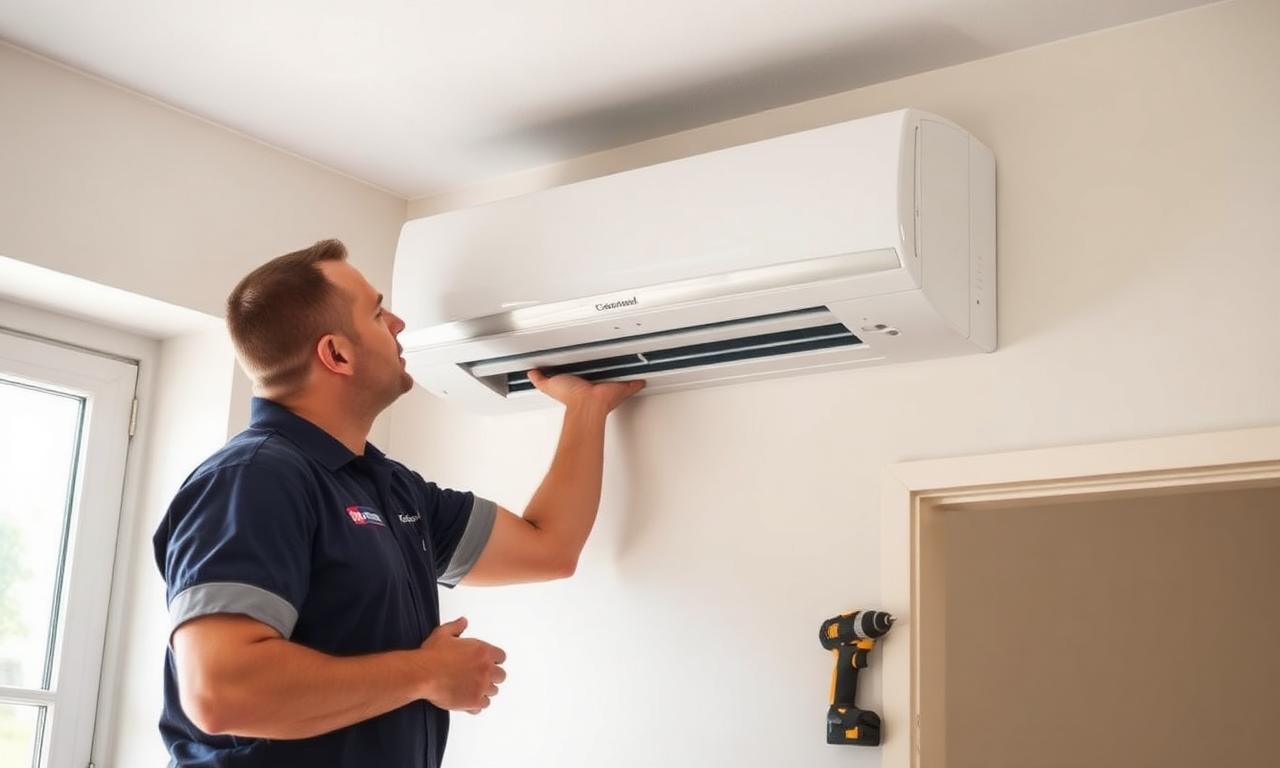
Understanding the timeline of an AC installation can help you plan your home life. Once you have accepted a quote, a typical single-room installation takes one working day. The process begins with 'first-fixing' the mounting plates for the indoor unit and core-drilling a 65mm hole through the external wall for the pipework. This is the messiest part of the job, although professional installers use industrial vacuums attached to the drill to minimise dust. In 2026, most high-quality contractors also use floor protection and plastic sheeting as standard procedure. After the hole is drilled, the copper pipes, communication cables, and drainage lines are fed through and connected to the indoor unit.
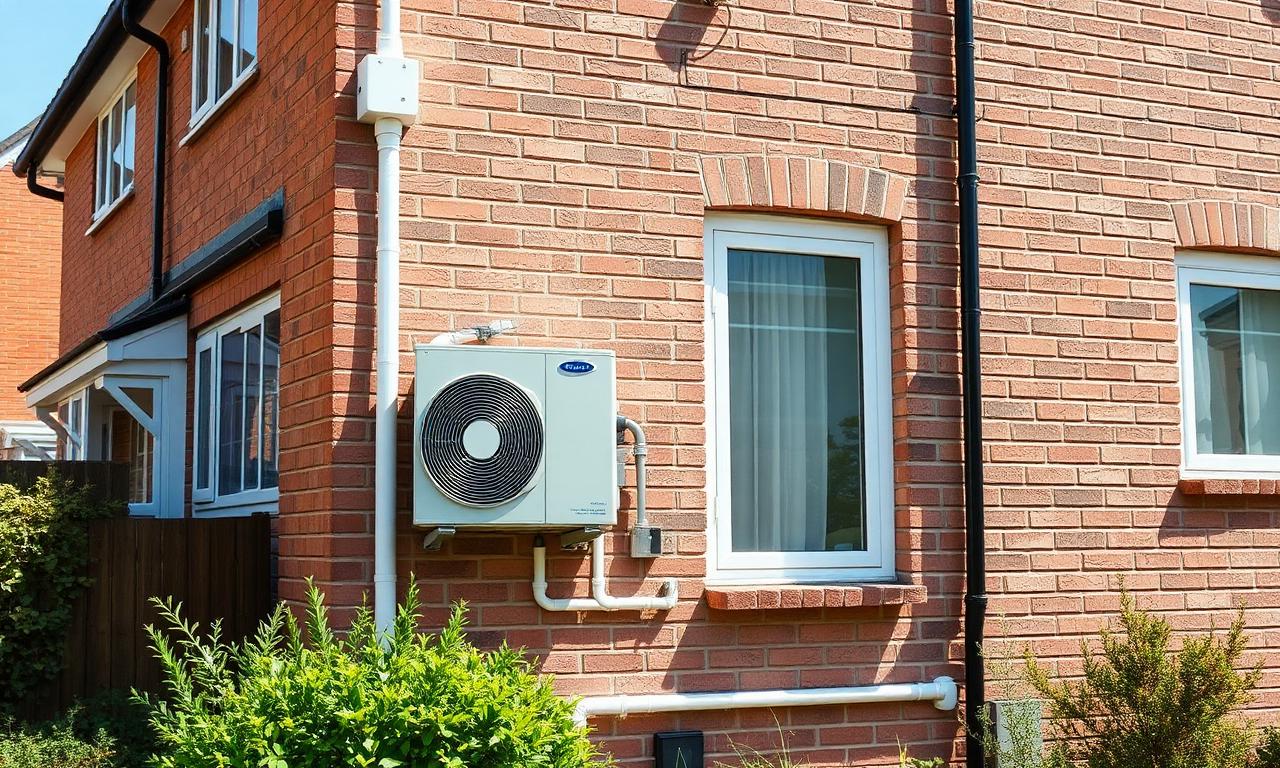
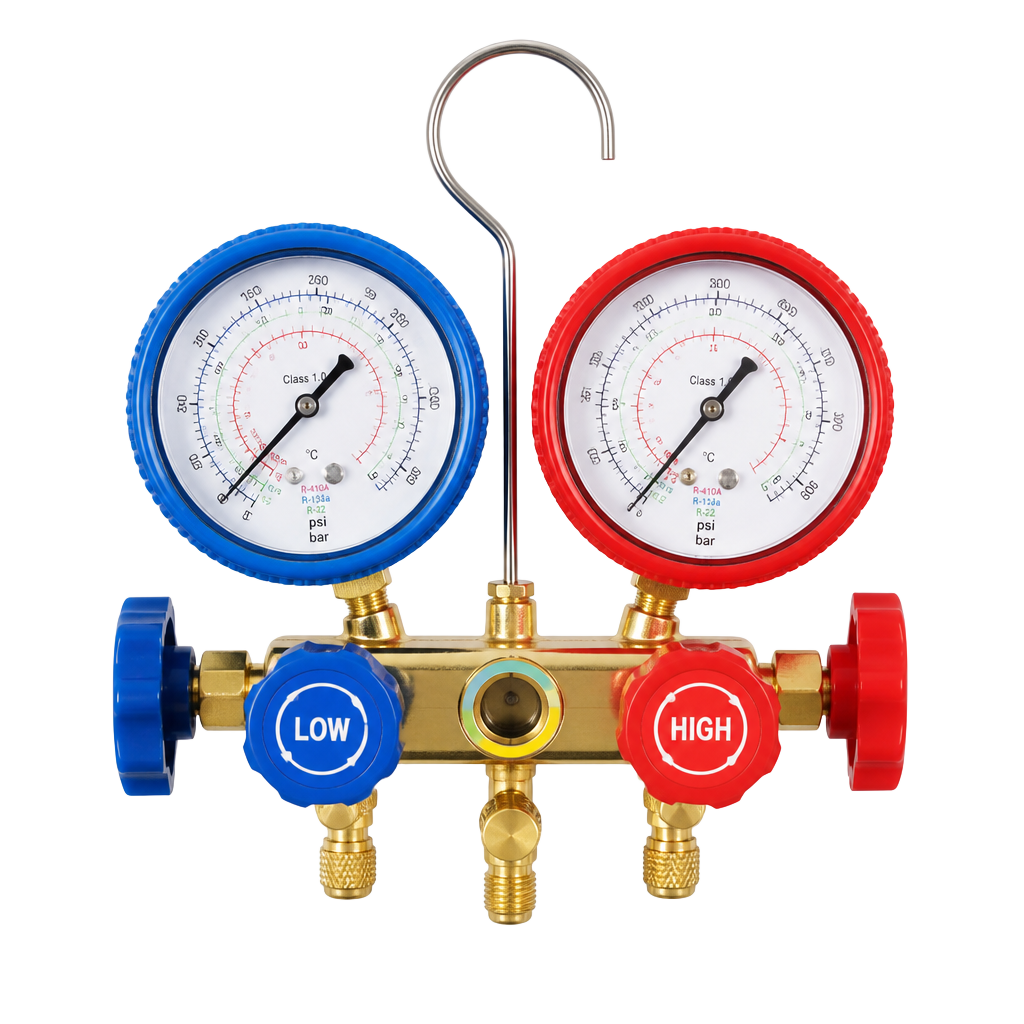
The second stage involves the 'outdoor unit' placement. The condenser is either bolted to a wall using heavy-duty brackets or placed on the ground on 'Big Foot' rubber mounts to dampen vibrations. Once the pipework is connected to the outdoor unit, the system must undergo a 'pressure test' using dry nitrogen. This ensures there are no leaks in the circuit before the expensive refrigerant gas is introduced. The system is then 'evacuated' using a vacuum pump to remove any air or moisture, which is critical for the long-term health of the compressor. This vacuum process usually takes 30 to 60 minutes depending on the length of the pipe run.
The final stage is commissioning. The engineer will release the refrigerant charge stored in the outdoor unit, check the operating pressures, and measure the 'delta T' (the temperature difference between the air entering and leaving the unit) to ensure it is cooling effectively. They should then walk you through the remote control functions and the Wi-Fi app. From start to finish, a two-room multi-split system will typically take two days, while a larger multi-room project could take three to five days. You should receive an F-Gas commissioning certificate and a receipt for the work, which you will need if you ever sell your property or need to make a warranty claim.
Evaluating Running Costs: Is it Expensive to Run?
A primary concern regarding air conditioning installation cost UKwide is the subsequent impact on the monthly electricity bill. In 2026, modern inverter technology has made air conditioning much cheaper to run than many people realise. An 'inverter' allows the motor to vary its speed rather than just being 'on' or 'off', similar to how a car's accelerator works. For a standard 2.5kW unit with an A+++ efficiency rating, the power consumption during normal operation is roughly 0.5kW to 0.8kW per hour. Based on a 2026 electricity price of 28p per kWh, running a bedroom AC for four hours in the evening would cost approximately 56p to 90p per day.
It is also important to consider the 'Seasonal Energy Efficiency Ratio' (SEER) and the 'Seasonal Coefficient of Performance' (SCOP). A SEER of 8.5 or higher indicates an extremely efficient unit for cooling. Because almost all modern AC units sold in the UK are 'air-to-air heat pumps', they are also incredibly efficient at heating. In the winter, these units can be 300% to 400% efficient, meaning for every 1kW of electricity used, they produce 3kW to 4kW of heat. This can actually save you money if you use the AC to 'top up' the heat in a specific room rather than turning on the whole-house gas central heating system. During the shoulder seasons, using the AC for heating is often significantly cheaper than running a boiler.
To keep running costs low, homeowners should use the 'timer' or 'scheduling' functions. Cooling a room down before you go to bed and then setting the unit to turn off after two hours is far more efficient than leaving it running all night. Additionally, keeping windows and doors closed when the AC is active is essential. If you have a solar PV system installed on your roof, the running costs of air conditioning can drop to near zero, as the peak generation of solar power coincides perfectly with the peak demand for cooling on sunny afternoons. This synergy makes AC an increasingly attractive option for those who have already invested in renewable energy for their homes.
How to Choose a Reputable UK Installer
Choosing the right contractor is the most important factor in ensuring your air conditioning installation cost UK budget is well spent. You should always look for a company that is REFCOM or F-Gas Register certified; this is a legal requirement and they should be happy to provide their registration number. Avoid any 'handyman' who claims they can install a pre-gassed unit without these credentials. While 'DIY' or 'plug-and-play' kits exist, the 2026 regulations still require a qualified engineer to sign off on the commissioning if the system is not a completely portable, 'monoblock' style unit. Using an uncertified person will not only void your insurance but could result in significant fines.
Get at least three quotes and ensure they are 'like-for-like'. One installer might quote for a budget brand like Midea, while another quotes for a premium Mitsubishi Electric unit. The price difference could be £500, but the quality, noise levels, and warranty periods will be vastly different. A reputable installer will always conduct a site survey (either in person or via a detailed video call) before providing a final price. Be wary of 'instant online quotes' that don't ask about your wall construction, electrical consumer unit, or outdoor unit location, as these are the areas where 'unforeseen' costs typically arise once the work starts.
Check for 'Authorized Dealer' status for brands like Daikin or Panasonic. Installers who have undergone manufacturer-specific training can often offer extended warranties—sometimes up to 7 or 10 years—at no extra cost to you. Finally, read recent reviews on independent platforms and ask about their after-sales support. A good company will have a dedicated maintenance department to handle your annual servicing. In the 2026 UK climate, the peace of mind that comes with a professional, warrantied installation is worth the slightly higher upfront cost compared to 'cowboy' contractors who may disappear if the system develops a leak in its second year.
Frequently asked questions
Do I need planning permission for AC in the UK?+
Usually, no. Most residential AC installations are covered under 'Permitted Development' provided the outdoor unit is under a specific size and is placed away from property boundaries. However, if you live in a Conservation Area, a National Park, or a Listed Building, you must check with your local council as there are stricter rules regarding external modifications.
How long does the installation take?+
A standard single-room 'back-to-back' installation typically takes between 4 and 6 hours. A multi-split system for two or three rooms will generally require 1.5 to 2 full working days. More complex projects involving routing pipework through lofts or under floors can take up to a week depending on the property size.
What is the cheapest way to install air conditioning?+
A 'back-to-back' installation of a single wall-mounted unit is the most cost-effective method. Placing the indoor unit on the same external wall as the outdoor condenser ensures minimum labour time and material usage. Choosing a 2.5kW unit from a mid-range brand like LG or Samsung also keeps the hardware costs down.
Can I install AC myself to save on costs?+
No. Under UK F-Gas Regulation (EC) 517/2014, it is illegal for an unqualified person to pipe up, pressure test, or commission an air conditioning system containing fluorinated greenhouse gases. DIY installation will also void the manufacturer's warranty and your home insurance policy in the event of a leak or fire.
What brand of air conditioner is best for UK homes?+
Daikin and Mitsubishi Electric are generally considered the premium market leaders in the UK, offering the best reliability and the quietest operation (often below 20 decibels). Panasonic and Samsung offer excellent mid-range alternatives with modern smart features, while brands like Midea and Haier provide budget-friendly options that still offer high efficiency.
Does air conditioning add value to a UK home?+
Increasingly, yes. As the UK experiences more frequent heatwaves, residential air conditioning is becoming a sought-after feature. Experts suggest it can make a property more attractive to buyers, particularly for bungalows or houses with loft conversions that are prone to overheating, potentially adding between 1% and 3% to the property's desirability.
How often should I service my AC unit?+
You should have your system professionally serviced once a year. This is usually a condition of the manufacturer's warranty. Regular servicing ensures the system runs at peak efficiency, prevents bad odours from bacterial growth in the drainage tray, and allows an engineer to catch minor refrigerant leaks before they cause major compressor damage.