How Much to Install Air Conditioning in a UK House
A comprehensive 2026 guide for UK homeowners on air conditioning installation costs, legal requirements under F-Gas regulations, and professional sizing advice.
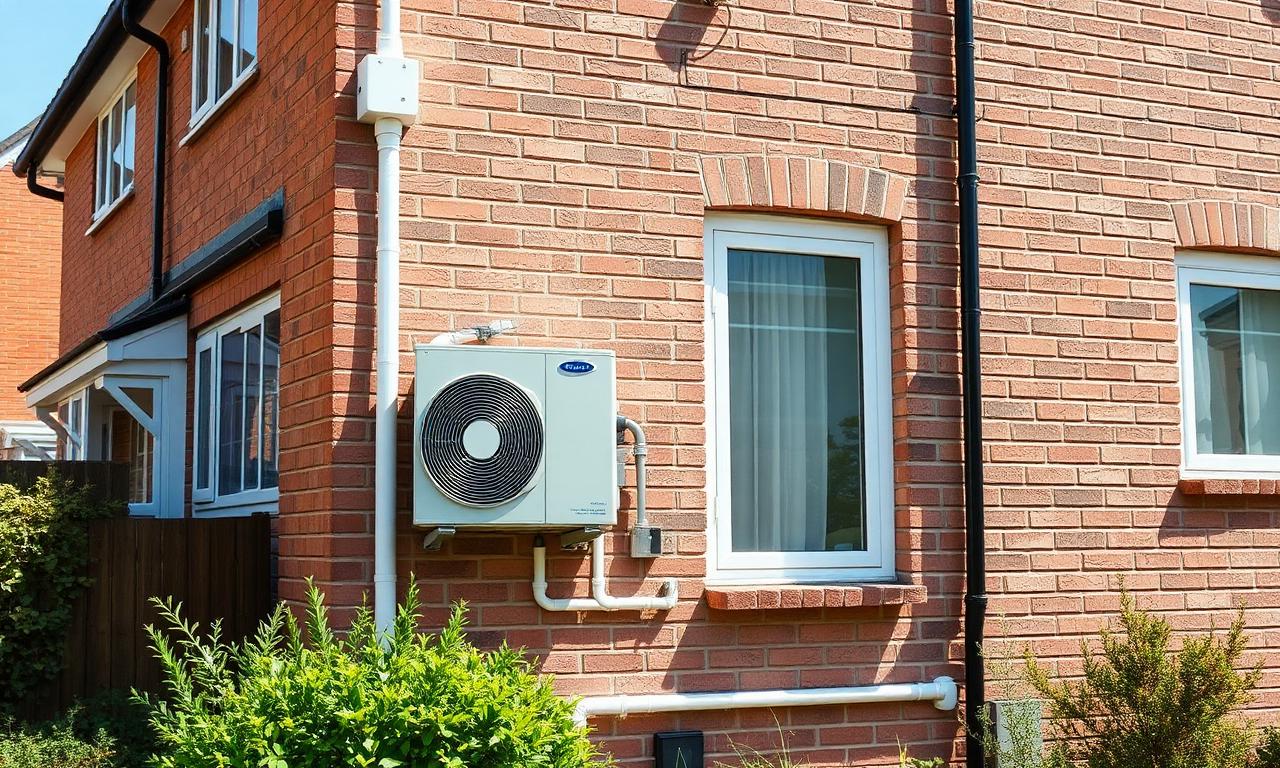
As British summers continue to break temperature records, more homeowners are shifting their focus from central heating to climate control. If you are currently researching how much to install air conditioning in a house, you have likely noticed that the UK market is distinct from the US or Europe. Most UK homes rely on hydronic radiators rather than ductwork, meaning the installation process is typically a retrofit of air-to-air heat pumps rather than a simple replacement of a central furnace. Modern systems do more than just cool; they provide highly efficient heating during the winter months, potentially lowering your carbon footprint when compared to traditional gas boilers.
Estimating the cost of a domestic installation involves balancing hardware prices, labour rates, and the structural complexities of your specific property. A single-room installation in a small bedroom will differ significantly from a multi-split system designed to cool an entire four-bedroom detached house. Beyond the initial purchase price, you must also consider the long-term operational costs and the strict legal framework surrounding refrigerant handling in the UK. This guide breaks down every financial and technical aspect to help you budget accurately for a professional installation in 2026.
The UK government has placed a significant emphasis on decarbonisation, and while air conditioning is often seen as a luxury, the underlying technology—air-source heat pumps—is at the heart of the nation’s net-zero strategy. By understanding the mechanical requirements, the thermal dynamics of your home, and the prevailing market rates for F-Gas certified engineers, you can make an informed decision that adds value to your property and ensures year-round comfort.
- Expect to pay between £1,750 and £2,500 for a professional single-split installation using a premium brand in 2026.
- Always ensure your installer is F-Gas certified (REFCOM/Quidos) to comply with UK law and maintain your warranty.
- A 2.5kW unit is typically sufficient for a UK bedroom, while 3.5kW is better for most living rooms.
- Modern air-to-air heat pumps provide highly efficient heating in winter, not just cooling in summer.
- Place outdoor units at least 1 metre from boundaries to stay within Permitted Development guidelines and avoid noise disputes.
- Annual maintenance is essential to prevent 'dirty sock' smells and ensure the system operates at peak efficiency.
Typical UK Installation Costs for 2026
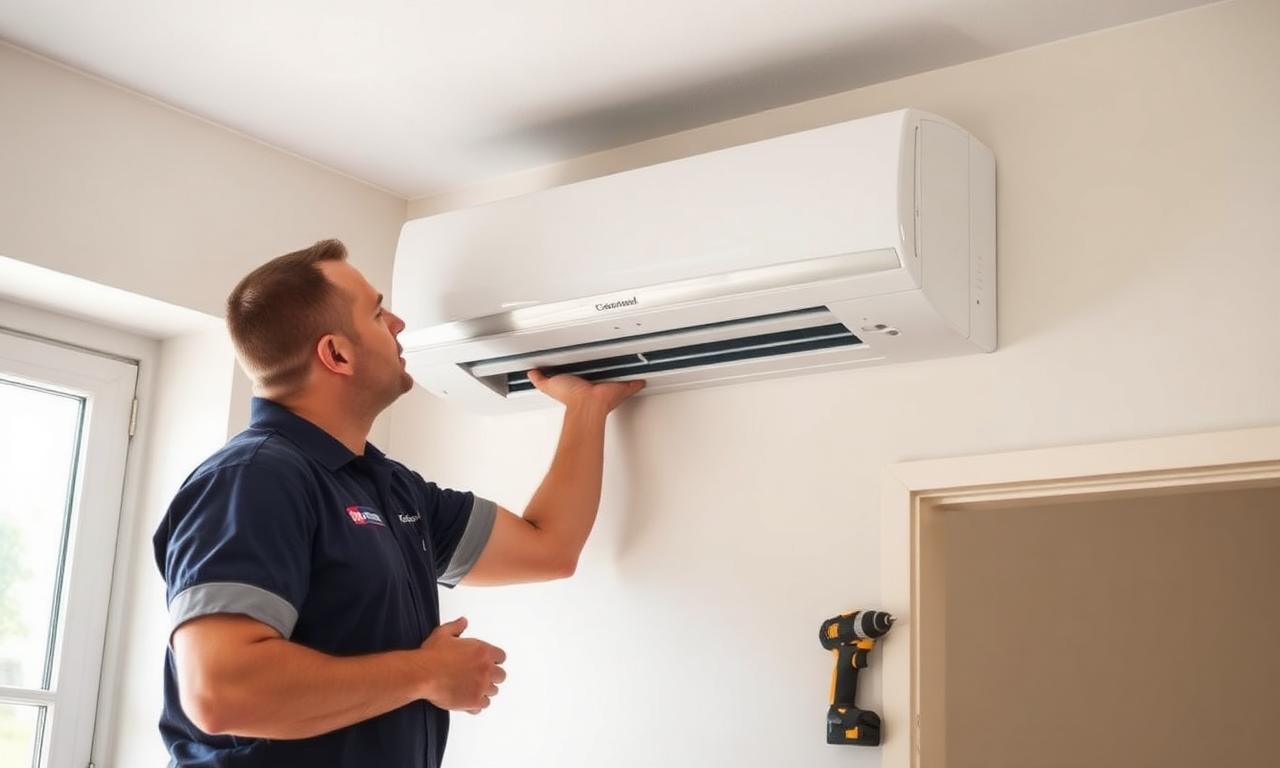
For a standard UK residential property, the cost of installing air conditioning varies based on the number of indoor units and the complexity of the pipework. As of 2026, a single-split system—consisting of one indoor wall-mounted unit and one outdoor condenser—typically ranges from £1,750 to £2,500 including VAT at 20%. This price range usually covers a back-to-back installation where the indoor unit is mounted on the same wall as the outdoor unit, minimizing the need for extensive trunking or pump systems. For premium brands like Daikin or Mitsubishi Electric, you should expect to pay at the higher end of this scale due to their superior build quality and lower decibel ratings.
When we look at multi-split systems designed for multiple rooms, the costs scale accordingly but not linearly. A dual-split system (two indoor units, one outdoor) typically costs between £3,200 and £4,500. A three-room system for a standard terrace or semi-detached house generally falls between £5,000 and £7,000. These figures account for the increased power required by a larger outdoor condenser and the additional labour hours needed to route copper piping through floor voids or along external walls. High-end installations featuring concealed ducted units or designer 'Zen' style units will command a further premium, often starting at £8,000 for a whole-house solution.
Labour remains a significant portion of the quote, usually accounting for 40% to 50% of the total price. In London and the South East, daily labour rates for a pair of F-Gas certified engineers range from £500 to £800. Materials such as insulated copper pipe, refrigerant (R32 is currently the UK standard), condensate pumps, and wall brackets add approximately £300 to £600 to the bill. It is important to note that since 2022, there has been some ambiguity regarding VAT on energy-saving materials; however, purely cooling-only systems generally attract the full 20% rate, whereas systems installed primarily for heating may qualify for the 0% VAT relief under specific conditions, though this is subject to HMRC's strict interpretation of the 'ancillary' rule.
Sizing Your System: BTU and kW Requirements
One of the most common mistakes UK homeowners make is choosing a unit based solely on price without calculating the required cooling capacity. Air conditioning capacity is measured in British Thermal Units (BTUs) or Kilowatts (kW). In the UK, a standard bedroom (approx. 10-15 square metres) usually requires a 2.5kW (9,000 BTU) unit. For larger living rooms or open-plan kitchen-diners (20-30 square metres), a 3.5kW (12,000 BTU) unit is standard. Over-sizing a unit leads to 'short-cycling,' where the compressor turns on and off too frequently, leading to premature wear and higher energy bills. Under-sizing means the unit will run constantly without ever reaching the target temperature.
The calculation isn't just about floor space; it’s about heat gain. A south-facing room with large floor-to-ceiling windows will require significantly more cooling power than a north-facing room with small windows. For example, a conservatory, which acts as a greenhouse, may require a 5kW (18,000 BTU) unit even if the floor area is relatively modest. Professional installers use a simplified heat load calculation involving room volume, window orientation, insulation levels, and the presence of heat-generating appliances like PCs or large televisions. You should always ask your installer for a copy of these calculations to ensure the proposed hardware is fit for purpose.
Modern inverter technology has changed how we view sizing. Unlike older fixed-speed compressors that were either 0% or 100% on, modern units from brands like Panasonic or LG can modulate their output. This means a 3.5kW unit can 'throttle down' to 0.9kW once the room is cool, maintaining the temperature with minimal electricity. This flexibility makes modern systems much more forgiving than those of a decade ago. However, the physical size of the indoor unit also increases with capacity; a 5kW or 7kW wall unit is considerably wider and deeper than a 2.5kW unit, which may impact where you can aesthetically place it in a room.
The Legal Landscape: F-Gas and Part P Regulations
In the UK, the installation of stationary refrigeration and air conditioning equipment is governed by the F-Gas Regulation (EC) 517/2014. This law mandates that any person handling fluorinated greenhouse gases (F-Gases) must hold a valid category 1 certificate. As a homeowner, it is illegal to purchase a 'split' system and attempt a DIY installation involving the connection of refrigerant lines. You must ensure your installer is 'REFCOM' or 'Quidos' registered. This registration ensures the engineer is trained to leak-test the system, vacuum the lines to remove moisture, and handle the R32 or R410A refrigerant safely. Engaging an uncertified installer not only voids your manufacturer warranty but can result in significant fines and environmental damage.
Beyond gas regulations, you must consider the electrical safety of the installation, which falls under Part P of the Building Regulations in England and Wales. A new air conditioning system requires a dedicated electrical circuit, especially for multi-split units drawing more than 16 Amps. This work should be carried out by a competent person, such as an electrician registered with NICEIC or NAPIT. They will provide an Electrical Installation Certificate (EIC) and, if necessary, notify local building control. Failure to obtain these certificates can cause significant delays and complications when you come to sell your home, as buyers' solicitors will request proof that all electrical modifications meet current safety standards.
Energy Efficiency Ratings (SEER and SCOP) are also regulated variables. The Seasonal Energy Efficiency Ratio (SEER) indicates how efficient a unit is over a typical cooling season, while the Seasonal Coefficient of Performance (SCOP) measures heating efficiency. In the UK, look for units with a SEER of at least 6.1 (A++ rating) and an SCOP of 4.0 or higher. The F-Gas regulations also mean that older refrigerants like R22 are now completely banned for servicing, and even R410A is being phased out in favour of R32, which has a much lower Global Warming Potential (GWP). Choosing an R32-ready system ensures your installation remains compliant and serviceable for the next 15 to 20 years.
Installation Process and Timeline
A standard single-split installation usually takes a team of two engineers one full working day (approx. 6 to 8 hours). The process begins with the indoor unit placement. The engineer will secure a mounting plate to the wall, ensuring it is level to allow for proper condensate drainage. A 65mm hole is then core-drilled through the external wall at a slight downward angle. This hole facilitates the passage of the two copper pipes, the electrical interconnecting cable, and the plastic condensate drain hose. If the unit is being installed on an internal wall, a condensate pump may be required to push the water upward into a ceiling void or toward a soil pipe, which adds about £150 to the cost and introduces a minor 'clicking' sound during operation.
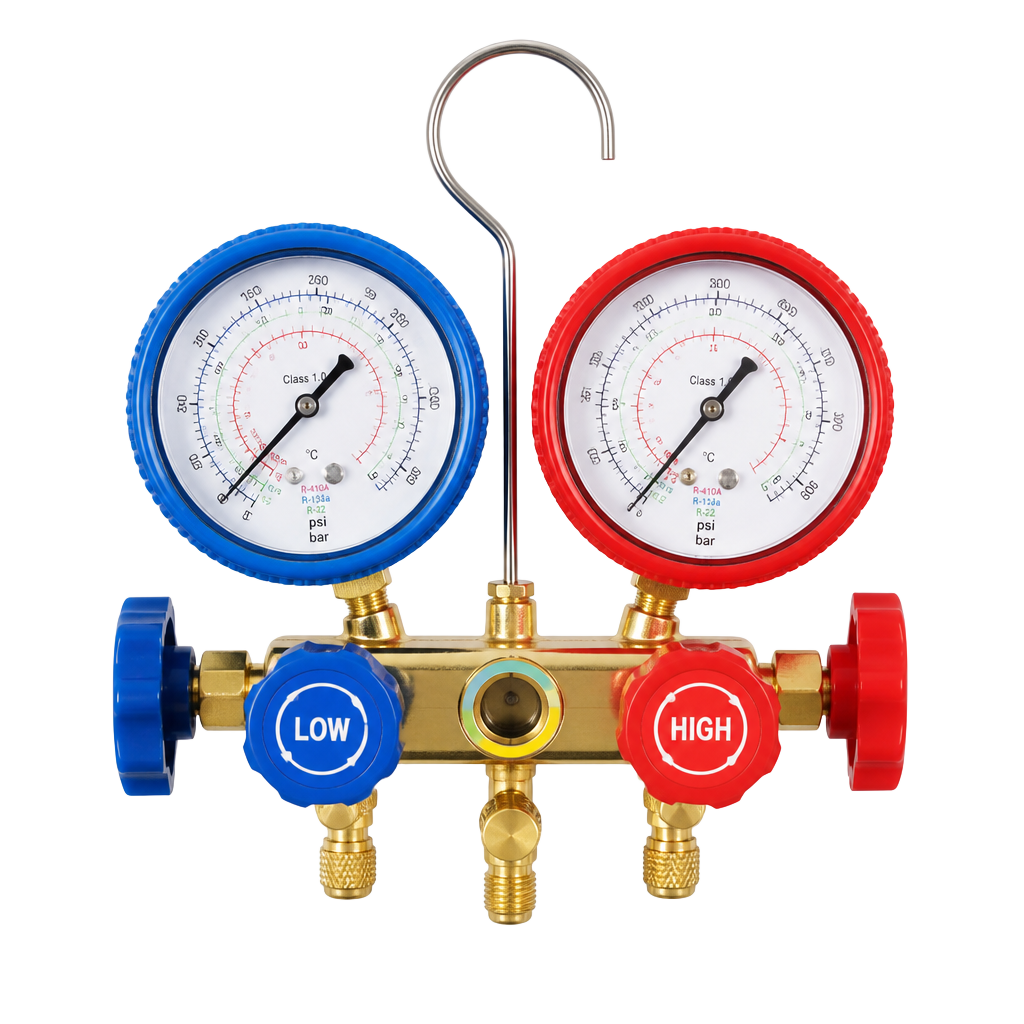
Once the indoor unit is mounted, the focus shifts to the outdoor condenser. This is typically placed on heavy-duty rubber feet (vibration isolators) on a flat ground surface or mounted on the wall using galvanized steel brackets. The copper pipes are then connected using 'flare' fittings or by brazing. Crucially, the engineer must then perform a 'nitrogen purge' to check for leaks at high pressure, followed by a 'vacuum pull-down' using a specialized pump. This step is vital as it removes air and moisture from the lines, which would otherwise react with the compressor oil and cause the system to fail within a few years. Only after these tests are passed is the refrigerant released into the system.
Multi-split installations are more complex and can take between two to four days depending on the number of rooms. The main challenge in UK homes is hiding the pipework. In new builds, pipes can sometimes be hidden in stud walls, but in older Victorian or Georgian properties, installers often use decorative plastic trunking along the exterior of the house or inside the rooms. If you prefer a completely hidden look, you must budget for additional 'first-fix' time where carpets are lifted and floorboards are notched, followed by a 'second-fix' once the units are ready to be commissioned. Always ensure a commissioning report is provided at the end of the job, documenting the pressures, temperatures, and electrical draw of the system.
Long-Term Running Costs and Maintenance
One of the most frequent questions regarding how much to install air conditioning in a house relates to the ongoing electricity bills. Modern UK systems are incredibly efficient. A 2.5kW unit uses roughly 0.6kW of electricity per hour at full load, but as it reaches the target temperature, this can drop to as little as 0.2kW. At a standard UK electricity rate of 28p per kWh (as of current 2024/25 estimates), running a single unit in a bedroom for four hours an evening would cost approximately 30p to 60p per day. For a hot summer month, this equates to roughly £15 to £20 per room. However, using the system for heating in the winter can be even more cost-effective than gas, provided the unit has a high SCOP rating.
Maintenance is a non-negotiable cost if you wish to maintain your 5-to-7-year manufacturer warranty. A professional service visit usually costs between £100 and £150 per year. During this visit, the engineer will clean the evaporator coils with anti-bacterial spray (to prevent 'dirty sock syndrome' smells), check the refrigerant pressures, clear the condensate drains, and inspect the electrical connections. Homeowners can reduce these costs by performing simple tasks themselves, such as vacuuming the dust filters every two to four weeks during periods of heavy use. Clogged filters restrict airflow, forcing the motor to work harder and increasing energy consumption by up to 15%.
Repair costs outside of warranty can be high. Replacing a PCB (circuit board) can cost £300 to £500, while a failed compressor might cost over £1,000, often making a full unit replacement more economical. This highlights the importance of choosing a reputable brand with a strong UK parts supply chain, such as Samsung or LG. Cheaper 'no-name' units may save you £200 on the initial installation, but if a proprietary sensor fails three years later and parts are unavailable in the UK, the entire system becomes e-waste. Stick to the 'Big Five' manufacturers to ensure your investment remains protected for the long term.
Choosing Between Wall, Floor, or Ducted Units
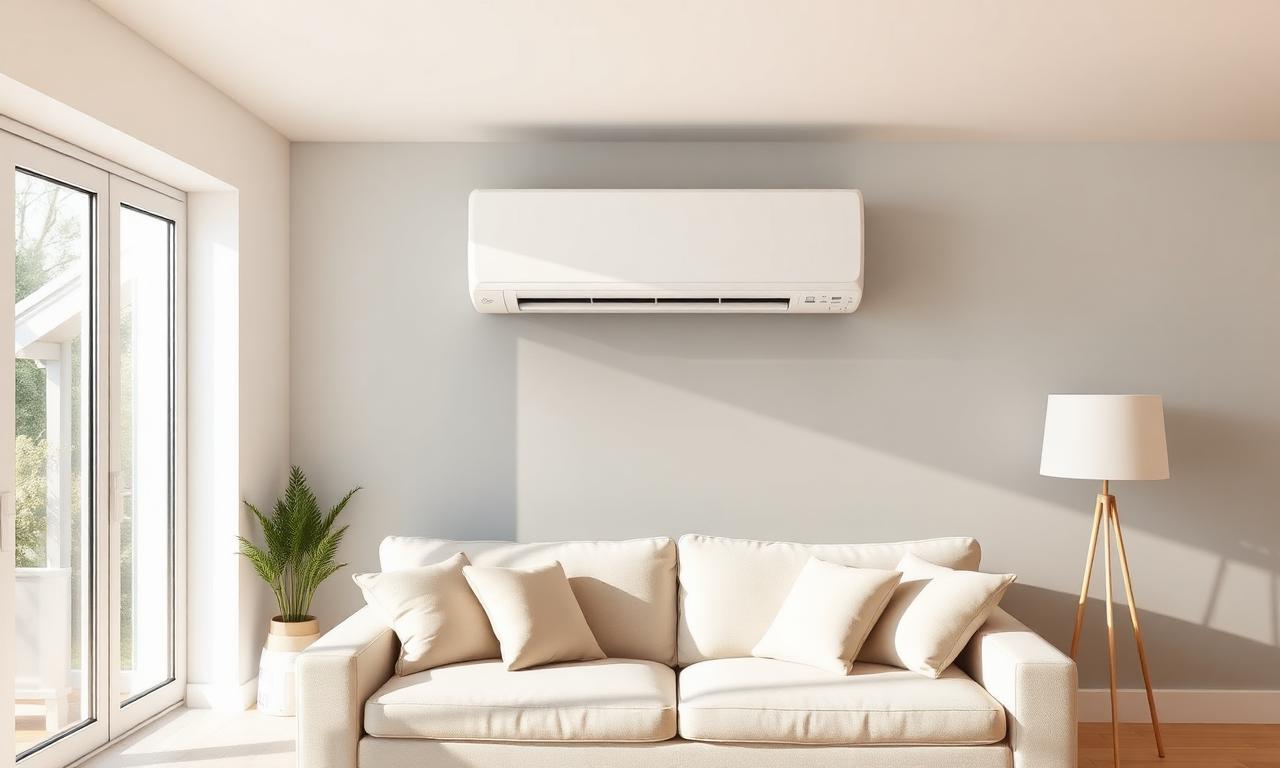
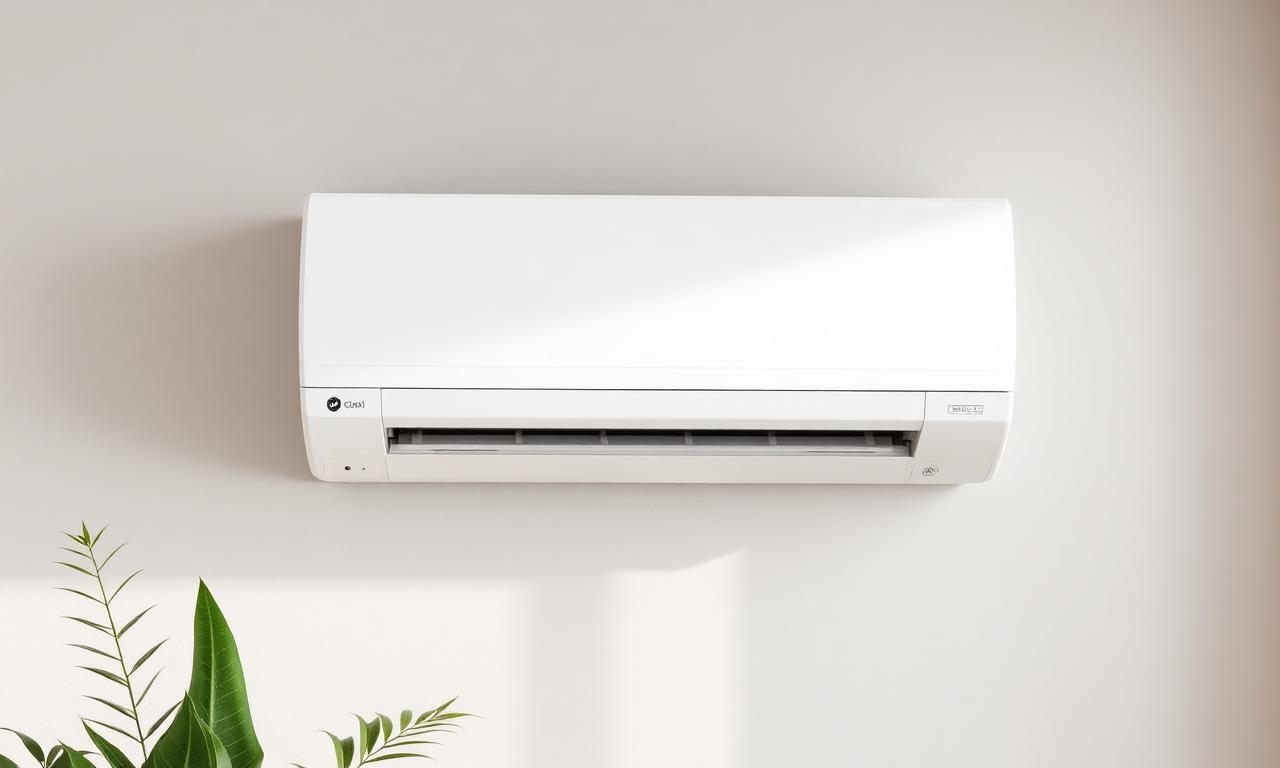
The 'how much' of your installation is heavily dictated by the form factor of the indoor units. Wall-mounted units are the most popular and cost-effective choice for UK homes. They are easy to install, provide excellent air distribution, and are available in various aesthetics, including sleek black or silver finishes. However, some homeowners find them intrusive in traditional décors. Floor-mounted units, which sit at the same level as a radiator, are a great alternative for lofts or rooms with sloped ceilings where wall space is limited. These are typically £200-£400 more expensive than wall units due to lower production volumes and more complex internal fans.
For those seeking a discrete 'hotel-style' look, ducted systems are the gold standard. These units are hidden in a loft or ceiling void, with air delivered to the rooms via small grilles. While aesthetically superior, the installation cost for a ducted system is significantly higher—often double that of a wall-mounted system—because of the extensive ductwork and the need for a carpenter or plasterer to create access panels and air plenums. A single-room ducted installation can easily exceed £3,500. Another niche option is the 'ceiling cassette', which is common in offices but gaining traction in residential kitchens. These require a deep ceiling void (usually 250mm+) and cost roughly £500 more than a wall unit.
When choosing, consider the air flow. Wall units blow air from the top down, which is ideal for cooling as cold air naturally sinks. Floor units are often better at heating because they distribute warm air across the floor, which then rises. If your primary reason for installation is summer cooling, a high-level wall unit is almost always the most efficient and budget-friendly choice. If you are renovating a property from the ground up, this is the time to consider ducted or lowered-ceiling solutions to hide the internal mechanics entirely, though you must account for the loss of ceiling height in your architectural plans.
Common Mistakes to Avoid
The most pervasive mistake in the UK is opting for 'portable' air conditioners instead of a fixed installation. While a portable unit costs only £300 to £500, they are incredibly inefficient, noisy (65dB+), and require a hose to be poked out of a window. This 'open window' method allows hot air back in, largely defeating the purpose. In contrast, a fixed split system is nearly silent indoors (approx. 19-21dB on quiet mode) and hermetically sealed. Another common error is placing the outdoor condenser in a confined space, such as a narrow alleyway or behind a thick bush. Air conditioners work by dumping heat; if the outdoor unit cannot breathe, it will overheat and shut down, or at the very least, operate at a fraction of its rated efficiency.
Neglecting the 'condensate' plan is another pitfall. All air conditioners extract moisture from the air (dehumidification). This water must go somewhere. In a perfect world, it drains via gravity to the outside. However, if your room is in the middle of the house, you will need a condensate pump. These pumps have a limited lifespan and can be noisy. Experienced installers will always try to find a gravity-drain solution first to ensure long-term reliability. Homeowners should also be wary of 'cheap' quotes that don't include VAT or structural work. If an installer says they don't need to be F-Gas certified because the unit comes 'pre-gassed,' they are misleading you. The gas is in the unit, but the connection process still requires certified handling under UK law.
Finally, don't overlook your neighbour's peace and quiet. While modern outdoor units are very quiet, placing one directly outside a neighbour’s bedroom window can lead to noise complaints through the local council’s environmental health department. In the UK, most domestic AC installations fall under 'Permitted Development,' meaning you don't need planning permission. However, there are strict rules: the outdoor unit must not exceed 0.6 square metres in volume and must be at least 1 metre from the property boundary. If you live in a flat, a conservation area, or a listed building, you must check with your local planning authority and management company before proceeding, as these rules are significantly more restrictive.
Summary of Next Steps and Brand Selection
Once you have decided to proceed, the next step is to obtain at least three written quotes. A reputable installer should visit your site in person; 'remote' quotes based on photos are often inaccurate because they fail to account for electrical loads or pipework obstacles. During the survey, ask which brand they recommend. Mitsubishi Electric (the Ecodan/City Multi lineage) and Daikin are widely considered the market leaders in terms of reliability and technical support. However, Samsung and LG offer excellent 'smart' features, allowing you to control your AC via a smartphone app before you even arrive home. Panasonic is often cited for its air purification technology (Nanoe-X), which can be a deciding factor for hay fever sufferers.
Ensure the quote is 'all-inclusive.' It should cover the units, materials, F-Gas commissioning, electrical work (Part P), and the removal of all packaging. It is also wise to ask for a 'commissioning sheet' upon completion, which proves the system was installed to the manufacturer’s specification. Lastly, check your home insurance policy. Most standard policies will cover air conditioning as a fixed fixture of the home, but it is worth notifying them once the installation is complete to ensure your rebuild value is updated. By following these steps and focusing on quality over the lowest price, you ensure that your new climate control system provides a cool, comfortable sanctuary for many years to come.
In conclusion, while the question of how much to install air conditioning in a house has a broad answer, budgeting approximately £2,200 per primary room is a safe and realistic starting point for 2026. This investment not only improves your quality of life during increasingly frequent heatwaves but also serves as a high-efficiency heating backup, potentially adding 2-5% to your property's resale value. As energy prices fluctuate, the move towards localized, efficient climate control is becoming less of a luxury and more of a practical necessity for the modern UK homeowner.
Frequently asked questions
Do I need planning permission for air conditioning in the UK?+
Usually, no. Most domestic installations are covered under Permitted Development. However, the outdoor unit must be at least 1 metre from the boundary and meet specific size limits. If you live in a flat, a conservation area, or a listed building, you must consult your local planning office first.
How long does a typical installation take?+
A single-room back-to-back installation typically takes a team of two engineers one working day (6-8 hours). Multi-split systems for three or four rooms usually take between two and four days, depending on how difficult it is to hide the pipework behind walls or under floorboards.
Can air conditioning replace my central heating?+
Yes, air-to-air heat pumps are very efficient heaters. While they don't provide hot water (you still need a boiler or immersion heater for that), they can heat a room faster and often more cheaply than gas radiators. They are excellent for supplement heating in home offices or extensions.
What is the best brand of air conditioning for a UK home?+
Daikin and Mitsubishi Electric are the 'premium' choices known for longevity and quietness. Panasonic, LG, and Samsung are excellent mid-range options with superior smart-home integration. Always choose a brand with a strong UK parts distribution network to ensure future serviceability.
How much does it cost to run air conditioning per hour?+
At 2026 electricity rates (approx. 28p/kWh), a standard 2.5kW bedroom unit costs roughly 10p to 15p per hour to run once the room is cooled. Modern inverter units are highly efficient and will 'throttle down' to use very little power once the target temperature is achieved.
Do I need to service my air conditioner every year?+
Yes, an annual service (costing £100-£150) is usually required to maintain the 5-7 year manufacturer warranty. It ensures the system is leak-free, the filters are clean, and the condensate drains aren't blocked, which prevents water damage and maintains energy efficiency.
What is a 'back-to-back' installation?+
This is the simplest and cheapest install where the indoor unit is placed on the same external wall as the outdoor unit. The pipes go straight through the wall. If you want the unit on an internal wall, you'll pay more for longer pipe runs and potentially a condensate pump.