Air Conditioning Running Costs UK: What to Expect
Discover the true air conditioning running costs UK homeowners face in 2026. From kW ratings to SEER calculations, we break down daily and monthly expenses.
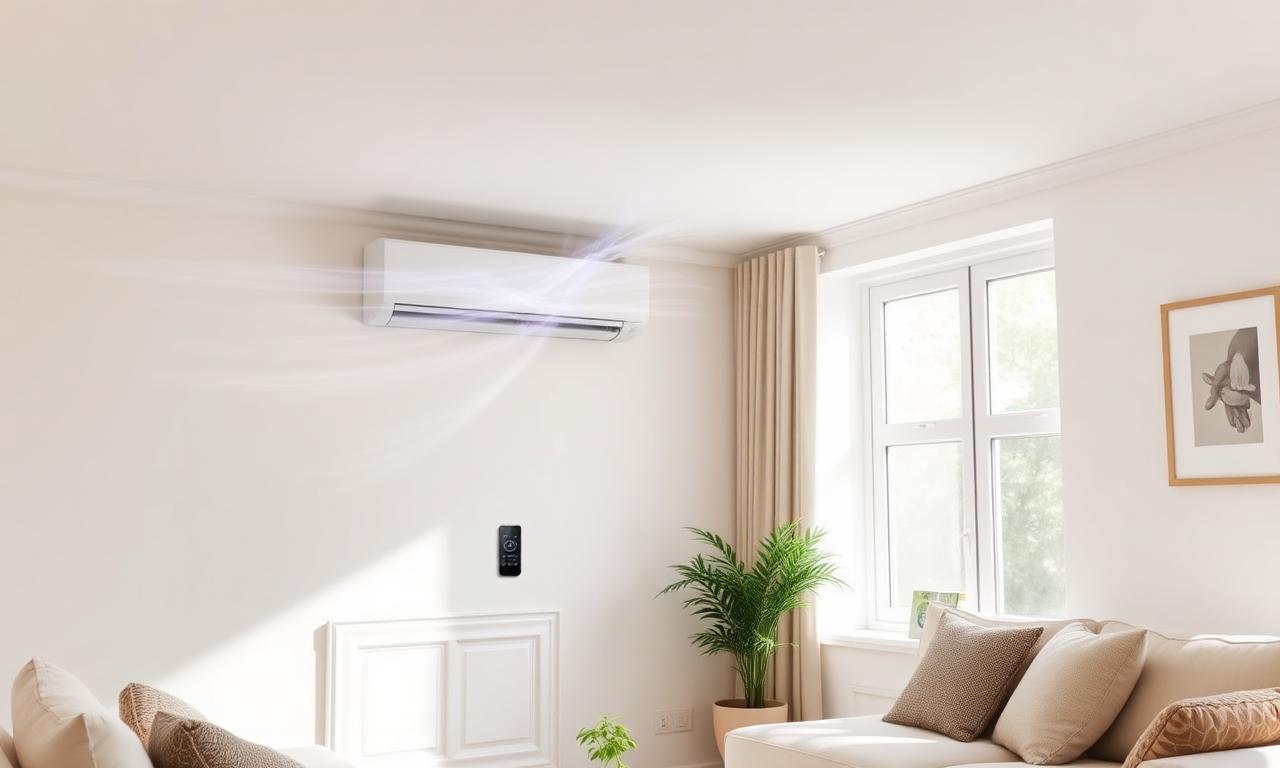
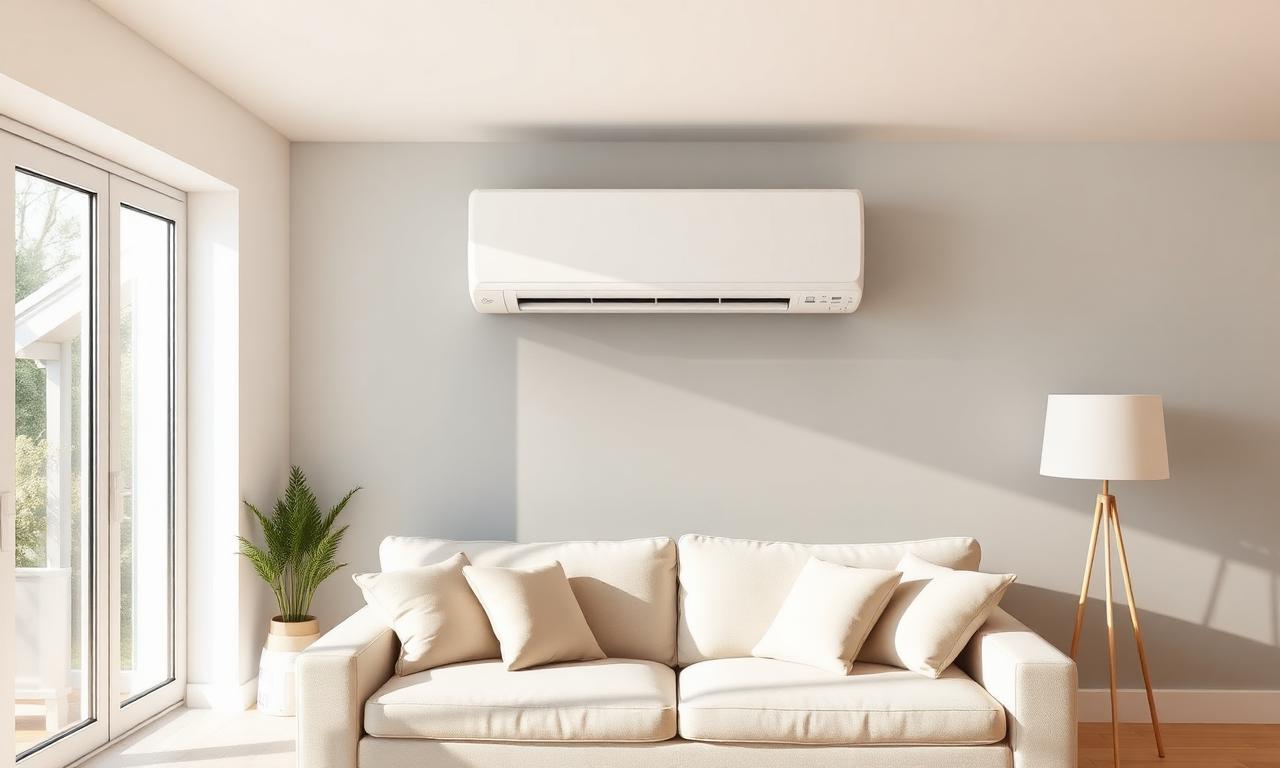
As UK summers become increasingly intense, the demand for domestic climate control has shifted from a luxury to a necessity for many households. Understanding air conditioning running costs UK is now central to the decision-making process for homeowners looking to upgrade their comfort. Unlike the outdated, power-hungry systems of the past, modern air source heat pumps—which provide both cooling and high-efficiency heating—operate on sophisticated inverter technology. This technology allows the compressor to modulate its speed rather than simply switching on and off, significantly reducing energy consumption. For the average British semi-detached or detached home, the transition to fixed AC is often more affordable than initially feared, provided the system is sized correctly and maintained according to professional standards.
Calculating your potential expenditure requires a look at current energy price caps, system efficiency ratings, and your specific cooling habits. In 2026, energy prices remain a headline concern, making the efficiency of brands like Daikin, Mitsubishi Electric, and Panasonic more relevant than ever. When we discuss running costs, we are not just looking at the pence-per-hour figure during a heatwave, but the long-term seasonal impact on your utility bills. By selecting units with high Seasonal Energy Efficiency Ratio (SEER) values, homeowners can maintain a comfortable 21°C indoor environment even when outside temperatures exceed 30°C, without facing catastrophic electricity bills at the end of the month.
This guide provides a transparent breakdown of what you can expect to pay for electricity, how installation choices influence long-term efficiency, and the legal frameworks—such as F-Gas Regulation and Part P building controls—that ensure your system is safe and economical. Whether you are considering a single-split system for a loft conversion or a multi-split solution for an entire floor, understanding these financial dynamics is the first step toward a cooler, more sustainable home environment.
- Modern UK air conditioning uses inverter technology to significantly lower daily running costs compared to older systems.
- A typical 2.5kW bedroom unit costs approximately £30-£50 per month during peak summer usage periods.
- Always hire an F-Gas certified engineer to ensure legal compliance and to protect your manufacturer's warranty.
- Correct system sizing is vital; undersized units run constantly and inflate bills, while oversized units fail to dehumidify.
- Annual professional maintenance costing £120-£200 prevents efficiency drops of up to 5% per year.
- Keeping windows closed and sets temperatures to 22-23°C are the most effective ways to lower daily expenses.
- High-efficiency brands like Daikin and Mitsubishi Electric offer superior SEER ratings, providing better long-term value for homeowners.
The Fundamentals of AC Energy Consumption in the UK
To understand air conditioning running costs UK residents must first differentiate between the cooling capacity of a unit (measured in kilowatts or BTU) and its actual power consumption. A typical bedroom unit might have a cooling capacity of 2.5kW, but this does not mean it draws 2.5kW of electricity from your socket. Thanks to the laws of thermodynamics and modern heat pump technology, these systems move heat rather than creating cold. On average, a high-quality unit from Samsung or LG will have a Seasonal Energy Efficiency Ratio (SEER) between 6.0 and 8.5. This means for every 1kW of electricity consumed, the system provides 6 to 8.5kW of cooling energy. This efficiency is why modern AC is far cheaper to run than traditional portable units found in high-street retailers.
In practical terms, a 2.5kW unit in a well-insulated UK room will typically draw between 500 and 800 watts (0.5kW to 0.8kW) of electricity while the compressor is working hard to reach the target temperature. Once the set point is achieved, the inverter technology slows the compressor down, often reducing power draw to as little as 200 watts. If we assume a 2026 electricity price of 26p per kWh, running a single bedroom unit for an afternoon (say, 5 hours) might cost between 30p and 65p, depending on the ambient temperature and the thermal efficiency of your home. This is often less than the cost of running a large tumble dryer cycle or a high-end gaming PC for the same duration.
For larger spaces like open-plan kitchen-diners, a 5kW capacity unit is standard. These units naturally draw more power, typically between 1.2kW and 1.5kW at peak load. However, because they are more powerful, they often reach the desired temperature faster and spend more time in 'maintenance mode.' When calculating your specific costs, it is vital to check the energy label on the indoor unit. Look for symbols indicating A++ or A+++ ratings. These designations are not just for show; they represent significant savings over the 10-to-15-year lifespan of the equipment. Choosing a cheaper, less efficient model might save £150 on the initial purchase but could cost an additional £400 in electricity over five years of regular summer use.
Calculating Daily and Monthly Running Costs
Estimating monthly air conditioning running costs UK homeowners face requires a realistic look at usage patterns. In Britain, we rarely use AC 24 hours a day, 365 days a year. Instead, usage is typically concentrated into a 12-week summer window, with peak usage occurring during roughly 20-30 'heatwave' days. If you operate a single 2.5kW wall-mounted unit for 8 hours a day during a warm July, you may consume roughly 120kWh of electricity over the month. At 26p per kWh, this equates to roughly £31.20 added to your monthly bill. For a multi-split system cooling three bedrooms, this could rise to approximately £80 to £100 per month during peak summer, assuming all units are used simultaneously.
It is also important to consider the 'dry mode' or dehumidification function, which is particularly useful in the humid UK climate. Running a unit in dry mode often consumes less power than full cooling mode because the fan speeds are lower and the compressor logic is optimised for moisture removal rather than rapid temperature drops. Removing humidity can make a room feel significantly cooler at 23°C than a humid room at 21°C, allowing you to set the thermostat higher and further reduce running costs. Most Daikin and Mitsubishi Electric units feature highly intelligent sensors that detect human presence, further lowering power consumption if the room is empty.
Seasonal variations also play a role if you use your AC for heating in the winter. Because these systems are air-to-air heat pumps, they are incredibly efficient at warming a room. Using AC to 'top up' the heat in a home office is often cheaper than turning on the entire central heating system for the whole house. The Seasonal Coefficient of Performance (SCOP) for heating is usually around 4.0 to 5.0, meaning you get 4-5kW of heat for every 1kW of power. While our focus here is on cooling, the dual-purpose nature of these units provides year-round value that offsets the initial installation cost more quickly than many people realise.
Sizing Your System Correctly for Efficiency
One of the most common causes of high air conditioning running costs UK homeowners encounter is an incorrectly sized system. If a unit is too small for the room (undersized), it will run at maximum capacity indefinitely, failing to reach the target temperature and consuming excessive electricity. Conversely, an oversized unit will 'short cycle,' turning on and off rapidly, which is not only inefficient but also puts unnecessary strain on the compressor. For a standard UK bedroom (approx. 12-15 square metres), a 2.5kW (9,000 BTU) unit is almost always the optimal choice. For larger lounges or South-facing rooms with significant glazing, a 3.5kW (12,000 BTU) unit is usually required.
The layout of the UK home also impacts sizing. Victorian terraces with high ceilings have a greater volume of air to cool than modern new-builds with standard 2.4m ceilings. Conservatories are the most challenging spaces; the 'greenhouse effect' means a conservatory might require a unit with double the cooling capacity of a standard brick-and-mortar room of the same footprint. A 5kW or even 7kW unit may be needed for a medium-sized conservatory to keep it usable during a 30°C August afternoon. Professional installers will use a 'heat loss/gain' calculation to determine the exact kW required, taking into account window orientation, insulation levels, and internal heat sources like appliances.
When sourcing quotes, ensure the installer specifies both the cooling capacity and the absorbed power. For instance, a Panasonic Ethrea 2.5kW unit might have a nominal power input of only 0.45kW for cooling. Comparing these figures across brands like LG and Samsung will help you identify which hardware is the most economical for your specific room dimensions. Remember that the goal is for the unit to reach the set temperature quickly and then 'idle' at a very low power draw. This modulation is the hallmark of a well-balanced system and is the primary factor in keeping your annual cooling budget under control.
Installation Costs and Professional Requirements
The initial price of installation is a major factor in the overall financial picture. For a standard back-to-back installation of a single-split wall-mounted unit, UK homeowners should expect to pay between £1,600 and £2,300 in 2026. This price typically includes the indoor and outdoor units, up to 5 metres of refrigerant pipework, a mounting bracket or floor slab for the condenser, and the labour of a qualified engineer. If the installation requires longer pipe runs, a condensate pump, or hidden trunking within walls, the cost can easily rise to £2,500 or £3,000 per room. Multi-split systems, which connect one outdoor condenser to multiple indoor units, start at approximately £3,500 for two rooms and can reach £7,000+ for a whole-house solution.
Legal compliance is non-negotiable in the UK. Under F-Gas Regulation (EC) 517/2014, it is illegal for anyone other than a certified F-Gas engineer to install or even 'commission' a pre-gassed AC system. This regulation is designed to prevent the leakage of fluorinated greenhouse gases, which have a high global warming potential. Furthermore, the electrical connection must comply with Part P of the Building Regulations. This usually means the system should be on its own dedicated circuit from the consumer unit, especially for larger units or multi-split systems. A professional installer will provide you with an F-Gas commissioning certificate and an electrical installation certificate, both of which are essential for maintaining manufacturer warranties and for the future sale of your property.
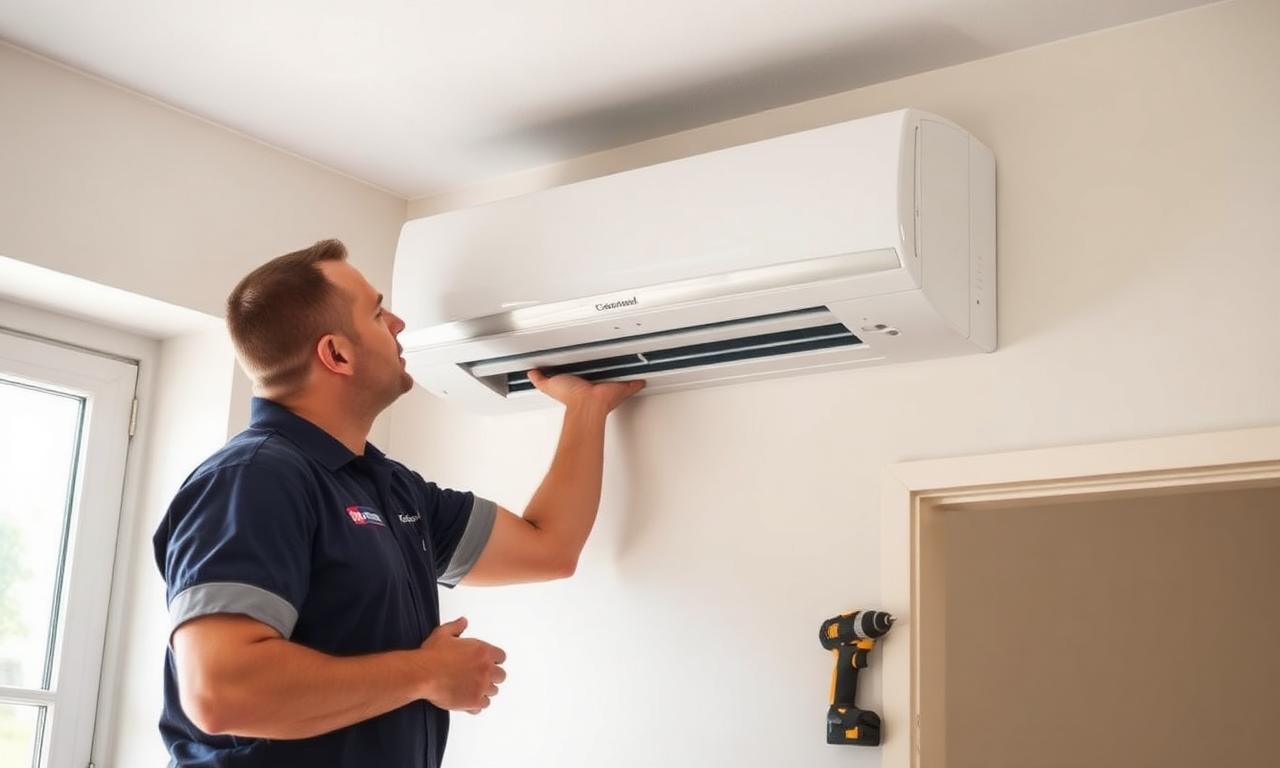
Timeline-wise, a single-split installation usually takes one working day. A more complex multi-unit system might take two to three days. The process begins with a site survey to determine the best locations for the units to ensure optimal airflow and minimal aesthetic impact. The installer will then drill a core hole (usually 65mm) through the external wall for the pipework and cables, mount the units, vacuum the system to remove moisture and air, and finally release the refrigerant. Attempting to bypass professional installation by purchasing 'DIY kits' is strongly discouraged, as most manufacturers will void the warranty immediately, and you risk heavy fines for breaching F-Gas laws.
Maintenance and Its Impact on Long-Term Costs
Maintaining your air conditioning system is critical to keeping air conditioning running costs UK at a minimum. A neglected unit with clogged filters and a dirty condenser coil has to work much harder to achieve the same level of cooling. Research suggests that an unmaintained AC unit can lose up to 5% efficiency per year. Over a five-year period, this lack of care could increase your running costs by 25% or more. For the average homeowner, basic maintenance involves cleaning the plastic dust filters in the indoor unit every month during the summer. This is a simple task: simply pop the front cover, slide out the filters, and rinse them under a tap or vacuum them.
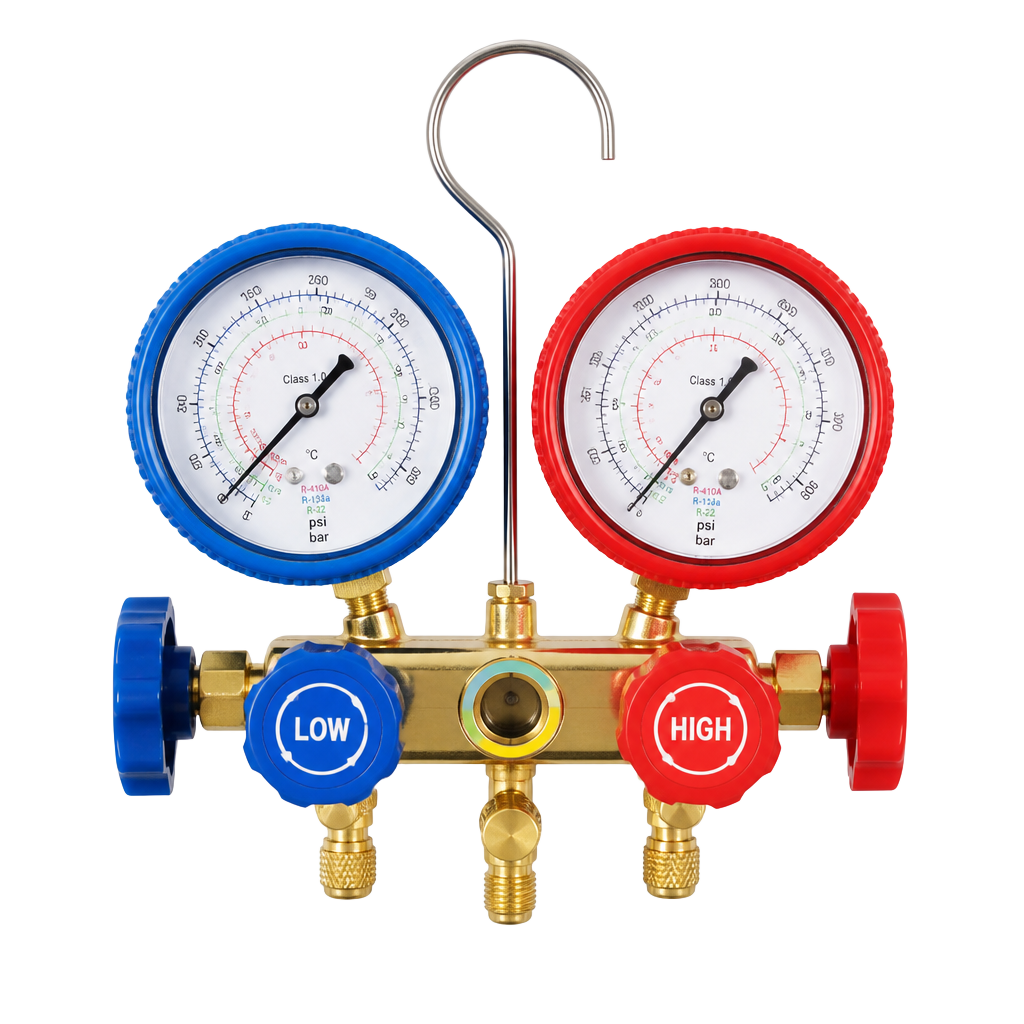
However, a professional annual service is equally important and typically costs between £120 and £200 in 2026. During this service, an F-Gas certified technician will check the refrigerant levels, inspect the electrical connections, clean the internal heat exchanger with anti-bacterial spray, and ensure the outdoor unit is free from debris like leaves or cobwebs. They will also check the condensate drain to ensure water is flowing away correctly, preventing damp issues or internal leaks. Most premium brands like Mitsubishi Electric and Daikin offer extended 5-to-7-year warranties, but these are almost always conditional on proof of annual professional servicing.
Beyond cost savings, proper maintenance also ensures air quality. Modern AC units feature advanced filtration systems that can trap allergens, pollen, and even some viruses (such as Panasonic’s Nanoe-X technology). If the unit is dirty, these features become ineffective, and the system can even become a source of musty odours. From a financial perspective, the £150 spent on an annual service is much more palatable than the £800-£1,200 cost of replacing a compressor that failed because it was constantly overheating due to poor airflow. Think of AC maintenance like an MOT for your car; it is a vital preventative measure that protects a significant investment.
Common Mistakes That Inflate Running Costs
Many UK homeowners inadvertently drive up their air conditioning running costs by using the system incorrectly. The most frequent error is 'window-open cooling.' Unlike a swamp cooler or a simple fan, a refrigerant-based AC unit is designed to recycle and dehumidity the air within a sealed environment. Leaving a window open while the AC is running allows warm, moist air to flood back into the room, forcing the unit to run at maximum power constantly. This can easily double your electricity consumption for no net gain in comfort. To maximise efficiency, keep windows and doors closed in the room being cooled, and use blinds or curtains to deflect direct sunlight, which is the primary source of heat gain in British homes.
Another mistake is the 'Arctic Blast' approach—setting the thermostat to 16°C in the hopes that it will cool the room faster. In reality, modern AC units cool the air at a constant rate; setting the temperature lower won't make the air coming out any colder, it just means the unit will stay on for much longer. Setting the thermostat to a comfortable 22°C or 23°C is usually more than sufficient and can save a significant amount on your bill compared to a 18°C setting. Each degree lower can add roughly 6-10% to the energy consumption of the unit during that cycle.
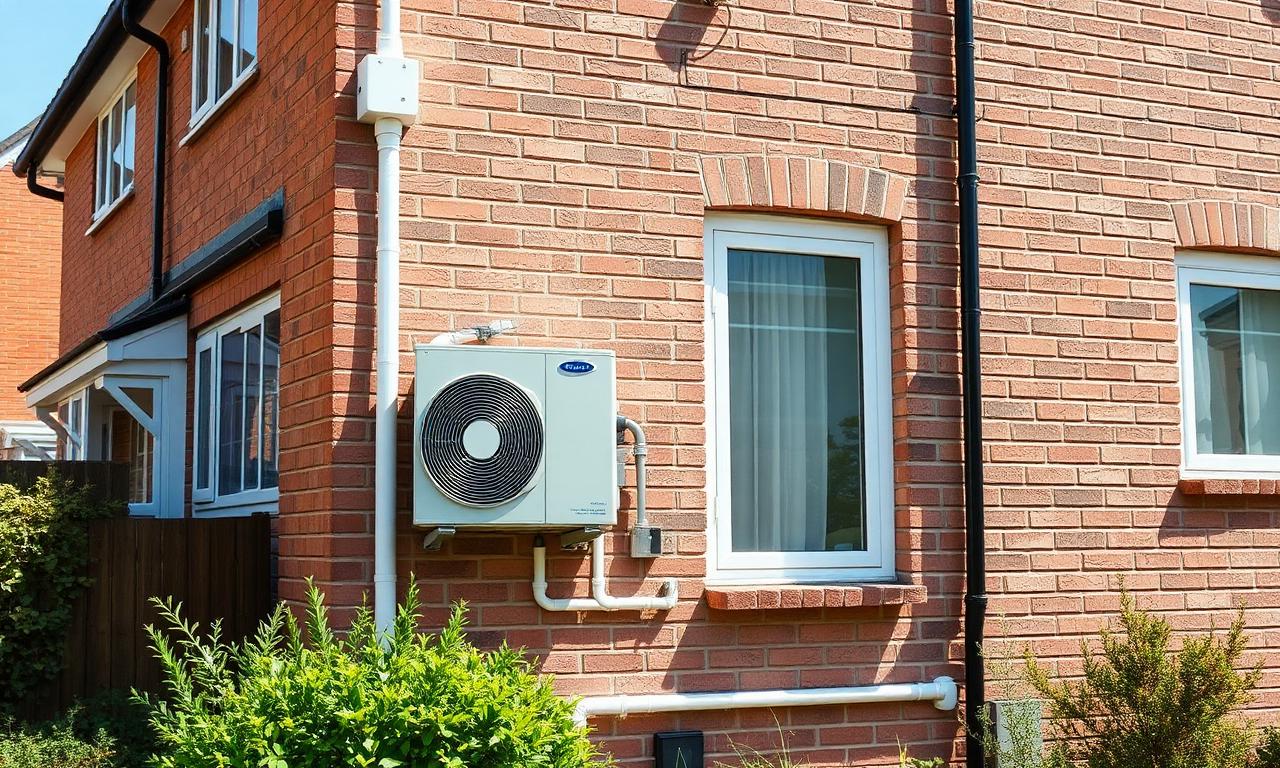
Finally, many people forget that the outdoor unit needs 'breathable' space. Hiding the condenser behind a tight wooden screen or allowing garden shrubs to grow over it restricts airflow. This forces the fan to work harder and reduces the system's ability to reject heat, leading to higher bills and shortened equipment life. Ensuring there is at least 300mm of clear space around the outdoor unit is a zero-cost way to ensure your system runs as efficiently as the manufacturer intended. By avoiding these simple pitfalls, you can keep your summer comfort affordable and reliable.
Choosing the Right Installer and Next Steps
Selecting a competent installer is the final hurdle in managing your air conditioning running costs UK effectively. You should always seek at least three quotes and ensure they are all members of Refcom or the F-Gas Register. A quality installer will not give you a price over the phone without seeing the property or at least viewing detailed photos and floor plans. They should be able to explain why they are recommending a specific kW capacity and should be transparent about the SEER and SCOP ratings of the units they quote for. Be wary of quotes that are significantly lower than others, as this often indicates they may be cutting corners on materials (like thinner copper piping) or aren't including the cost of electrical certification.
Ask potential installers about their experience with specific brands. A 'Daikin D1 Partner' or a 'Mitsubishi Electric Accredited Installer' often has access to better warranty terms or specialised training that ensures a higher standard of installation. They should also provide a clear breakdown of the 'Part P' electrical work—don't assume this is included unless it is explicitly stated in the quote. Once you have chosen an installer, check that the proposed location for the outdoor unit won't disturb your neighbours. Modern units are very quiet (around 45-55dB), but poor placement can still lead to noise complaints under the Environmental Protection Act.
Your next step should be to conduct a simple energy audit of your home. Before the installer arrives, identify any drafts or areas of poor insulation that might undermine your new AC's efficiency. Consider whether you want a system with Wi-Fi control, which allows you to turn the cooling on 15 minutes before you get home from work, preventing the need to run the system all day. With the right hardware, a professional installation, and mindful usage, air conditioning can be a surprisingly affordable addition to the modern UK home, providing a sanctuary against the increasingly unpredictable British weather.
Frequently asked questions
How much does it cost to run AC for one hour in the UK?+
Based on 2026 electricity prices of 26p/kWh, a 2.5kW bedroom unit typically costs between 5p and 12p per hour once the room has reached its set temperature. During the initial 'pulldown' phase, costs may rise to 18p-22p per hour.
Is it cheaper to leave AC on all day or turn it on as needed?+
In the UK climate, it is generally cheaper to turn the AC on about 20 minutes before you need the room. However, on exceptionally hot days, leaving it on at a higher set point (e.g., 24°C) prevents heat from building up in the walls and furniture, which can be more efficient than trying to cool a 'heat-soaked' room rapidly in the evening.
Do I need planning permission for domestic air conditioning?+
In most parts of the UK, external AC condensers are considered 'Permitted Development,' provided they meet size and noise requirements. However, if you live in a flat, a listed building, or a conservation area, you must check with your local planning authority and your leasehold agreement first.
What is the difference between SEER and SCOP?+
SEER (Seasonal Energy Efficiency Ratio) measures cooling efficiency over a typical season. SCOP (Seasonal Coefficient of Performance) measures heating efficiency. Higher numbers mean better efficiency; for example, a SEER of 8.0 is excellent, while 6.0 is standard for modern units.
Why are portable air conditioners so much more expensive to run?+
Portable units are less efficient because they lack inverter technology and they exhaust air through a hose. This creates 'negative pressure,' which pulls warm air from the rest of the house into the room you are trying to cool, forcing the unit to work much harder than a fixed split system.
Can my AC unit heat my home in the winter?+
Yes, almost all modern split systems are 'reverse-cycle' heat pumps. They are often the most efficient way to heat a single room, providing around 4kW of heat for every 1kW of electricity, making them cheaper to run than electric plug-in heaters or even some gas central heating setups.