Air Conditioning Service UK: Maintenance & F-Gas Checks
A comprehensive guide to residential air conditioning services in the UK, covering F-Gas compliance, typical maintenance costs for 2026, and how to keep your heat pump efficient.
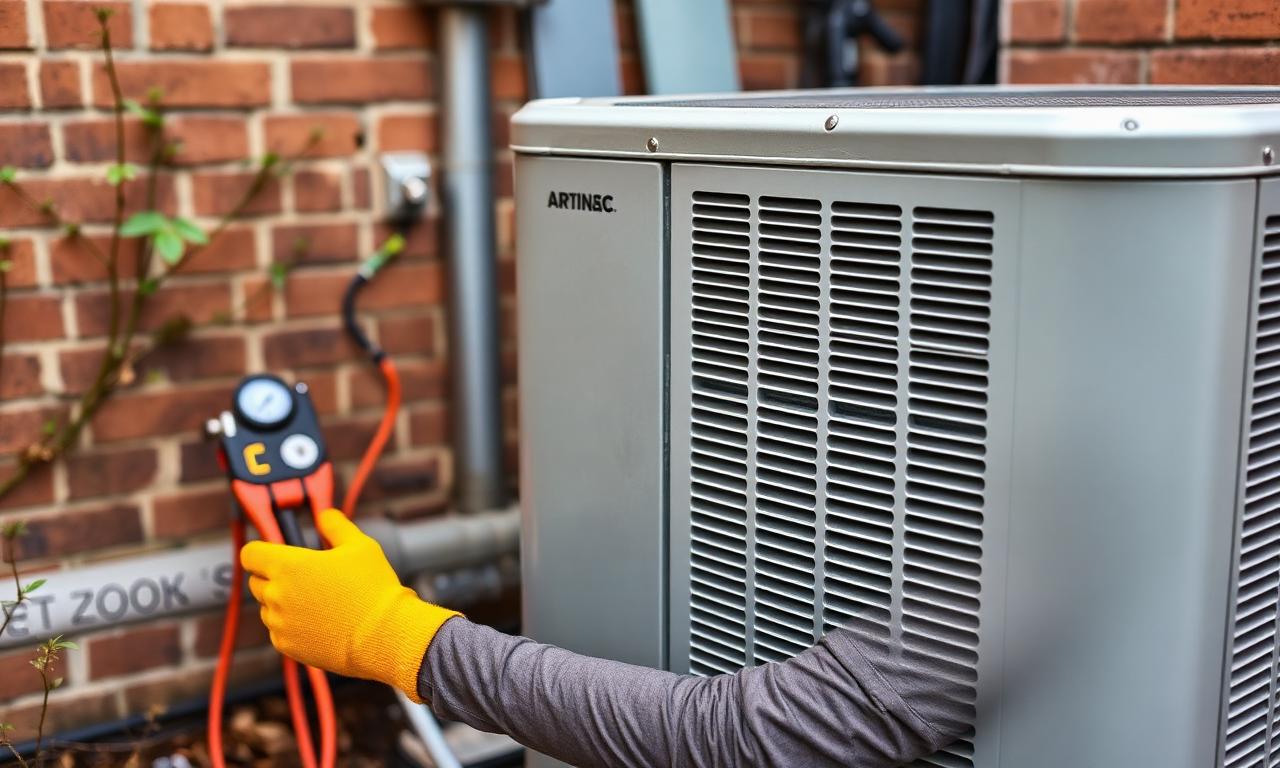
Maintaining a climate-controlled home in the United Kingdom has transitioned from a luxury to a necessity as summer temperatures regularly breach 30°C. However, the longevity and efficiency of these systems depend entirely on a professional air conditioning service. Whether you have a single-split system in a bedroom or a multi-split configuration serving the whole house, regular maintenance ensures the unit operates at peak energy efficiency, prevents costly component failures, and upholds the manufacturer’s warranty. In the UK, this is not merely a matter of performance; it is a legal requirement under specific conditions involving refrigerant handling and environmental protection.
A standard domestic service involves more than just cleaning filters. A qualified engineer will inspect the electrical connections, test the integrity of the heat exchanger, and verify that the refrigerant levels are optimal. For homeowners using brands like Mitsubishi Electric or Daikin, following a strict service schedule is often a prerequisite for the extended 5 to 7-year warranties these manufacturers provide. Neglecting the system can lead to a 5% to 15% drop in efficiency annually, significantly increasing electricity bills during peak cooling or heating months. By understanding what a service entails, you can protect your investment and ensure your home remains a sanctuary regardless of the weather outside.
As we look toward 2026, the emphasis on F-Gas compliance and the transition to lower Global Warming Potential (GWP) refrigerants like R32 means that homeowner awareness is vital. This guide provides a deep dive into the technical requirements, legal frameworks, and realistic costs associated with professional HVAC maintenance in the current UK market. From checking condensate pumps to verifying ampere draws, we detail every step a competent engineer should take during a site visit.
- Annual servicing is vital to maintain manufacturer warranties, which often last 5-7 years for brands like Daikin.
- UK law requires F-Gas certified engineers for any maintenance involving the refrigerant circuit or leak checking.
- A professional service in 2026 typically costs between £120 and £180 per single-split indoor unit.
- Regular maintenance can prevent a 5% to 15% annual drop in energy efficiency, keeping UK electricity bills lower.
- Deep cleaning of the evaporator coil and condensate tray is essential to prevent mold growth and musty odors.
- Homeowners should clean their own dust filters every 1-3 months to complement professional annual visits.
Understanding the Scope of a Professional Service
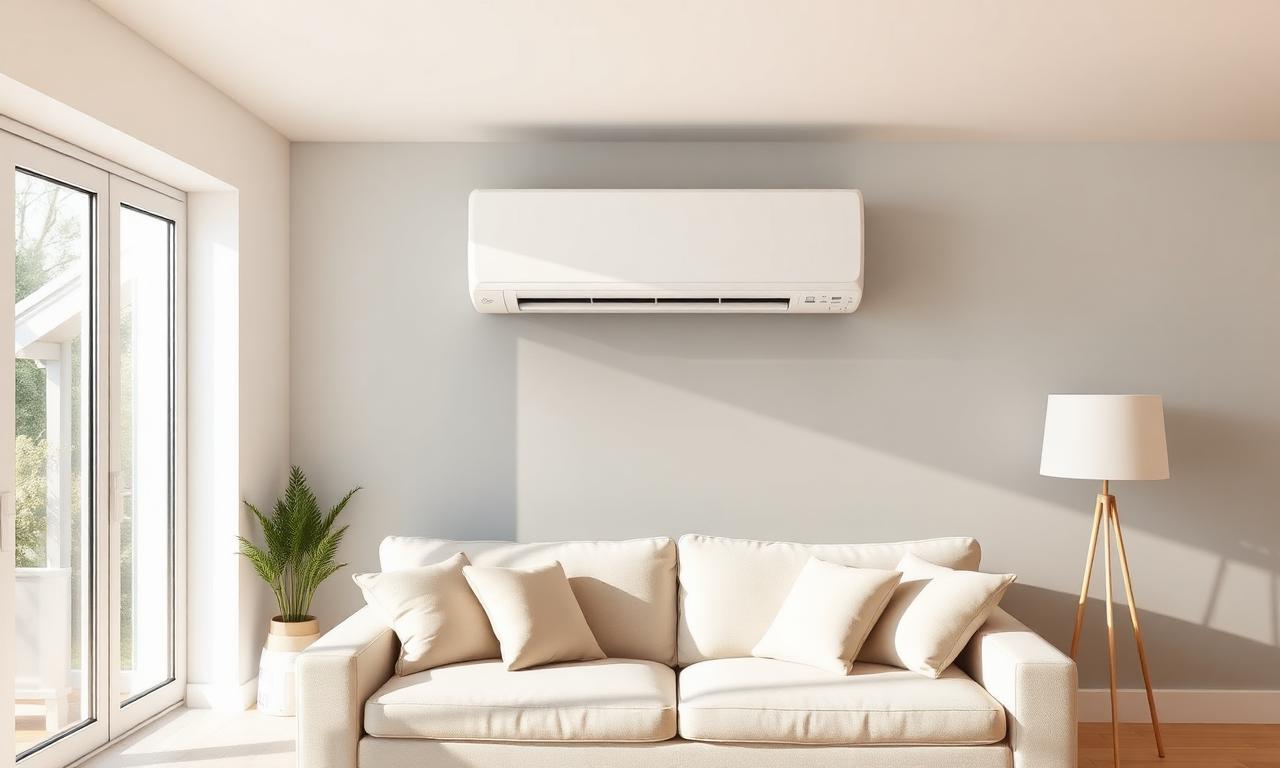
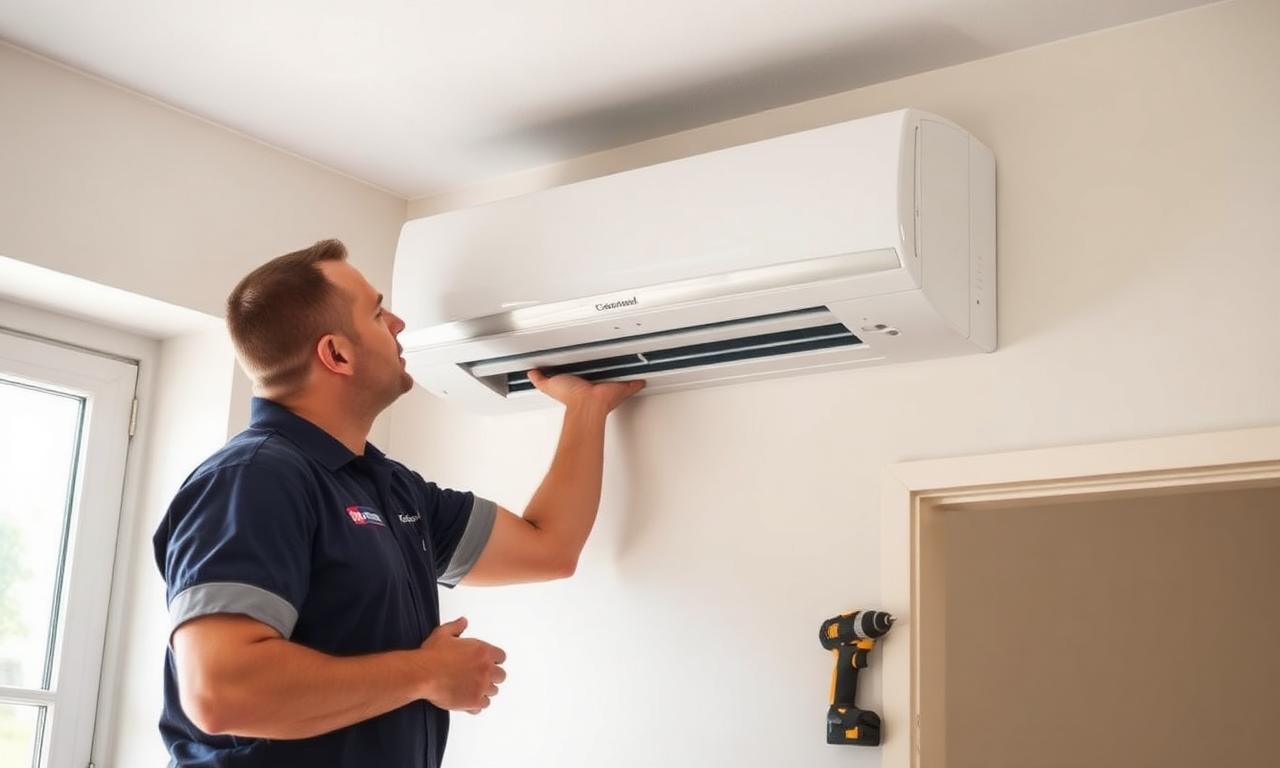
When you book a professional air conditioning service in the UK, the engineer is primarily looking for three things: mechanical integrity, electrical safety, and refrigerant efficiency. A residential split system consists of an indoor evaporator and an outdoor condenser. The indoor unit’s filters collect dust, skin cells, and pet dander, which eventually restrict airflow. A professional will chemically clean these filters and the evaporator coil itself using specialized alkaline or tri-enzyme cleaners. This is critical because a blocked coil forces the fan motor to work harder, consuming more wattage for the same cooling output. For instance, a 2.5kW unit might usually draw around 600-800 watts, but with dirty coils, this can spike by 20%.
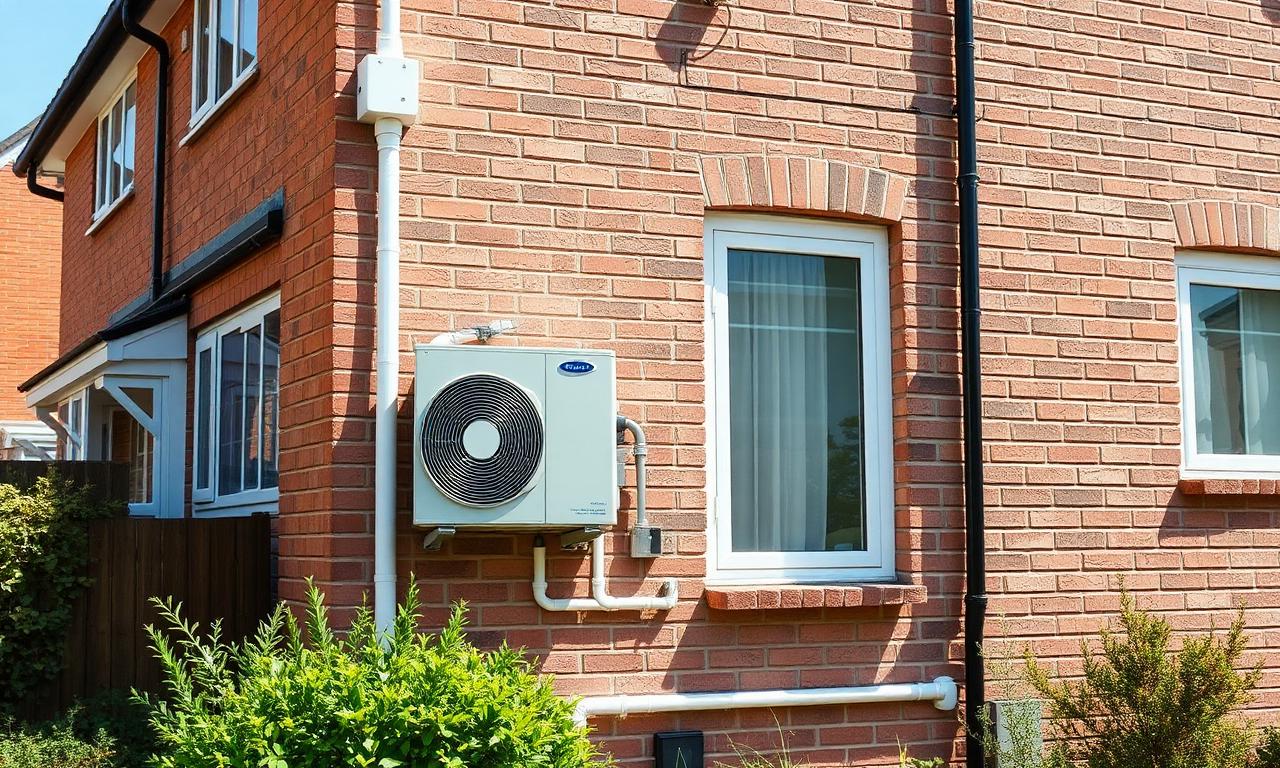
The outdoor unit is equally important. Located outside, the condenser coil often becomes clogged with seeds, leaves, and urban grime. An engineer will use a low-pressure wash or a fin comb to clear these obstructions. They will also check the fan blade for balance and the motor for bearing wear. In the UK’s damp climate, the outdoor unit is also susceptible to rust and debris accumulation at the base, which can block the drainage holes. A thorough service ensures that the airflow through the condenser is unimpeded, allowing the refrigerant to shed heat effectively even during a humid British heatwave.
Beyond cleaning, the technician performs an internal diagnostic. This involves checking the 'flare' connections where the copper piping meets the units. These are the most common points for micro-leaks. They will also inspect the condensate drainage system. In the UK, many indoor units use a small condensate pump to lift water away to a drain. These pumps have a limited lifespan and are a frequent point of failure; a service includes testing the float switch and clearing the plastic tubing of biofilm or 'slime' that can cause blockages and subsequent water damage to your wallpaper or flooring.
Finally, the engineer will check the electrical terminals. Loose connections are a fire hazard and can cause intermittent communication errors between the indoor and outdoor motherboards. By tightening the terminals and checking the fuse ratings at the rotary isolator, the technician ensures the system complies with basic safety standards. This holistic approach distinguishes a professional service from a simple 'DIY' filter wash, providing the homeowner with a comprehensive report on the system's health and any remedial actions required.
Typical UK Service Costs for 2026
Budgeting for air conditioning maintenance requires an understanding of the current UK labor market and the specific type of system you own. For 2026, a standard single-split wall-mounted unit service typically ranges between £120 and £180 for a one-off visit. This price usually covers the first hour of labor and the necessary cleaning chemicals. If you have a multi-split system, where one outdoor unit supports three indoor units, the cost increases. Expect to pay between £220 and £350 for a multi-split service, as each indoor head requires individual cleaning, filter treatment, and drainage testing.
Geography plays a significant role in pricing. Homeowners in London and the South East should expect to pay a 15% to 25% premium due to higher overheads and congestion charges. In northern cities like Manchester, Leeds, or Newcastle, prices remain closer to the lower end of the spectrum. It is also worth noting that many UK HVAC firms offer 'Preventative Maintenance Agreements' (PMAs). Signing up for an annual contract often reduces the per-visit cost to around £100-£130 per year, with the added benefit of priority call-outs should the system fail during a mid-summer peak.
Replacement parts are rarely included in a standard service fee. For example, if a condensate pump has failed, a replacement typically costs between £70 and £120 for the part, plus additional labor. If the system is low on refrigerant, this serves as a red flag. Modern R32 refrigerant is sold by weight, and while the gas itself is relatively affordable, the labor involved in finding a leak, repairing it, vacuuming the system, and recharging it can easily reach £400 to £600. This highlights why regular servicing is cost-effective: it identifies micro-leaks before they lead to a total loss of refrigerant.
When comparing quotes, ensure the price includes a VAT breakdown. Most residential quotes are inclusive of VAT at 20%, but it is always worth verifying. Furthermore, be wary of 'prices starting from £50' advertisements. These often cover only a visual inspection and do not involve the deep chemical cleaning or pressure testing required for a genuine F-Gas compliant service. A reputable provider will provide a digital service sheet detailing the temperatures, pressures, and ampere draws recorded during the visit.
F-Gas Regulations and Legal Compliance
In the UK, the handling of fluorinated greenhouse gases (F-gases) is strictly governed by the F-Gas Regulation (EC) 517/2014, which remains part of UK law post-Brexit. This regulation dictates that any work involving the refrigerant circuit—including leak checks and gas charging—must be performed by a technician who holds a valid Category 1 F-Gas certificate, typically issued by bodies like REFCOM or F-Gas Register. As a homeowner, you have a legal responsibility to ensure that anyone working on your air conditioning system is properly certified. Hiring an uncertified 'handyman' to top up your gas is not only illegal but also risks damaging the system beyond repair.
For most domestic systems, which usually hold between 0.7kg and 2.5kg of R32 refrigerant, a mandatory annual leak check is not legally required by the F-Gas regulation unless the system exceeds 5 tonnes of CO2 equivalent. However, for larger residential VRF systems or older R410A units, the CO2 equivalent might be higher, necessitating an official logged leak check. Even if your small bedroom unit doesn't meet the legal threshold for mandatory logging, the principles of the F-Gas regulation still apply: you must prevent leaks. If a technician finds a leak during a service, they are legally forbidden from adding more gas until the leak has been permanently repaired.
Part P of the Building Regulations also intersects with air conditioning servicing, specifically regarding the electrical supply. If the service reveals that the dedicated circuit or the rotary isolator is faulty, the repair must be conducted by someone competent in electrical work. Significant electrical alterations, such as installing a new supply for a replacement unit, are 'notifiable' works in England and Wales. When choosing a service provider, checking their F-Gas registration number is the first step in ensuring your home remains compliant with UK environmental and safety laws.
Furthermore, the transition away from R410A to R32 has changed how services are conducted. R32 is classified as 'mildly flammable' (A2L), meaning technicians must use spark-proof vacuum pumps and recovery units. A professional service ensures that all components, including the electronic expansion valves and sensors, are functioning to keep the refrigerant within its safe operating parameters. By adhering to these regulations, you contribute to the UK’s net-zero goals while ensuring your cooling equipment remains safe for your family.
Sizing and Efficiency: The Role of a Service
A common issue discovered during an air conditioning service is 'short-cycling,' where the unit turns on and off too frequently. Often, this is caused by a dirty thermistor or a blocked return air path, but it can also indicate that the unit was incorrectly sized for the room. In the UK, a typical 12-square-meter bedroom requires a 2.0kW or 2.5kW unit (approximately 7,000 to 9,000 BTU). If the unit is oversized, it cools the room so fast that it never dehumidifies; if undersized, it runs constantly, skyrocketing your electricity bill. A service technician can calibrate the sensors to ensure the inverter technology is modulating correctly.
The efficiency of modern units from brands like Panasonic or Samsung is measured by the SEER (Seasonal Energy Efficiency Ratio) and SCOP (Seasonal Coefficient of Performance). A high-end unit might have a SEER of 8.5, meaning it provides 8.5 units of cooling for every 1 unit of electricity. However, a system that hasn't been serviced for two years could see its SEER rating drop to 6.0 due to coil friction and thermal resistance. During a service, the engineer measures the 'Delta T'—the temperature difference between the air entering the unit and the air leaving it. For a healthy system in cooling mode, this should be between 10°C and 15°C.
Another efficiency factor is the refrigerant charge. Unlike a car, which might lose gas through rubber hoses, a domestic AC system is a hermetically sealed copper circuit. It should never need 'topping up' under normal conditions. If the charge is low, the compressor has to work harder and run hotter, which significantly shortens its lifespan. By checking the suction and discharge pressures, a technician ensures the compressor is operating within its design envelope. In the UK, where electricity prices remain relatively high (averaging 24p to 30p per kWh in recent years), maintaining a high SCOP through regular servicing can save a household £50 to £100 per year in running costs.
Finally, the service includes a check of the insulation on the copper pipework. Over time, the black pipe insulation (Armaflex) can degrade due to UV exposure on the exterior of the house. If the insulation is brittle or missing, the 'coolth' is lost to the outside air before it reaches your room. Re-taping or replacing small sections of insulation is a standard part of a high-quality service, ensuring that every watt of power you pay for is converted into comfort inside your home.
The Importance of Indoor Air Quality and Hygiene
The indoor unit of an air conditioner is an ideal breeding ground for biological contaminants. Because the evaporator coil gets cold, it pulls moisture out of the air. This water sits in a collection tray (the condensate pan) before being drained away. In the humid UK climate, if the unit isn't serviced, this tray can become a host for mold, fungi, and bacteria like Legionella or Staphylococcus. This often manifests as a 'sock-like' or musty smell when the unit starts up. A professional air conditioning service involves treating the coil and tray with a specialized antimicrobial spray to kill these pathogens.
Modern units from LG and Samsung often include advanced filtration systems, such as Ionizers or HEPA filters, designed to capture microscopic pollutants. During a service, these filters are inspected. While standard dust filters can be washed, PM2.5 or carbon filters usually need replacing every 12 to 24 months. A technician will advise on the state of these filters, ensuring that the air circulating in your bedroom or home office is cleaner than the air outside. This is particularly beneficial for hay fever sufferers in the UK, as the AC system acts as a giant air purifier, removing pollen from the indoor environment.
Furthermore, a clean system prevents the spread of 'Sick Building Syndrome' symptoms like dry eyes, itchy throats, or headaches. When the fins on the evaporator coil are clogged with biofilm, the air must force its way through, often picking up and distributing spores throughout the room. By deep-cleaning the barrel fan—the cylindrical blade that moves the air—the technician removes the heavy build-up of dust that often cakes onto the blades. A clean fan moves more air with less noise, contributing to a quieter and healthier indoor environment.
For households with pets, the frequency of service might need to increase. Pet hair is particularly effective at matting across the face of the evaporator coil, creating a blanket that prevents heat exchange. An engineer will use a soft brush and specialized foam cleaner to penetrate these layers. By the end of the service, the unit should not only smell fresh but also be physically incapable of harboring the damp-related growth that characterizes neglected HVAC systems.
Common Mistakes and How to Choose a Contractor
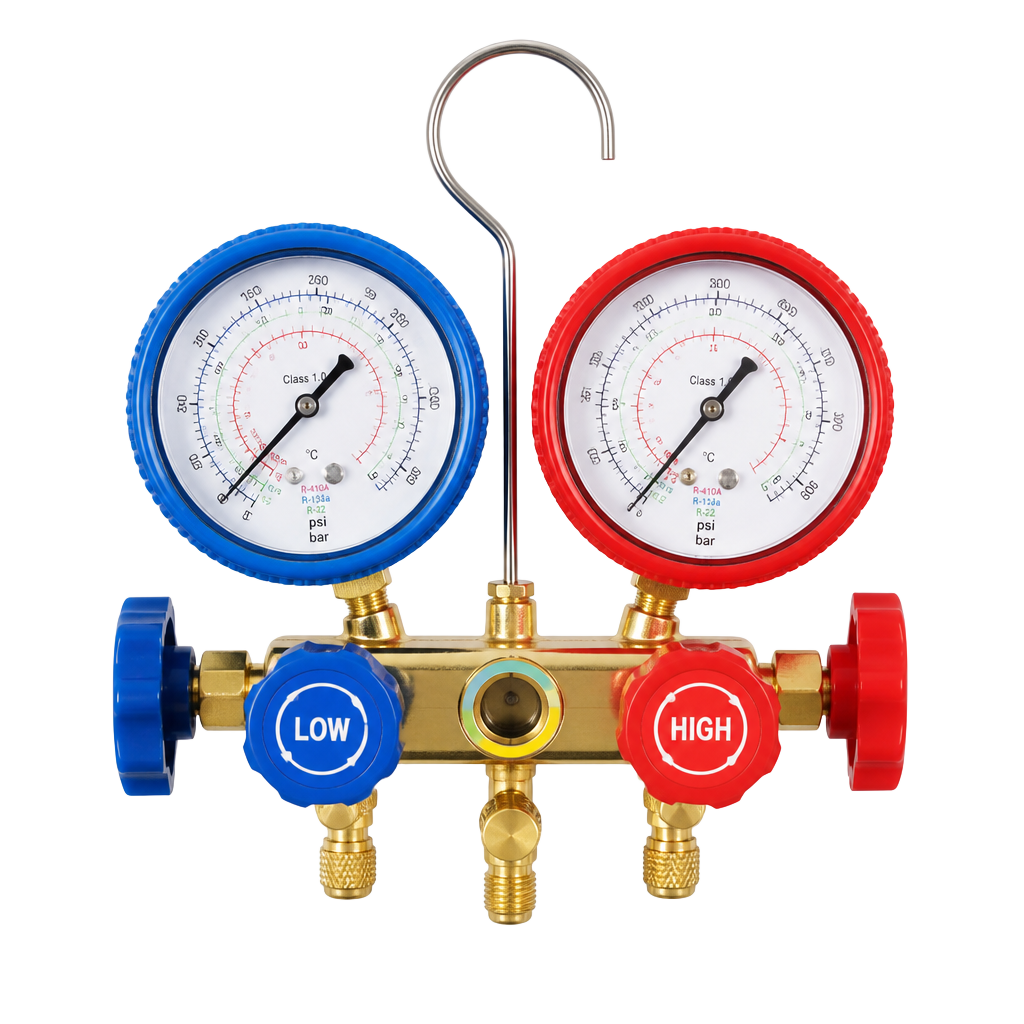
One of the most frequent mistakes UK homeowners make is waiting for the unit to fail before calling a technician. 'Breakdown' calls are significantly more expensive than 'service' calls. A breakdown often involves a diagnostic fee of £100+ just to identify a part that could have been saved by a £120 service. Another mistake is using a general builder or plumber for AC maintenance. While they may be skilled in their own fields, they rarely have the F-Gas certification or the specific diagnostic tools like digital manifolds and micron gauges required for modern inverter air conditioning systems.
When choosing a contractor, the first step is to verify their credentials on the REFCOM or Quidos F-Gas portals. Legally, the company must be registered, and the individual engineer should carry a F-Gas card. Secondly, check for affiliations with manufacturers. A 'Daikin Altherma' or 'Mitsubishi Electric Business Solutions Partner' has undergone specific training on those brands and will have better access to proprietary error codes and genuine spare parts. Check online reviews specifically for 'maintenance' or 'servicing' rather than just 'installs,' as the skillset for maintaining an old system is slightly different from fitting a new one.
Ask for a detailed scope of work before they arrive. A reputable company will be happy to provide a checklist of what they cover. If they don't mention checking the 'condensate pump' or 'amp draws,' they may be cutting corners. Additionally, ensure they are insured. Public liability insurance of at least £2 million is standard for residential HVAC work in the UK. This protects you in the unlikely event that a technician accidentally damages your property or causes a leak that results in water damage.
Finally, avoid the 'summer rush.' Most UK HVAC companies are overwhelmed in June, July, and August. Trying to book a service during a heatwave will lead to longer wait times and potentially higher 'emergency' rates. The best time to book an air conditioning service is in the spring (March-April) or autumn (October-November). During these shoulder seasons, engineers have more time to be thorough, and you are more likely to find a slot that fits your schedule, ensuring your system is ready for when the weather truly turns.
Maintenance Timeline and DIY Habits
While major inspections must be left to F-Gas certified professionals, there are several tasks a UK homeowner can perform to keep their system running smoothly between annual services. The most important is cleaning the plastic dust filters every 1-3 months. These are usually located under the front flap of the indoor unit and can be easily popped out and rinsed under a tap. Ensure they are completely dry before putting them back. In the UK, this simple habit can reduce the strain on your system and maintain the quality of the air you breathe.
Outside, you should ensure the condenser unit remains clear of garden debris. In the autumn, fallen leaves can pile up against the unit, and in the spring, dandelion seeds can clog the fins. Using a soft broom to clear the area around the unit is a simple but effective task. However, never attempt to open the casing of either the indoor or outdoor unit, and do not use a high-pressure jet wash on the delicate aluminum fins, as this can bend them and permanently restrict airflow. If you notice any ice forming on the copper pipes or the indoor coil, turn the system off immediately and call a professional; this is a sign of either a severe airflow restriction or a refrigerant leak.
A typical maintenance timeline for a UK home should look like this: Every 2 months, check and wash indoor filters. Every 6 months, clear debris from around the outdoor unit. Once every 12 months, book a professional air conditioning service. If the unit is used in a high-traffic area, like a hair salon or a home gym, professional servicing should be increased to every 6 months. By following this schedule, you maximize the 15-to-20-year lifespan of a high-quality unit from Mitsubishi or Daikin.
Lastly, pay attention to how you use the system. Setting a bedroom AC to 16°C when it is 30°C outside creates immense thermal stress. In the UK, setting the thermostat to 21°C or 22°C is usually sufficient for comfort and significantly reduces the wear on the compressor. During a service, an engineer can often show you how to use the 'Eco' or 'Inverter' modes more effectively, ensuring that your DIY habits complement their professional maintenance efforts.
Summary of Running Costs and Component Lifespans
The running costs of an air conditioner in the UK are directly tied to how well it is serviced. For 2026, with an average electricity price of 28p per kWh, a well-maintained 2.5kW unit (drawing roughly 0.6kW) costs about 17p per hour to run at full load. If the system is neglected and the efficiency drops, this could rise to 22p per hour. Over a hot summer where the unit runs for 8 hours a day, that inefficiency adds an extra £12 to your monthly bill. A professional service pays for itself simply by maintaining the intended energy rating of the machine.
Understanding component lifespans helps in long-term financial planning. A high-quality compressor, the 'heart' of the system, should last 15 years if the refrigerant remains clean and the pressures are correct. However, if the system is never serviced and runs with a minor leak, the compressor will overheat and likely fail within 7-10 years. Replacing a compressor is often so expensive (£600-£900 plus labor) that it usually makes more financial sense to replace the entire outdoor unit. Similarly, the PCB (Printed Circuit Board) can be damaged by insects or moisture if the casing isn't properly sealed during a service—a replacement PCB can cost between £200 and £400.
Condensate pumps are the most frequent 'wear' item in UK installations. They typically last 3 to 5 years. A technician will usually test the pump's reservoir for sludge during a service; cleaning this can extend the pump's life by preventing the motor from burning out. The fans, both indoor and outdoor, are designed for long-term use, but bearing failure can occur if the fans become heavily unbalanced by thick layers of dust. A service ensures the internal balance is maintained, preventing the annoying rattles and whirring sounds that can develop over time.
In conclusion, an air conditioning service is a preventative investment. By spending approximately £150 a year, you are protecting a system that likely cost between £1,500 and £2,500 to install. You ensure legal compliance with UK F-Gas laws, maintain your manufacturer's warranty, keep your electricity bills as low as possible, and most importantly, ensure that when the next UK heatwave arrives, your home remains a cool, comfortable environment for your family.
Frequently asked questions
How often should I service my home air conditioning in the UK?+
For most UK residential settings, an annual service is sufficient. However, if your system is your primary heat source in winter (using the heat pump mode) or if you have pets that shed hair, a bi-annual service is recommended to maintain efficiency and air quality.
Can I perform an air conditioning service myself?+
You can clean the plastic dust filters and clear external debris. However, anything involving the refrigerant circuit, internal electrical components, or deep chemical coil cleaning must be done by a F-Gas certified professional to ensure safety, legality, and warranty validity.
What is the typical cost for a single-room AC service in 2026?+
Expect to pay between £120 and £180 for a single-split wall-mounted unit. This includes labor and cleaning materials. Large cities like London may see prices at the higher end, while multi-unit systems will naturally incur higher costs based on the number of indoor heads.
Why is my air conditioner blowing air but not cooling?+
This is often due to a refrigerant leak, a failed capacitor, or a heavily clogged outdoor condenser. A professional service will diagnose the specific cause, measure the gas pressures, and check the compressor's health to restore cooling performance.
Will a service fix a smelly air conditioning unit?+
Yes. Musty smells are usually caused by mold or bacteria growth in the condensate tray and on the evaporator coil. A professional service includes an antimicrobial treatment that kills these spores and flushes the drainage system to eliminate odors.
Is a F-Gas certificate really necessary for a residential service?+
Absolutely. It is a legal requirement in the UK for anyone handling refrigerants. Using an uncertified person can lead to fines, system damage, and the voiding of your home insurance if a fire or leak occurs due to improper maintenance.
How long does a standard service visit take?+
A standard service for a single-split system usually takes between 60 and 90 minutes. This allows the engineer enough time to clean the coils, test the drainage, check electrical connections, and record the system's operational data.