Air Conditioning in the Bedroom: UK Installation Guide
A professional guide to installing bedroom air conditioning in the UK, covering 2026 pricing, F-Gas regulations, and how to choose the quietest systems for domestic sleep environments.
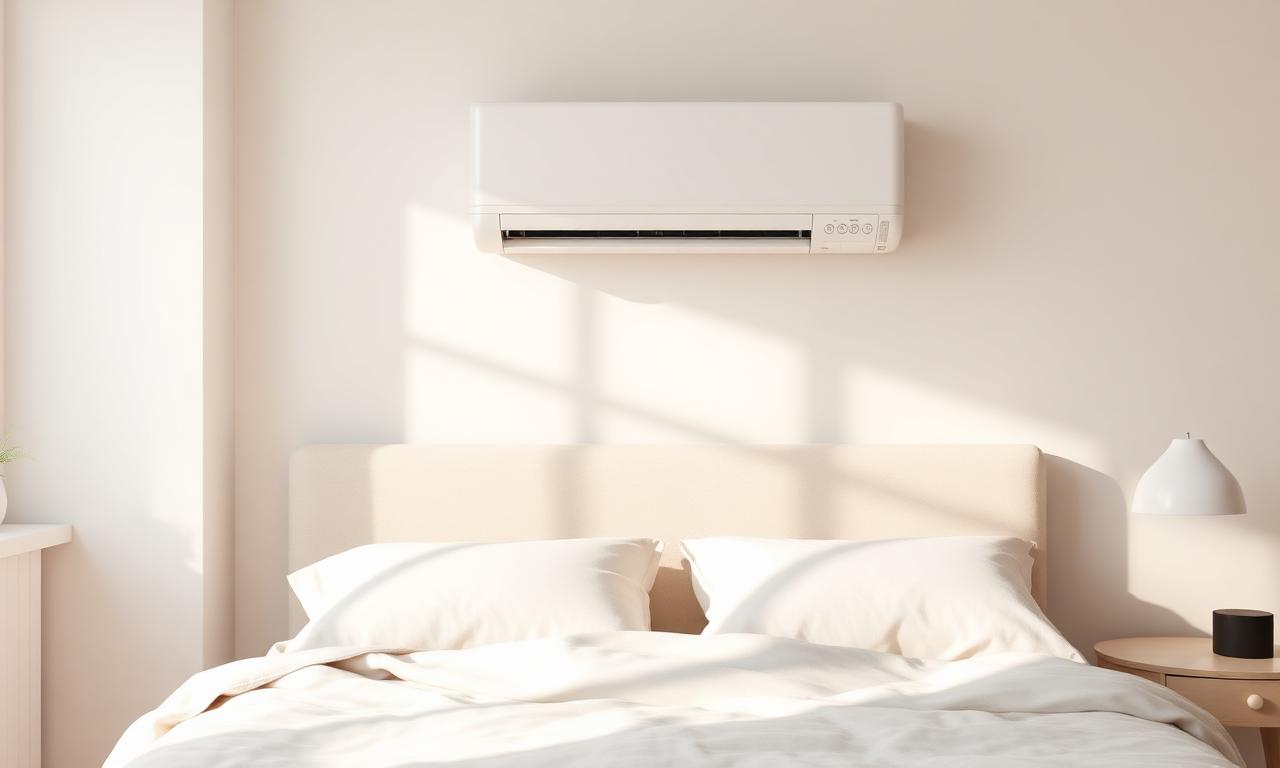
Installing aircon in the bedroom has transitioned from a high-end luxury to a practical necessity for many UK homeowners. As British summers become increasingly unpredictable with prolonged periods of high humidity and record-breaking temperatures, the traditional solution of a pedestal fan often falls short. These fans merely circulate warm air, whereas a dedicated air conditioning system removes heat and moisture, creating a controlled environment conducive to deep, restorative sleep. For many, the decision to install a permanent solution is driven by the 'urban heat island' effect in cities like London, Manchester, or Birmingham, where brickwork retains heat long into the night, making upper-floor bedrooms uncomfortably warm.
In the UK market, bedroom installations present unique challenges compared to commercial settings. Homeowners must balance thermal performance with acoustic comfort, aesthetics, and strict energy efficiency. With the UK's commitment to net-zero and the tightening of building regulations, modern systems now offer dual-purpose functionality, providing highly efficient air-to-air heating during the winter months alongside cooling in the summer. This guide provides a comprehensive breakdown of the technical, legal, and financial considerations for UK residents, ensuring that your investment is compliant with current legislation and delivers the performance required for the specific nuances of a British domestic property.
Navigating the world of HVAC can be daunting, particularly with the specific jargon of kilowatts, BTU ratings, and F-Gas certifications. However, understanding the fundamentals of how these systems integrate into a standard UK bedroom—whether it is a small box room or a large master suite—is essential for making an informed purchase. From identifying the correct cooling capacity to understanding the impact of Part P electrical regulations, this guide serves as a definitive roadmap for your bedroom climate control project.
- A 2.5kW (9,000 BTU) system is the ideal 'all-rounder' size for most standard UK double bedrooms.
- Expect to pay between £1,750 and £2,500 for a professional 2026 installation of a reputable brand.
- Ensure your installer is F-Gas certified to comply with UK environmental law and protect your warranty.
- Modern bedroom units operate at 19-22dB, making them quieter than a standard domestic pedestal fan.
- Place the indoor unit on a side wall rather than directly over the bed for maximum comfort.
- Annual maintenance is essential for efficiency and usually costs between £100 and £150 in the UK.
- Air-to-air heat pumps provide highly efficient heating in winter, offering year-round value beyond summer cooling.
The Core Components of Bedroom Cooling Systems
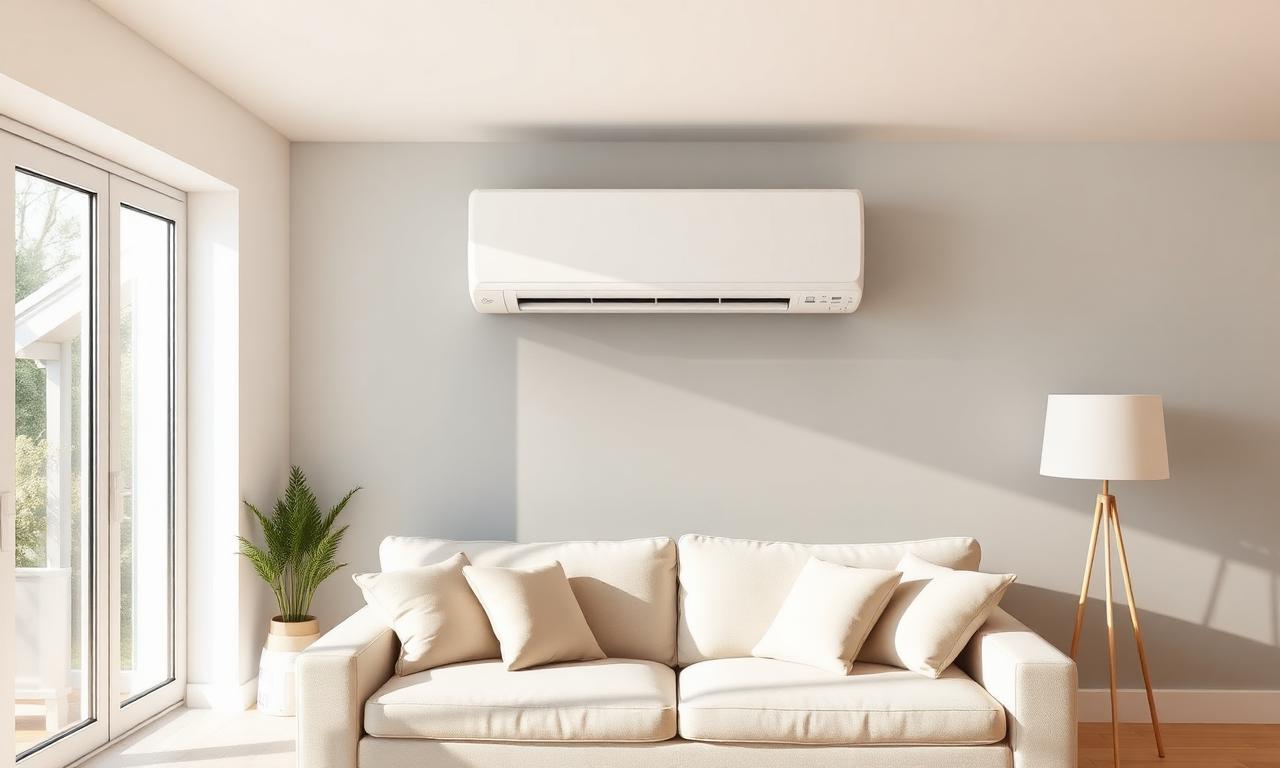
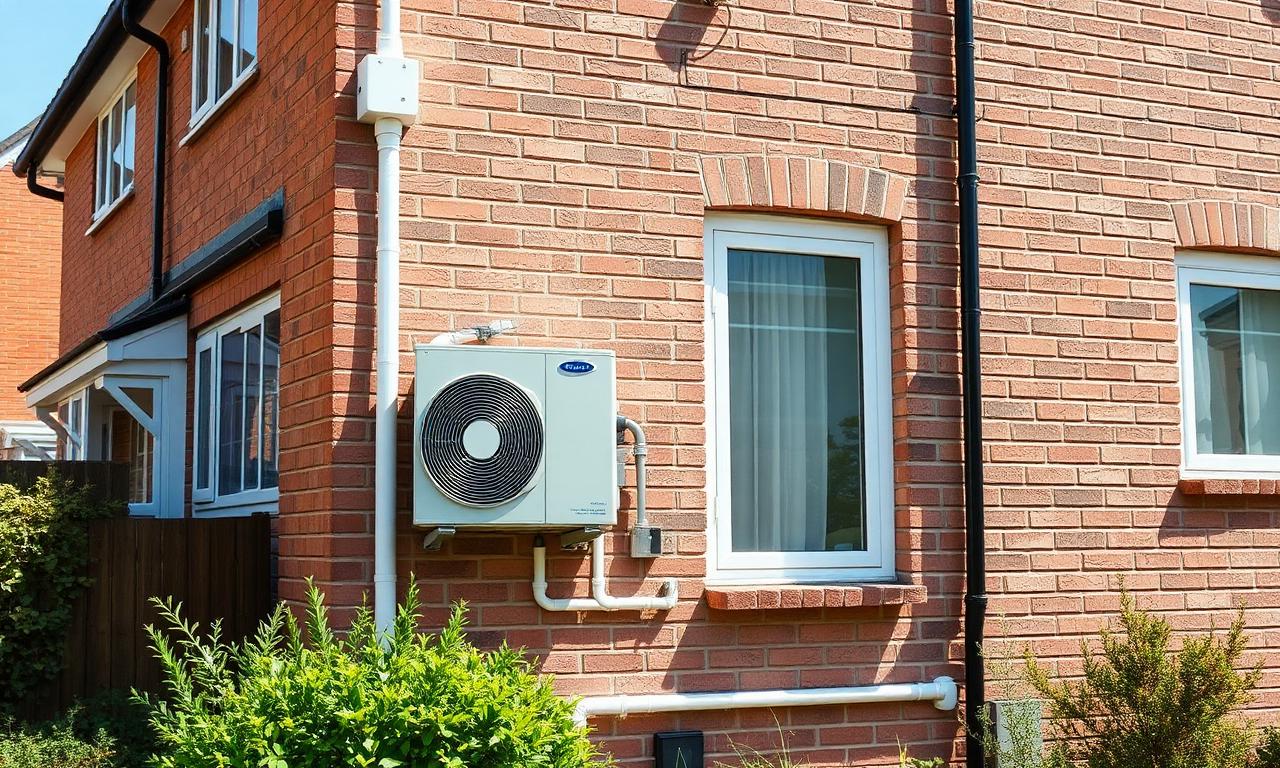
When considering air conditioning for a UK bedroom, the most common and effective solution is the wall-mounted high-level split system. This setup consists of two primary units: an internal evaporator mounted on the bedroom wall and an external condenser located on an outside wall or ground-level slab. These units are connected by copper refrigerant pipework, a condensate drainage line, and electrical interconnecting cables. Unlike portable units, which are often noisy and require a bulky plastic hose to be vented through an open window, a split system is permanent, sealed, and significantly more efficient. The internal unit is where the cooling happens, but the majority of the mechanical noise remains outside in the condenser, which is a critical factor for bedroom installations where sleep quality is the priority.
Modern systems from reputable manufacturers like Daikin and Mitsubishi Electric are designed with 'whisper quiet' modes, typically operating at sound levels as low as 19 dB(A). To put this into perspective, a quiet library is usually around 30 dB(A), meaning these units are virtually indistinguishable from background noise once you are asleep. The internal unit features a heat exchanger and a fan that draws in warm room air, passes it over cold coils, and redistributes it at the desired temperature. Meanwhile, the moisture in the air condenses on the cold coils and is safely drained away, which significantly reduces the 'muggy' feeling common in UK bedrooms during July and August.
Alternative configurations include multi-split systems, where a single, larger outdoor condenser can power indoor units in multiple bedrooms. This is particularly popular in semi-detached or detached UK homes where three or four bedrooms require cooling simultaneously. However, for a single bedroom, a 1-to-1 split system is the standard. You may also encounter 'low-loss' or 'easy-fit' systems, but for a permanent bedroom fixture, professional-grade equipment is always recommended to ensure longevity and compliance with F-Gas Regulation (EC) 517/2014, which governs the handling of fluorinated greenhouse gases used as refrigerants in these systems.
Calculating the Correct Capacity: kW and BTU Ratings
One of the most frequent mistakes UK homeowners make is choosing an indoor unit that is either underpowered or excessively large for the room size. In the UK, cooling capacity is measured in kilowatts (kW) or British Thermal Units (BTU). As a general rule of thumb, 1kW of cooling power is equivalent to approximately 3,412 BTU. For a standard UK 'box room' or small double bedroom (roughly 10 to 12 square metres), a 2.0kW (7,000 BTU) unit is usually sufficient. For a medium to large master bedroom (15 to 25 square metres), a 2.5kW (9,000 BTU) or 3.5kW (12,000 BTU) system is the industry standard. It is rare to require anything larger than 3.5kW for a domestic bedroom unless the room has exceptional circumstances.
These exceptional circumstances include south-facing windows with significant solar gain, high ceilings, or poor loft insulation. If your bedroom is in a converted attic (a common UK 'loft conversion'), it will naturally be the warmest room in the house due to rising heat and direct sun exposure on the roof tiles. In such cases, stepping up to a 3.5kW unit is advisable even if the floor area is modest. An undersized unit will run at maximum capacity constantly, failing to reach the target temperature and resulting in higher electricity bills and premature wear on the compressor. Conversely, an oversized unit will 'short cycle,' turning on and off rapidly, which prevents the system from effectively dehumidifying the room.
When a qualified engineer visits for a site survey, they will perform a heat load calculation. This takes into account the volume of the room, the construction materials (e.g., solid brick vs. cavity wall), the glazing type (single, double, or triple), and the number of occupants. They will also consider 'internal gains' from electronics like televisions or PCs. For most UK bedrooms, the 2.5kW Mitsubishi Electric Zen or Daikin Emura models are the gold standard, offering a balance of aesthetic appeal and high-performance cooling that matches the typical thermal profile of British housing stock.
UK Installation Costs and Price Ranges for 2026
As we look toward 2026, air conditioning installation costs in the UK have stabilised but remain reflective of skilled labour and high-quality component prices. For a standard back-to-back installation—where the indoor unit is mounted on the same wall as the outdoor unit—homeowners should budget between £1,750 and £2,500 for a single bedroom. This price typically includes a high-quality 2.5kW unit from a brand like Samsung, LG, or Panasonic, the labour for a F-Gas certified engineer, and all necessary materials like brackets, trunking, and refrigerant pipework. Premium designer units, such as those with bespoke finishes or ultra-slim profiles, can push this cost closer to £2,800.
If the installation is more complex, such as running pipework through an attic, under floorboards, or across multiple rooms to reach a suitable outdoor location, the price will increase. These 'long-run' installations often require a condensate pump to move wastewater uphill or over a distance, adding roughly £150 to £250 to the total. For a multi-split system covering three bedrooms with a single outdoor unit, the investment typically ranges from £4,500 to £6,500, depending on the complexity of the internal pipe routing and the total kW capacity required. This often represents better value per room than installing three individual split systems, both in terms of labour and the visual impact on the exterior of the property.
It is vital to ensure your quote is comprehensive. A professional UK quote should clearly break down the equipment cost, the labour, and the VAT (currently 20% for most domestic cooling-only installations, though 5% may apply if the system is part of a heat pump installation for heating purposes under specific government schemes). Be wary of quotes significantly below £1,500 for a bedroom install; this often indicates either 'no-brand' equipment with poor parts availability or an installer who lacks the necessary F-Gas certification and insurance. Investing in a mid-tier to premium brand ensures you have access to a 5-to-7-year manufacturer warranty, providing peace of mind for what is a significant home improvement.
Understanding the Installation Process and Timeline
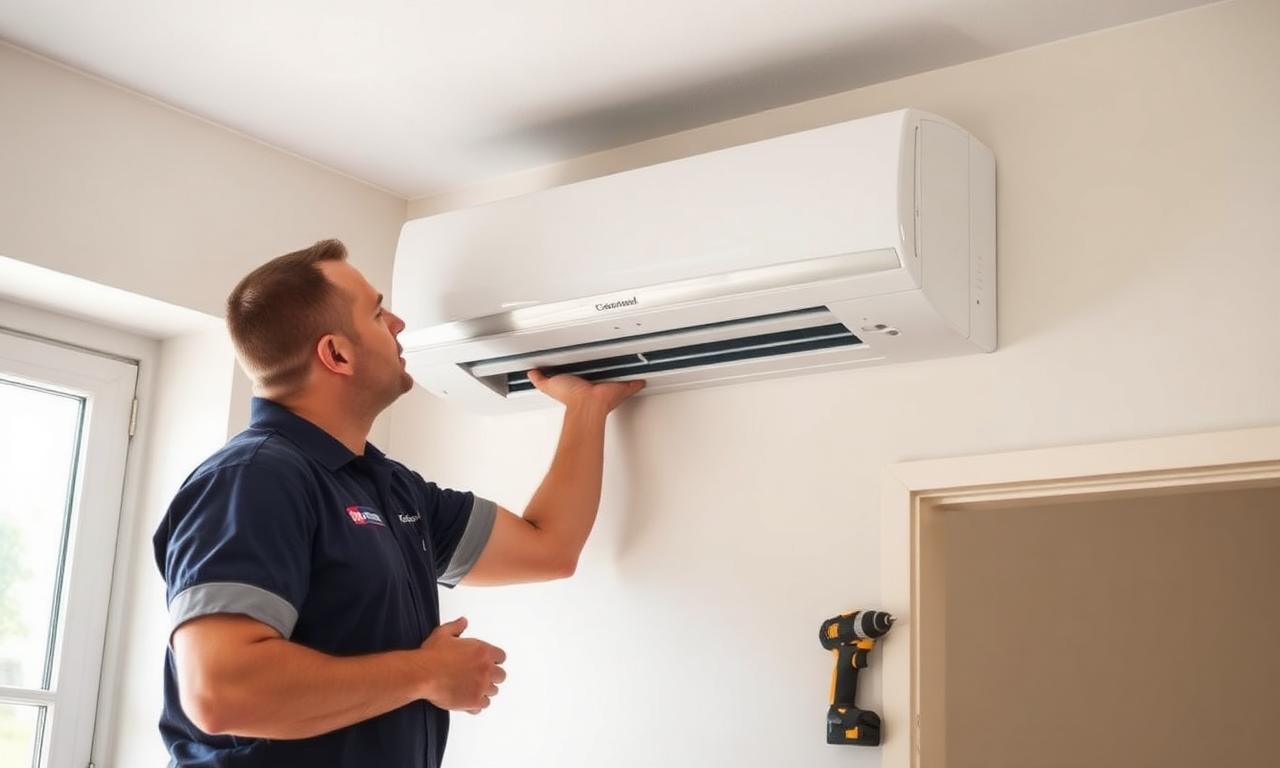
Under normal conditions, a single bedroom air conditioning installation is a relatively non-disruptive process that can be completed in a single working day, typically taking between 4 and 6 hours. The process begins with the installation of the indoor unit mounting plate. The engineer will then use a core drill to create a 65mm or 75mm hole through the external wall. This hole is used to pass the refrigerant pipes, electrical cables, and the drainage hose through to the exterior. In modern UK homes, particularly those with rendered finishes, professional installers will use internal and external cowls to ensure the finish is neat and weatherproof.
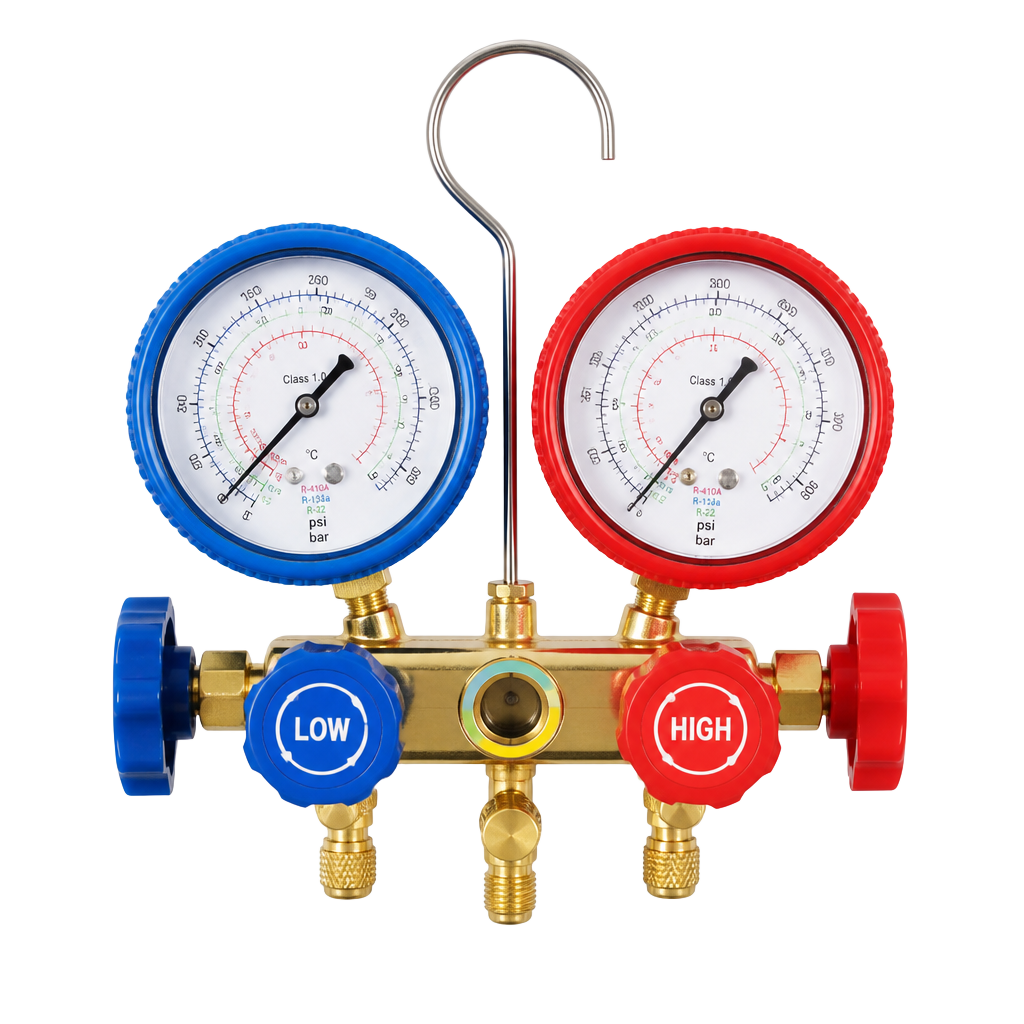
Once the indoor unit is mounted, the engineer moves outside to install the condenser. This can be placed on the ground using 'big foot' rubber mounting blocks to vibration-dampen the unit, or it can be mounted on steel brackets fixed to the wall. The latter is common in UK terraced or semi-detached homes to save garden space. The pipework is then connected and, most importantly, the system is subjected to a pressure test using oxygen-free nitrogen (OFN). This ensures there are no leaks in the circuit. Following a successful pressure test, a vacuum pump is used to remove all air and moisture from the lines—a process known as evacuation—before the refrigerant is released into the system.
Finally, the electrical connections are completed. For many UK bedroom installs, the unit can be spurred off an existing ring main if the load permits, but larger systems may require a new dedicated circuit from the consumer unit to comply with Part P of the Building Regulations. Once powered up, the engineer will commission the system, testing all modes (cooling, heating, and fan) and checking the condensate drain is flowing correctly. They should provide you with a demonstration of the controls and a commissioning certificate, which is essential for your home records and any future property sale.
The Legal Framework: F-Gas and Part P Compliance
In the UK, air conditioning installation is strictly regulated to protect both the environment and the homeowner. The primary legislation is the F-Gas Regulation (EC) 517/2014, which remains part of UK law post-Brexit. This law mandates that any person installing, servicing, or repairing a system containing fluorinated greenhouse gases must hold a valid F-Gas certificate issued by an approved body like REFCOM or Quidos. It is a criminal offence for an unqualified individual to 'break' the refrigerant seal of a split system. When hiring an installer, you should always ask for their F-Gas company registration number. This ensures they have the correct equipment and training to handle refrigerants like R32, which is the current industry standard for domestic systems due to its lower Global Warming Potential (GWP) compared to older gases like R410A.
In addition to refrigerant laws, the electrical side of the installation must comply with Part P of the Building Regulations in England and Wales. Since the bathroom and kitchen are typical 'special locations,' bedrooms are generally straightforward, but the addition of a new high-draw electrical circuit requires a competent person to certify the work. Most professional HVAC installers either have a qualified electrician on their team or are 'competent persons' themselves, able to issue a Minor Works Certificate. This documentation is crucial; without it, you may face issues with your home insurance or during the conveyancing process if you decide to sell your home.
Furthermore, while most domestic air conditioning installations fall under 'Permitted Development' and do not require planning permission, there are exceptions. If you live in a Conservation Area, a Listed Building, or a flat where the outdoor unit might affect the building's appearance or your neighbours' amenity, you should consult your local planning authority. Generally, as long as the outdoor unit is not on a wall facing a highway and is kept below a certain size (usually 0.6 cubic metres), it is unlikely to require a formal application. However, always check your leasehold agreement if you reside in a managed block of flats, as external alterations often require the freeholder's consent.
Efficiency and Running Costs in the Modern UK Home
A common concern for UK homeowners is the impact of bedroom aircon on their monthly electricity bill. Fortunately, modern inverter technology has made these systems incredibly efficient. Unlike old-fashioned 'on/off' compressors, an inverter varies the speed of the motor to match the cooling demand exactly. This means that once your bedroom reaches the set temperature, the system scales back to a low-power state rather than shutting down. For a standard 2.5kW unit with an A++ or A+++ energy rating, the running cost during a typical summer night (8 hours of use) is surprisingly low. Based on 2024/2025 electricity price caps of approximately 24.5p per kWh, running a bedroom unit for a night might cost between 15p and 45p, depending on the outside temperature and your internal settings.
To maximise efficiency, it is recommended to set the bedroom temperature to 18°C or 19°C rather than 'cranking it down' to 16°C. The smaller the gap between the outside temperature and your indoor target, the less energy the system consumes. Additionally, because these systems are air-to-air heat pumps, they are remarkably efficient at heating. In the 'shoulder months' of October or March, using your aircon to take the chill off the bedroom for an hour before bed is often significantly cheaper than firing up the entire gas central heating system for the whole house. This dual-use capability makes the initial investment more justifiable as a year-round climate control solution.
Maintenance also plays a vital role in keeping running costs down. UK homeowners should clean the dust filters in their indoor unit every 3 to 6 months. Clogged filters restrict airflow, forcing the fan and compressor to work harder and increasing energy consumption. A professional annual service, costing between £100 and £150, is also recommended to check refrigerant levels, clean the outdoor coils, and ensure the condensate drain is clear of debris or algae. A well-maintained system will maintain its SEER (Seasonal Energy Efficiency Ratio) rating throughout its 15-to-20-year lifespan.
Selecting the Right Brand and Installer
Choosing the right equipment is as much about reliability as it is about features. In the UK market, five brands dominate the domestic sector: Daikin, Mitsubishi Electric, Panasonic, LG, and Samsung. Daikin and Mitsubishi Electric are often considered the 'tier one' options, prized for their exceptional build quality and the availability of spare parts. Their bedroom-specific models, such as the Mitsubishi Zen or Daikin Perfera, are designed with sleek aesthetics that fit modern British decor. Panasonic and LG offer excellent value for money with high-tech features like built-in Wi-Fi and air purification systems (such as Panasonic's Nanoe-X technology), which can be particularly beneficial for hayfever sufferers in the UK.
Finding a reputable installer is perhaps the most critical step in the process. Avoid using general multi-trade 'handymen' for air conditioning installation. Look for a specialist HVAC contractor who provides a clear, written quotation following a physical or video site survey. A reputable firm will be REFCOM or F-Gas certified and should be able to provide references or a portfolio of recent domestic installations. Many leading manufacturers have 'Approved Installer' schemes, which often allow the contractor to offer extended warranties of 5 to 7 years, whereas a non-approved installer might only be able to offer the standard 1-year parts warranty.
When evaluating installers, ask about their approach to 'containment' (how the pipes are hidden). A good installer will offer options such as decorative plastic trunking that can be painted to match your walls, or suggestions on how to route pipes through wardrobes or lofts to keep them out of sight. They should also be transparent about the electrical requirements and whether your current fuse board (consumer unit) is up to the task. Finally, check online review platforms and trade associations like checkatrade or TrustATrader, specifically looking for feedback regarding their cleanliness and punctuality during domestic installs, as bedroom work requires a high level of respect for the homeowner's personal space.
Common Bedroom Installation Mistakes to Avoid
One of the most frequent errors in UK bedroom aircon projects is poor placement of the indoor unit. Ideally, the unit should not be placed directly above the bed's headboard, as some people find the sensation of even a gentle breeze or the very faint mechanical hum directly overhead to be distracting. Instead, placing the unit on a side wall or opposite the bed allows for better air circulation and a more indirect, comfortable cooling effect. Furthermore, ensure the unit is not blocked by wardrobes or tall furniture, which can trap the cold air and fool the unit's thermostat into thinking the room has reached the target temperature prematurely.
Another mistake is neglecting the drainage aspect. Every air conditioning unit produces water through condensation. In most UK installs, this is gravity-fed to the outside. If the installer does not maintain a consistent downward slope in the pipework, water can back up and leak down your bedroom wall, damaging wallpaper or plaster. If a gravity drain is impossible (for example, if the unit is on an internal wall far from an outside exit), a condensate pump is required. However, these pumps have their own small motors which can occasionally trigger a clicking or buzzing sound. In a bedroom, you should always request a 'silent' or 'ultra-quiet' pump to avoid sleep disruption.
Finally, many homeowners forget to consider the 'winter' aspect of the condenser placement. If the outdoor unit is placed right outside a secondary bedroom window or near a neighbour's balcony, the vibration or air movement might be noticed during the quiet of night. Ensure the outdoor unit is mounted on high-quality vibration isolators and positioned where it has at least 200mm to 300mm of clearance for airflow. Avoiding these common pitfalls during the planning stage ensures that your bedroom air conditioning remains a source of comfort rather than a source of maintenance headaches or neighbour disputes.
Frequently asked questions
Is bedroom air conditioning noisy enough to wake me up?+
Modern split systems from brands like Daikin and Mitsubishi Electric operate at roughly 19-21 dB(A) in 'Quiet' or 'Sleep' mode. This is quieter than a whisper or a light rustle of leaves. As long as you avoid cheap portable units and choose a professional installation, the noise is generally negligible and often helps sleep by providing a very consistent, low-level white noise.
Do I need planning permission for aircon in a UK bedroom?+
Usually, no. Most domestic installations are considered 'Permitted Development.' However, if you live in a flat, a listed building, or a conservation area, you must check with your local council or freeholder. There are specific rules regarding the size and noise levels of the outdoor unit (condenser) to ensure it doesn't disturb neighbours.
How long is the warranty on a new bedroom aircon system?+
If you use a manufacturer-approved installer, you can typically expect a 5 to 7-year warranty on parts and sometimes labour. Standard unaccredited installations usually only carry a 1 to 3-year warranty. Annual servicing is almost always a requirement to keep these extended warranties valid.
Can I install bedroom air conditioning myself to save money?+
No. Under UK law (F-Gas Regulation EC 517/2014), it is illegal for anyone without a valid F-Gas certificate to handle, connect, or commission the refrigerant lines of a split system. Additionally, electrical work may need to comply with Part P building regulations, necessitating a professional sign-off.
Will air conditioning help with my hayfever at night?+
Yes, significantly. Because you can keep your bedroom windows closed, you prevent pollen from entering your sleeping area. Furthermore, most modern units from LG or Panasonic feature advanced filtration systems (like HEPA or Ionisers) that actively strip pollen, dust, and allergens from the indoor air.
What is the best temperature to set for sleep in the UK?+
Sleep experts and HVAC engineers typically recommend setting your bedroom air conditioning between 18°C and 20°C. In the UK climate, setting the unit to 16°C is often unnecessary, leads to higher energy bills, and can make the air feel uncomfortably dry by morning.