Buying an Air Conditioner in the UK: Complete Guide
A professional UK homeowner's guide to cooling. Covering 2026 costs, legal F-Gas requirements, and sizing advice for Daikin and Mitsubishi Electric systems.
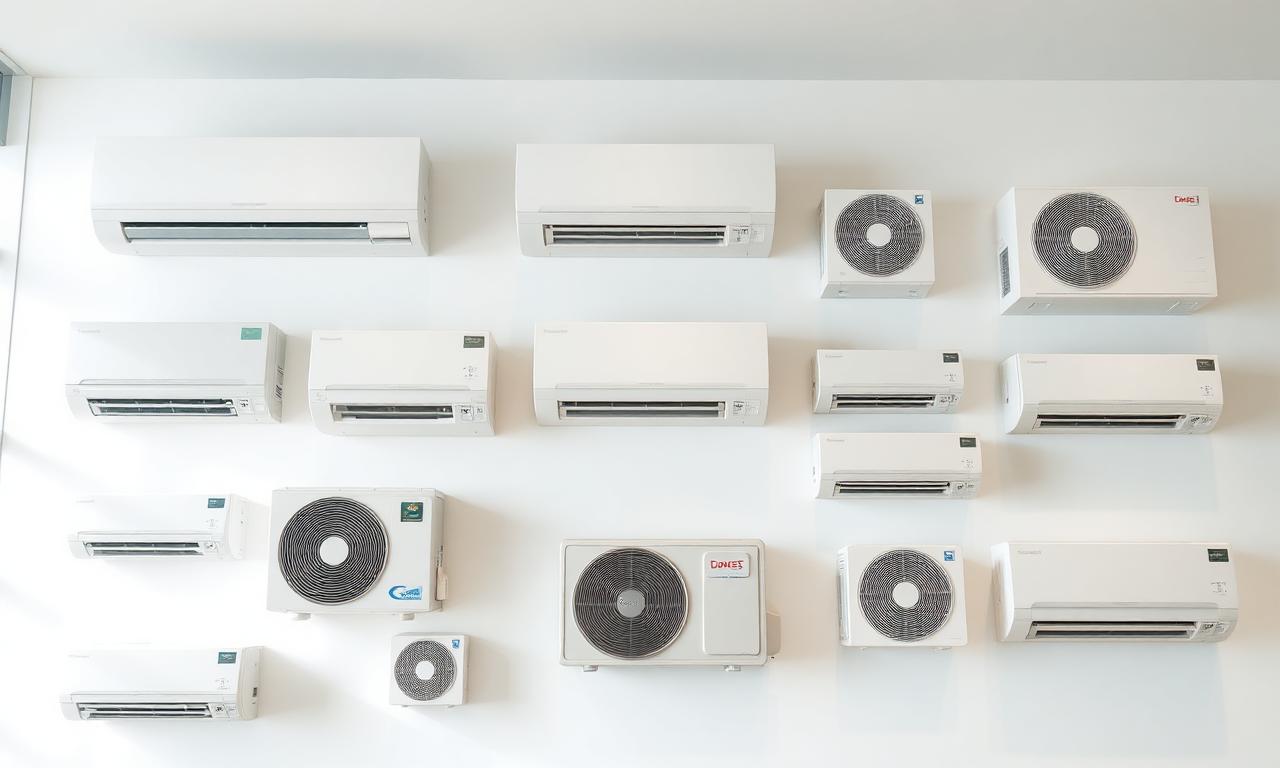
For many years, the British public viewed climate control as an unnecessary luxury reserved for Mediterranean holidays or modern commercial offices. However, as summer temperatures in London and the South East increasingly breach the 35°C mark, the demand for a permanent air conditioner in the UK has transitioned from a niche requirement to a standard home improvement. Modern systems offer far more than just cooling; they are sophisticated heat pumps capable of providing highly efficient low-carbon heating during the winter months, making them a year-round investment for the energy-conscious homeowner.
Selecting the right system requires a nuanced understanding of UK-specific housing stock, from solid-wall Victorian terraces to air-tight new builds. Unlike the ubiquitous central air systems seen in North America, UK installations typically favour ductless multi-split or single-split configurations. These systems allow for room-by-room control, ensuring that energy is not wasted on unoccupied spaces. Furthermore, because of the specific legal framework governing refrigerants and electrical work in Great Britain, homeowners must navigate several regulatory hurdles before their first flick of the remote.
This guide provides a transparent look at the current landscape of home cooling. We will examine the realistic costs you can expect in 2026, the technical specifications required to cool a typical British lounge or bedroom, and the legalities surrounding the F-Gas Regulation (EC) 517/2014. By the end of this resource, you will be equipped to choose between industry-leading brands such as Daikin and Mitsubishi Electric, and you will understand exactly what to ask when vetting a certified installer.
- Permanent split-system air conditioners in the UK require F-Gas certified professionals for legal installation and warranty protection.
- A standard single-room 2.5kW installation in 2026 typically costs between £1,750 and £2,600 including VAT.
- Energy-efficient A+++ units can cost as little as 8p per hour to run under normal UK summer conditions.
- Major brands like Daikin, Mitsubishi Electric, and Panasonic offer the best spare parts availability and long-term UK support.
- Air conditioners act as air-to-air heat pumps, providing highly efficient and low-carbon heating during British winter months.
- Check for Part P electrical compliance and ensure you receive a commissioning certificate for your home's permanent records.
- Sizing is critical; a 2.5kW unit suits small bedrooms, while 3.5kW to 5.0kW is needed for larger, south-facing living spaces.
Understanding System Types: From Portables to Multi-Splits
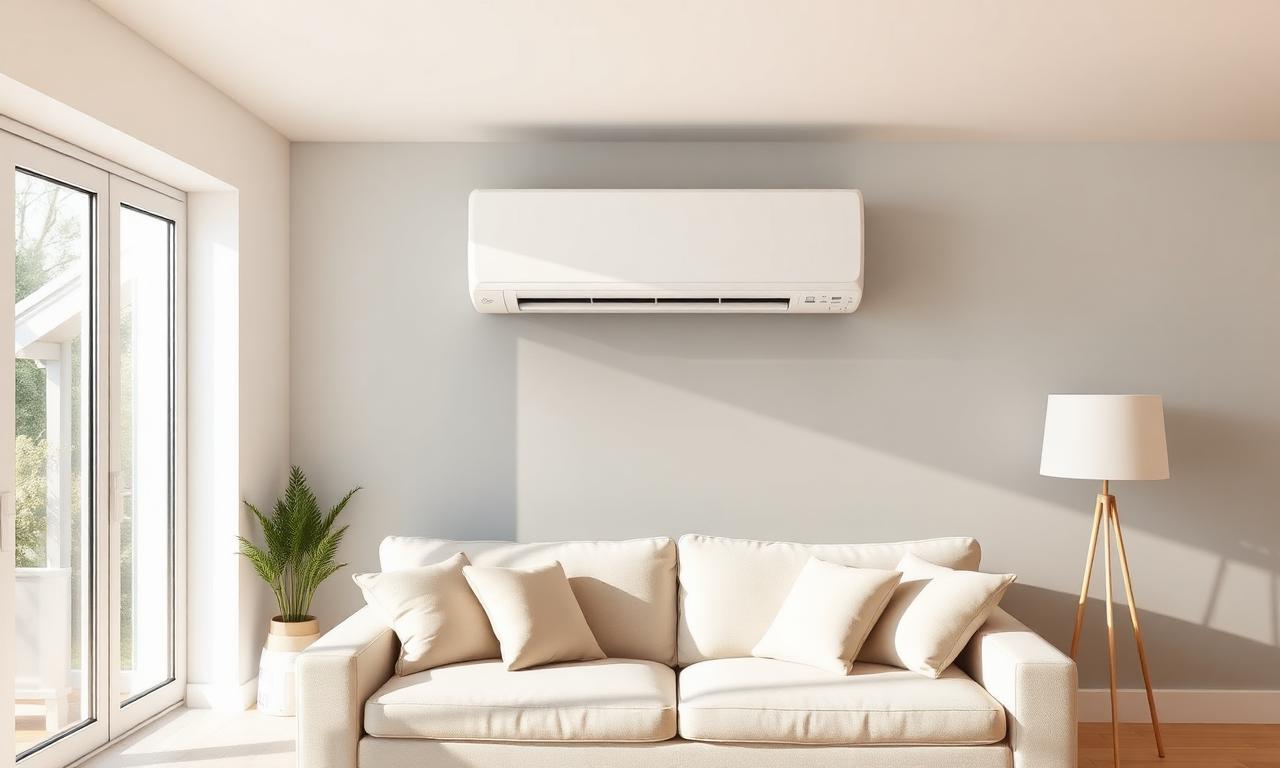
When researching an air conditioner in the UK, the first hurdle is choosing the correct architecture for your property. Portable units are the most accessible entry point, typically costing between £350 and £800. These are 'plug-and-play' devices that vent hot air through a flexible hose out of a window. While convenient, they are significantly less efficient than permanent fixtures, often struggling to drop room temperatures by more than a few degrees during peak heat and producing high noise levels (60-65dB). For a long-term solution, UK homeowners overwhelmingly opt for high-wall split systems.
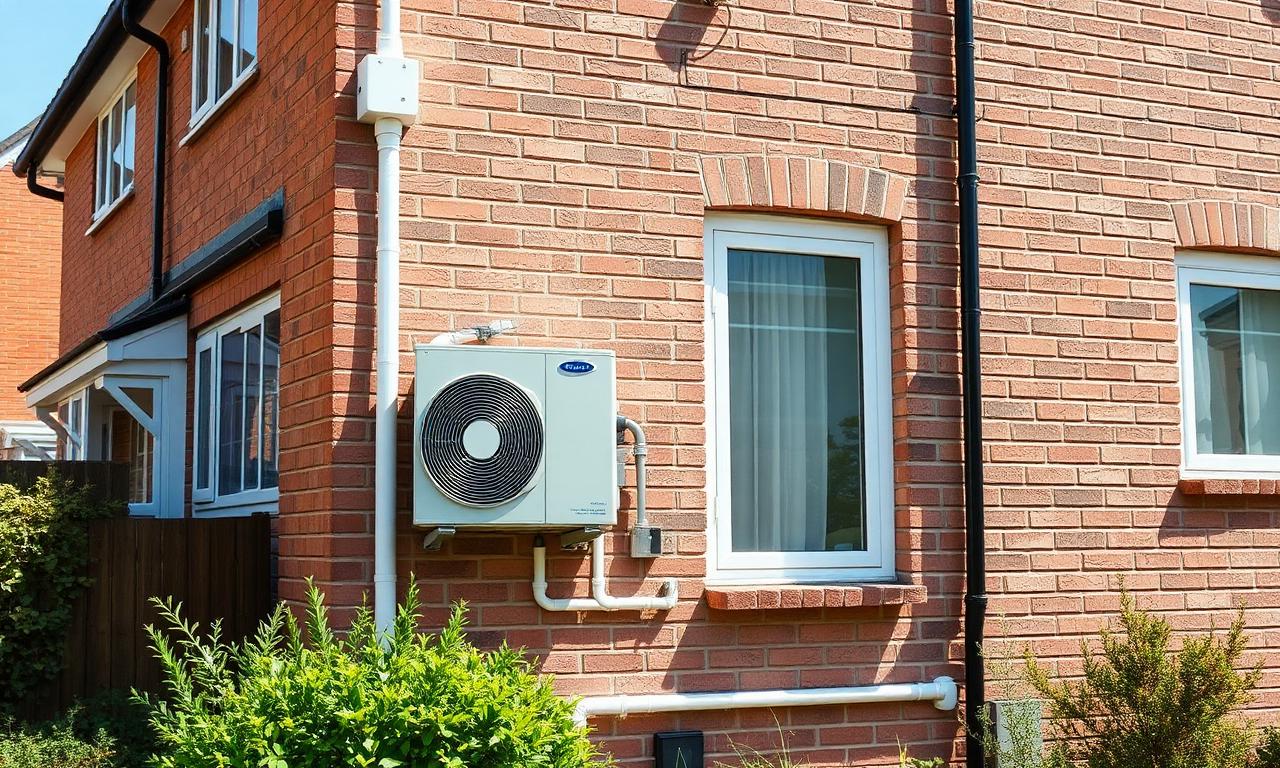
A single-split system consists of one internal air handling unit (the indoor unit) and one external condenser. These are ideal for cooling a single focal point, such as a master bedroom or a loft conversion. In 2026, a high-quality single-split installation from a premium brand like Panasonic or LG typically ranges from £1,750 to £2,600, including VAT and professional fitting. If you require cooling in multiple rooms, a multi-split system is the answer. This configuration uses a single, larger outdoor condenser connected to up to five indoor units. Multi-split systems are complex to install, often requiring significant refrigerant pipework through ceiling voids or along external walls, with three-room systems often costing between £4,500 and £6,500.
For those in sensitive conservation areas or Grade II listed buildings where external condensers are prohibited, 'water-cooled' or 'internal' air conditioning is an option. These units sit entirely inside the property and use the mains water supply to reject heat. While effective, they are significantly more expensive to run due to water consumption and carry a high capital cost, often starting at £3,500 for a single room. For the vast majority of UK residents, however, the air-to-air split system remains the gold standard for efficiency, noise reduction, and longevity.
Sizing and Capacity: Calculating the kW Requirements
One of the most common mistakes made by UK homeowners is under-sizing their equipment. Air conditioning capacity is measured in Kilowatts (kW) or British Thermal Units (BTU), where 1kW is approximately equivalent to 3,412 BTU. For a standard UK bedroom (approx. 12-15 square metres), a 2.5kW (9,000 BTU) unit is usually sufficient. For larger lounges or open-plan kitchen-diners (20-30 square metres), you should look towards a 3.5kW (12,000 BTU) or 5.0kW (18,000 BTU) system depending on the amount of glazing and the orientation of the room.
Calculation is not merely based on floor area; 'heat gain' is the critical metric. A south-facing room with large bifold doors will require significantly more cooling power than a north-facing room of the same dimensions. In 2026, industry professionals use refined software to account for insulation levels (U-values), the number of occupants, and electronic heat sources like computers or ovens. If you choose a unit that is too small, it will run at maximum capacity indefinitely, failing to reach the target temperature and leading to premature compressor failure. Conversely, an oversized unit will 'short-cycle', turning on and off too frequently, which wastes electricity and fails to dehumidify the air properly.
Energy efficiency ratings are also a vital consideration. Look for the SEER (Seasonal Energy Efficiency Ratio) and SCOP (Seasonal Coefficient of Performance) ratings. Premium models from Mitsubishi Electric’s Zen or Diamond ranges often boast SEER ratings above 8.5, placing them in the A+++ category. While these units have a higher upfront cost, they can reduce annual running costs by up to 30% compared to budget A-rated models. In a UK climate where the temperature fluctuates, inverter technology is essential; it allows the compressor to vary its speed rather than simply being 'on' or 'off', maintaining a consistent temperature with minimal energy draw.
The Legal Framework: F-Gas and Part P Compliance
In the UK, the installation of permanent air conditioning is strictly regulated. Under the F-Gas Regulation (EC) 517/2014, which remains mirrored in UK law post-Brexit, it is a criminal offence for anyone other than an F-Gas certified engineer to install or 'commission' a split system. This is because these systems contains fluorinated greenhouse gases (refrigerants such as R32) which, if leaked, have a global warming potential thousands of times higher than CO2. When you purchase a split system, reputable retailers will often ask for proof of a contracted F-Gas installer before they ship the goods.
Electrical safety is the second legal pillar. Most residential air conditioners require a dedicated electrical feed from the consumer unit, especially for systems rated 3.5kW and above. This work falls under 'Part P' of the Building Regulations in England and Wales. A qualified electrician must install the circuit and provide a Minor Electrical Installation Works Certificate or a Building Regulations Compliance Certificate. Many specialist HVAC (Heating, Ventilation, and Air Conditioning) firms employ engineers who are qualified in both F-Gas and electrical work, providing a seamless service that covers all legal bases.
Failure to comply with these regulations has serious consequences. Beyond the environmental impact of poorly handled refrigerants, an uncertified installation will void the manufacturer’s warranty—which on brands like Daikin can be up to 7 years. Furthermore, if you sell your home, the buyer's solicitor will likely request the F-Gas commissioning certificate and Part P electrical sign-off during the conveyancing process. Without these, you may be forced to pay for a retrospective inspection or an indemnity insurance policy, or the sale could even fall through. Always ensure your installer is registered with a body such as REFCOM or F-Gas Register.
Installation Costs and 2026 Price Projections
Budgeting for an air conditioner in the UK requires an understanding of both hardware and labour costs. As of 2026, the cost of a standard 'back-to-back' installation—where the indoor unit is mounted on the same wall as the outdoor condenser—is the most affordable. This typically involves 2-3 metres of pipework. For a 2.5kW entry-level Samsung or LG system, expect to pay between £1,600 and £1,900. For a premium Daikin Perfera or Mitsubishi Electric MSZ-AY, this increases to £2,100 to £2,400. This price usually includes the wall bracket or ground mounting feet for the outdoor unit, all pipework, and the commissioning labour.
Complexity adds cost rapidly. If the pipework needs to be routed through a loft space, under floorboards, or requires a condensate pump (used when the water drained from the indoor unit cannot flow away via gravity), you should add £250 to £500 to the estimate. Condensate pumps are a common requirement in UK flats where the indoor unit is on an internal wall. Furthermore, if your consumer unit (fuse box) is old and lacks RCD protection or spare capacity, a dedicated sub-main or a full board upgrade may be necessary, costing an additional £400 to £900.
Commercial-grade projects or large 'multi-split' installations for an entire four-bedroom house can reach figures between £8,500 and £12,000. It is worth noting that since April 2022, the UK government has applied a 0% VAT rate on the installation of energy-saving materials, which includes air-source heat pumps. Because modern air conditioners are technically air-to-air heat pumps, many installers can apply this 0% VAT rate to the entire invoice, provided the system is the primary heat source for the room or part of a wider energy-efficient upgrade. However, the interpretation of this rule varies among HMRC-registered contractors, so always clarify the VAT status at the quotation stage.
The Installation Process: Timeline and What to Expect
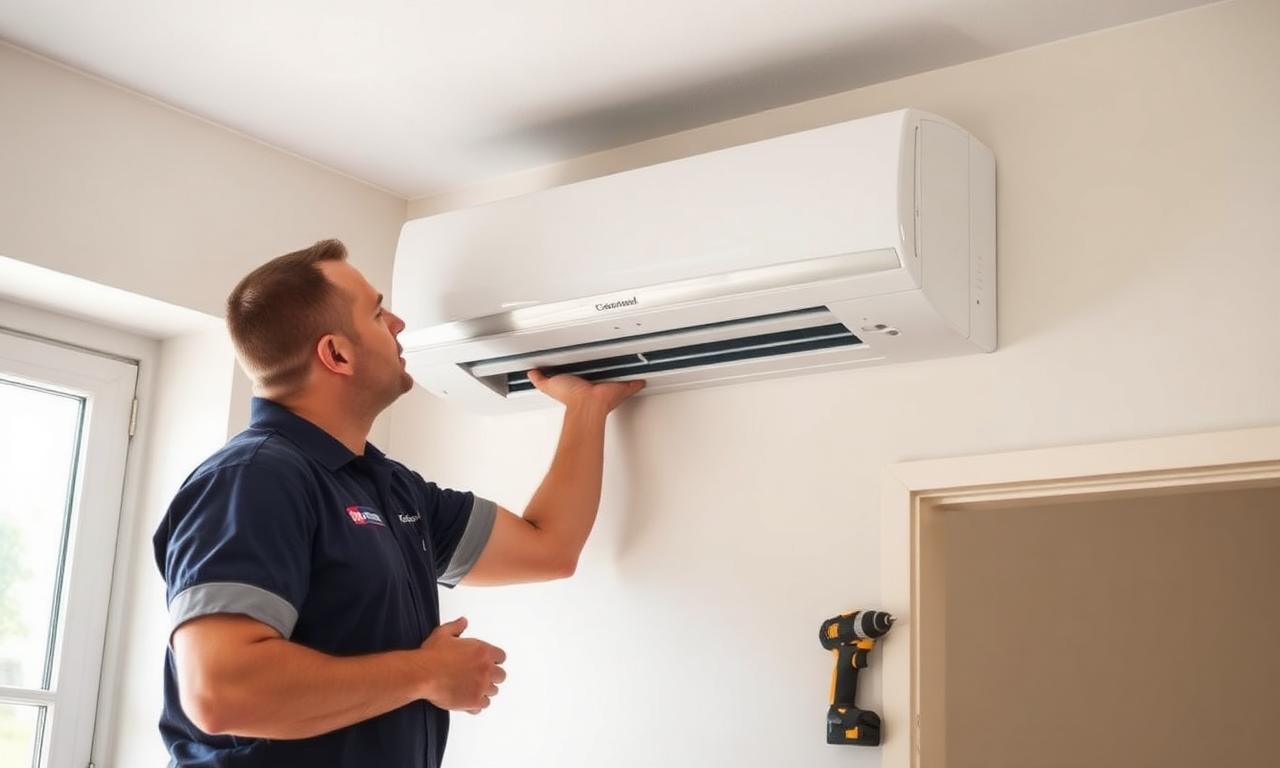
From the moment you decide to proceed, the typical timeline for a professional air conditioner installation in the UK is three to six weeks, depending on the season. During the peak of summer (June-August), lead times can stretch to eight weeks. The physical installation of a single-split system usually takes one full working day (8 hours). A multi-split system for three rooms will typically require two to three days. The process begins with 'first fix' activities: drilling a 65mm hole through the external wall for the refrigerant lines, power cables, and drainage pipes, followed by the mounting of the indoor wall plates.
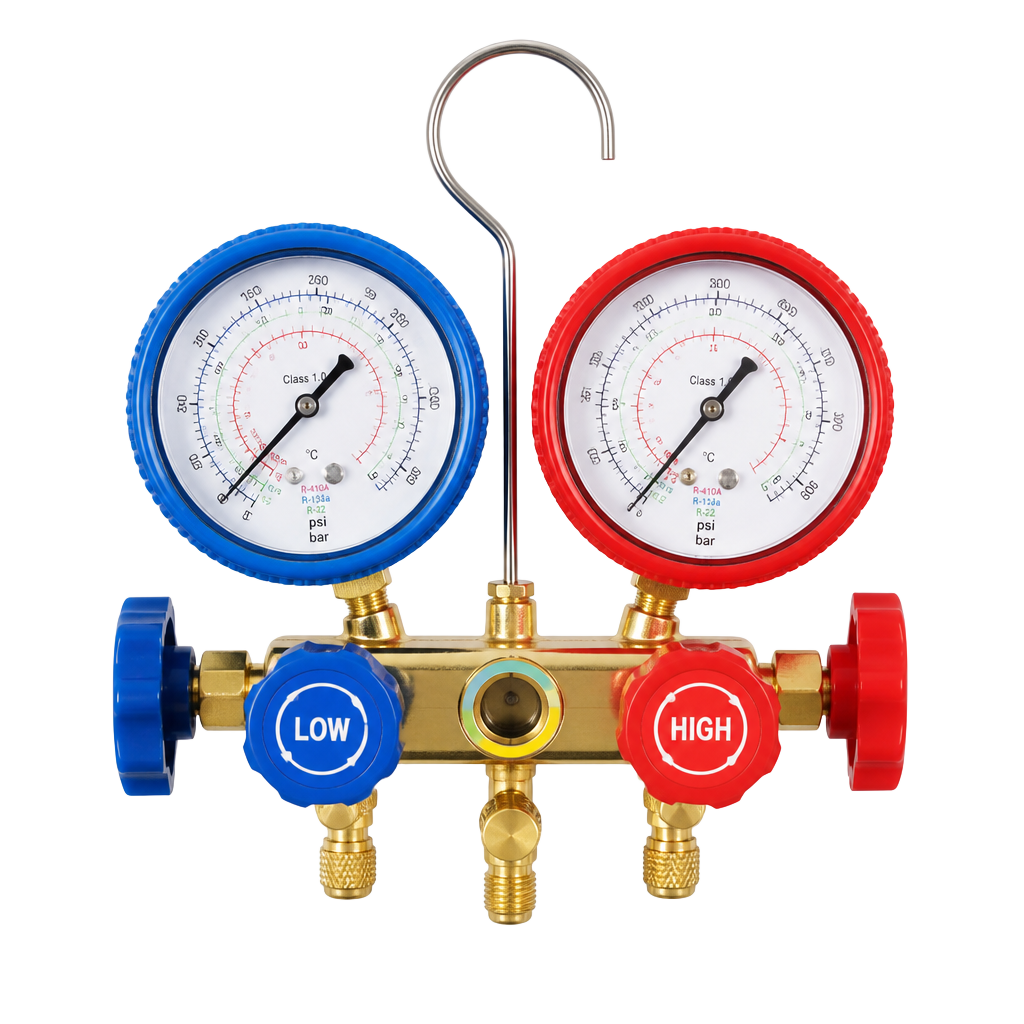
Once the indoor units are hung, the engineer will install the outdoor condenser. UK homeowners often choose to place these on the ground on 'big foot' rubber mounts to minimise vibration, or on wall brackets at a height of about two metres. After the pipework is connected, the system undergoes a 'pressure test' using oxygen-free nitrogen (OFN). This test lasts at least one hour (though many engineers prefer longer) to ensure there are no leaks in the flared joints. Following a successful pressure test, the system is 'evacuated' using a vacuum pump to remove all moisture and air from the lines.
Finally, the engineer will release the refrigerant into the system and perform the commissioning. This involves measuring 'superheat' and 'subcooling' values to ensure the unit is operating to the manufacturer’s specification. You should expect the engineer to demonstrate the remote control, clean up any masonry dust—reputable firms use HEPA-filtered vacuums during drilling—and provide you with a commissioning sheet. Within two weeks of completion, you should receive your F-Gas certificate and, if applicable, your electrical completion certificate via email or post.
Running Costs: Is Air Conditioning Affordable in Britain?
Running an air conditioner in the UK is surprisingly affordable when compared to the cost of gas central heating, provided the system is used correctly. Based on 2026 average electricity prices of roughly 26p per kilowatt-hour (kWh), a modern 2.5kW unit with a SEER of 8.5 will cost approximately 8p to 12p per hour to run at full cooling capacity. However, because these units use inverter technology, they rarely run at full power for long. Once the room reaches the set temperature, the power draw often drops to as little as 200-300 watts, costing just 5p to 8p per hour to maintain comfort.
To put this in perspective, running a single-room air conditioner for eight hours during a hot summer night would cost roughly 60p to 90p. For many, this is a small price to pay for a restorative night's sleep. During the winter, using the same system for heating can be even more cost-effective. Air-to-air heat pumps (the technical term for these units) are typically 300% to 400% efficient. This means for every 1kW of electricity consumed, you receive 3kW to 4kW of heat. In a moderately sized, well-insulated home, an AC unit can heat a room faster and more cheaply than a traditional radiator system connected to a gas boiler.
To minimise costs, homeowners should employ 'passive cooling' strategies alongside their AC. Keeping curtains or blinds closed during the day on south-facing windows prevents the 'greenhouse effect', meaning the AC doesn't have to work as hard to lower the temperature. Additionally, setting the thermostat to 24°C rather than a 'arctic' 18°C can reduce energy consumption by up to 15%. Regular maintenance is also crucial; a clogged filter can increase energy usage by 10% as the fan works harder to pull air through the debris. Simple DIY filter cleaning every three months is the easiest way to keep your running costs at the baseline.
Common Pitfalls and How to Choose an Installer
The UK HVAC market is populated by a wide range of contractors, and choosing the wrong one can lead to an inefficient or even dangerous installation. A common pitfall is the use of 'pre-gassed' DIY kits sold online. While marketed as easy to install, these often involve plastic piping or proprietary couplings that are prone to leaking over time. Furthermore, DIY installation of these systems remains a violation of F-Gas laws. Another mistake is ignoring 'noise pollution'. Most modern outdoor units from brands like Panasonic or Daikin produce around 45-50dB, which is about the level of a quiet conversation. However, if placed directly beneath a neighbour's bedroom window, it could lead to complaints or local authority intervention.
When vetting an installer, you should ask for three specific pieces of documentation: their REFCOM or F-Gas company certificate number, their Public Liability Insurance (minimum £2m is standard), and examples of previous domestic work. A professional company will always offer a 'site survey' (either in person or via high-quality video link) before providing a fixed-price quote. Be wary of any contractor who provides a quote based solely on a two-sentence email description. This often leads to 'hidden extras' on the day of installation when they realise your walls are made of flint or that your consumer unit is full.
Finally, consider the brand support. While 'no-name' budget brands at £300 cheaper might seem tempting, they often lack a UK-based spare parts supply chain. If a PCB (printed circuit board) fails on an LG or Samsung unit, a replacement is usually available in 48 hours. For a budget brand, you may be left without cooling for weeks. A reputable installer will usually align themselves with one or two 'Tier 1' manufacturers, meaning they have attended specific training courses and can offer extended warranties of 5, 7, or even 10 years, providing you with long-term peace of mind.
Frequently asked questions
Do I need planning permission for air conditioning in the UK?+
Generally, no. Most domestic AC installations fall under 'Permitted Development'. However, if you live in a Conservation Area, a National Park, or a Listed Building, you must consult your Local Planning Authority. Flats may also require permission from the freeholder or management company before an external condenser is mounted on the facade.
Can I install my own split-system air conditioner?+
Legally, no. While you can physically mount the units, the connection and commissioning of refrigerant lines must be done by a REFCOM or F-Gas certified engineer under UK law (EC 517/2014). Attempting a DIY install voids warranties and carries the risk of heavy fines and environmental damage from refrigerant leaks.
How often does a home AC unit need servicing?+
For residential use, an annual service is recommended to maintain the manufacturer's warranty. This involves cleaning the coils, checking the refrigerant charge, testing the condensate pump, and ensuring the electrical connections remain tight. Homeowners should also clean the internal dust filters themselves every 3–6 months.
Is R32 refrigerant better than R410A?+
Yes. R32 is the current standard in the UK. It has a Global Warming Potential (GWP) of 675, which is roughly one-third that of the older R410A (GWP 2,088). R32 is also more efficient, requiring a smaller charge for the same cooling capacity, making it both greener and cheaper to run.
How long will a modern air conditioner last?+
A high-quality system from a brand like Daikin or Mitsubishi Electric should last between 12 and 15 years with regular maintenance. Coastal properties may see a shorter lifespan of 7–10 years due to salt-air corrosion unless the outdoor unit is treated with a specialist anti-corrosive coating like Blygold.
Does air conditioning deal with damp and mould?+
Yes, to an extent. Air conditioners naturally dehumidify the air as they cool, which can help prevent the conditions where mould thrives. However, they are not a substitute for proper structural ventilation or addressing the root cause of rising or penetrating damp in British homes.