Can You Install Air Conditioning Yourself in the UK?
Tackling a DIY air conditioning install? Our guide breaks down the legalities of F-Gas regulations, Part P electrical safety, and the true costs of professional vs DIY fitting in the UK.

As UK summers become increasingly intense, many homeowners are looking for ways to regulate their indoor climates without the high premiums associated with professional installation. However, when you ask, "can you install air conditioning yourself," the answer is governed less by your technical ability and more by strict environmental and electrical legislation. In the United Kingdom, the core issue is the handling of fluorinated greenhouse gases (F-gases), which are the refrigerants used to transport heat from inside your home to the outside. Unlike a simple flat-pack furniture assembly or painting a spare room, a split-system air conditioning installation involves high-pressure chemicals and complex electrical circuitry that carry significant legal weight.
While the DIY spirit is strong in Britain, particularly with the rise of YouTube tutorials and accessible hardware, the regulatory landscape for Heating, Ventilation, and Air Conditioning (HVAC) is remarkably tight. This guide will walk you through the practical, financial, and legal realities of installing air conditioning in a UK residential setting. We will examine the F-Gas Regulation (EC) 517/2014, the requirements of Building Regulations Part P, and the technical breakdown of what is required to get a system like a Daikin or Mitsubishi Electric unit up and running. By understanding the distinction between what is physically possible and what is legally permitted, you can make an informed decision that protects your property value and remains on the right side of the law.
Navigating the world of British HVAC involves understanding specific BTU ratings, kW capacities, and the nuances of the 2026 market prices. Whether you are considering a budget-friendly Samsung wall unit or a premium LG Artcool system, the installation process remains the same. This article provides a comprehensive overview of the risks associated with amateur installation, the benefits of hiring a Refcom-certified professional, and the specific cost brackets you should expect to encounter when upgrading your home’s cooling infrastructure.
- UK law requires an F-Gas certified technician to commission any split-system air conditioning unit involving refrigerant gases.
- Expect to pay between £1,600 and £2,400 for a professional 3.5kW back-to-back installation in 2026.
- Electrical work must comply with Part P Building Regulations, often requiring a dedicated circuit and professional certification.
- DIY installations often fail due to improper pipe flaring and the lack of specialized vacuum pumping equipment.
- Manufacturer warranties (up to 7-10 years) are typically only valid if the system is installed by an approved professional.
- A 2.5kW to 3.5kW unit is usually sufficient for most UK bedrooms, costing roughly 70p to 85p per four hours of use.
Understanding the F-Gas Regulation (EC) 517/2014
The primary legal barrier to DIY air conditioning installation in the UK is the F-Gas Regulation (EC) 517/2014, which remains retained in UK law post-Brexit. This regulation stipulates that any equipment containing fluorinated greenhouse gases must be installed, maintained, and repaired by a technician who holds a valid F-gas certificate. These gases, such as R32 or the older R410A, have a high Global Warming Potential (GWP). If leaked into the atmosphere due to a poorly flared joint or an improper vacuum process during a DIY install, the environmental impact is significantly higher than that of carbon dioxide. Consequently, it is an offence for an unqualified individual to work on the refrigerant circuit of a split air conditioning system.
When you purchase a split-system unit from a reputable UK retailer, you will often find a legal disclaimer or a requirement to prove that a certified professional will be performing the commission. The law applies to the 'breaking' of the refrigerant circuit. This means that while a homeowner might physically bolt the indoor unit to the wall and mount the outdoor condenser on a bracket, they cannot legally connect the copper pipes, vacuum the system to remove moisture and air, or release the refrigerant gas. Doing so without certification can lead to heavy fines and the voiding of your home insurance policy, as the installation would not meet the required safety and environmental standards.
Furthermore, the regulation creates a 'paper trail' for the equipment. Suppliers are required to ensure that the end-user intends to have the equipment installed by a certified business. In 2026, enforcement has become more stringent with digital logging of refrigerant sales and equipment tracking. If a leak occurs in a DIY-installed system, a professional engineer may refuse to work on it, or you may find it impossible to source replacement refrigerant. For these reasons, the 'self-install' route is effectively restricted to 'Easy-Fit' systems that come with pre-charged pipes, though even these often require professional sign-off to remain fully compliant with manufacturer warranties and local building codes.
Electrical Compliance and Part P Requirements
Beyond the refrigerant gases, the electrical side of air conditioning installation is governed by Part P of the Building Regulations in England and Wales. A typical residential air conditioning unit, such as a 3.5kW (12,000 BTU) system, requires a dedicated power supply, often involving a new circuit from the consumer unit (fuse box). Under Part P, electrical work in 'wet' areas or the installation of new circuits is considered 'notifiable' to local authority building control. This means the work must be carried out by a competent person registered with a scheme like NICEIC or NAPIT, or it must be inspected by building control at a significant cost.
If you install the electrical components yourself, you risk an electrical fire or equipment failure. A 5kW system can draw significant current, especially during the compressor’s start-up phase, necessitating correctly rated cabled (typically 2.5mm or 4mm Twin and Earth) and appropriate miniature circuit breakers (MCBs). A professional installer will ensure that the outdoor condenser is safely isolated with a weatherproof rotary switch, allowing for safe maintenance in the future. They will also verify that the earthing of the system is sufficient to prevent electric shocks in the event of a fault.
Failure to provide a Part P certificate for the electrical work can cause major headaches when it comes to selling your home. During the conveyancing process, a buyer’s solicitor will likely request certificates for any major electrical or HVAC work performed. Without a Completion Certificate from a registered electrician or an F-Gas commissioning certificate, you may be forced to pay for a retrospective survey or an indemnity policy, which often costs more than the original professional installation would have. Thus, the electrical risks of a DIY approach are just as significant as the chemical ones.
Typical UK Installation Costs for 2026
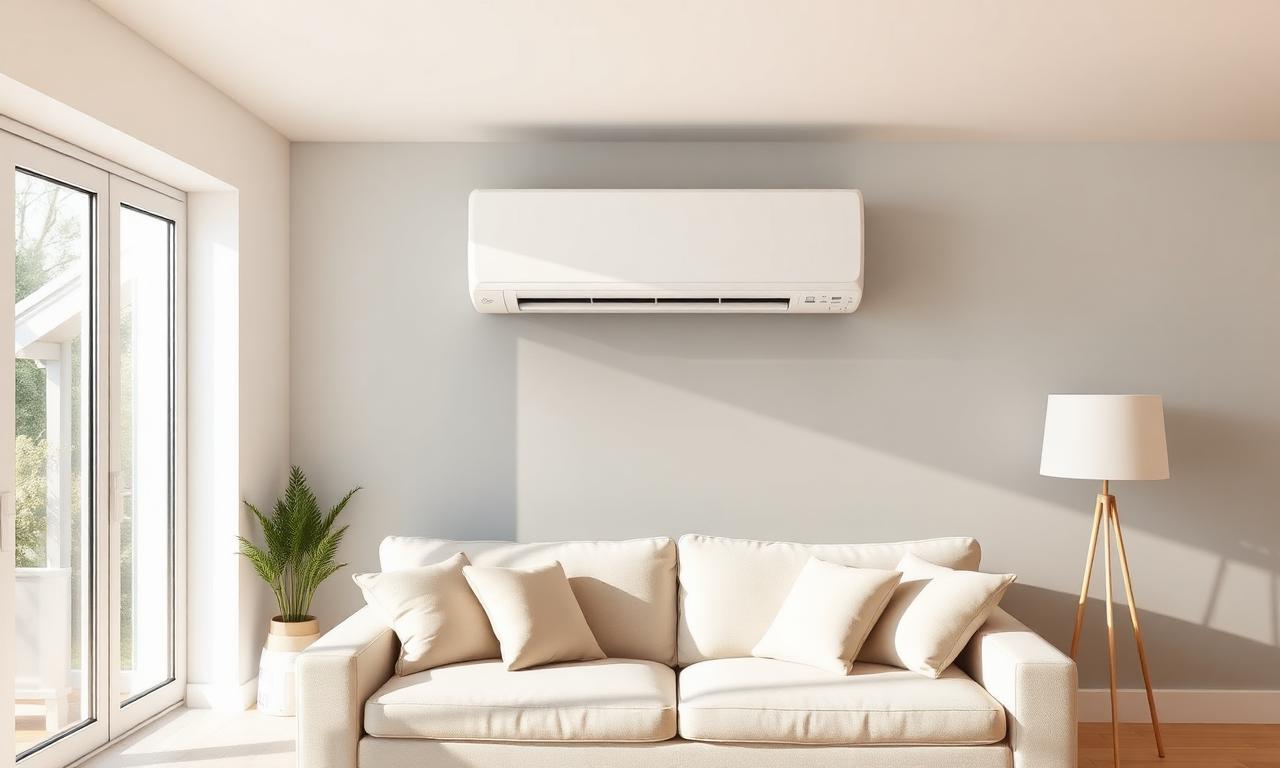
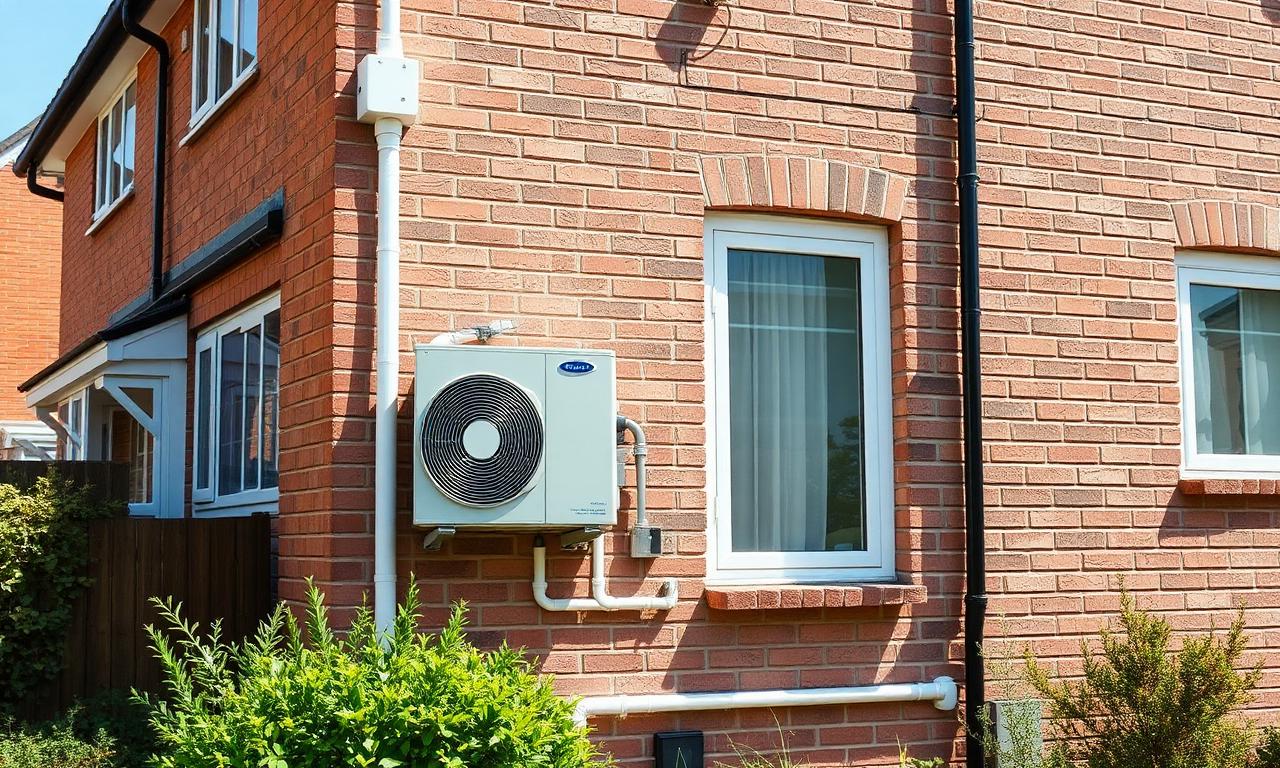
For a standard back-to-back installation of a single 2.5kW to 3.5kW wall-mounted unit (suitable for a medium bedroom or living room), homeowners should budget between £1,600 and £2,400 in 2026. This price range typically includes the hardware—such as a mid-range Panasonic or Samsung unit—the copper pipework, cable, trunking, and the labour of an F-Gas certified engineer. A 'back-to-back' install is the simplest configuration, where the indoor unit is placed on the same wall as the outdoor condenser, requiring only about 3 metres of pipework.
If your installation is more complex, such as running pipes through a loft or under floorboards, costs will increase. For a multi-split system (one outdoor unit serving two or three indoor rooms), prices generally start at £3,500 and can rise to £6,000 depending on the length of the pipe runs and the total kW capacity required. High-end brands like Mitsubishi Electric or Daikin will usually command a 15-20% premium over budget brands like Midea or Haier, but they often offer better parts availability and longer warranties, sometimes up to 7 or 10 years if installed by an approved partner.
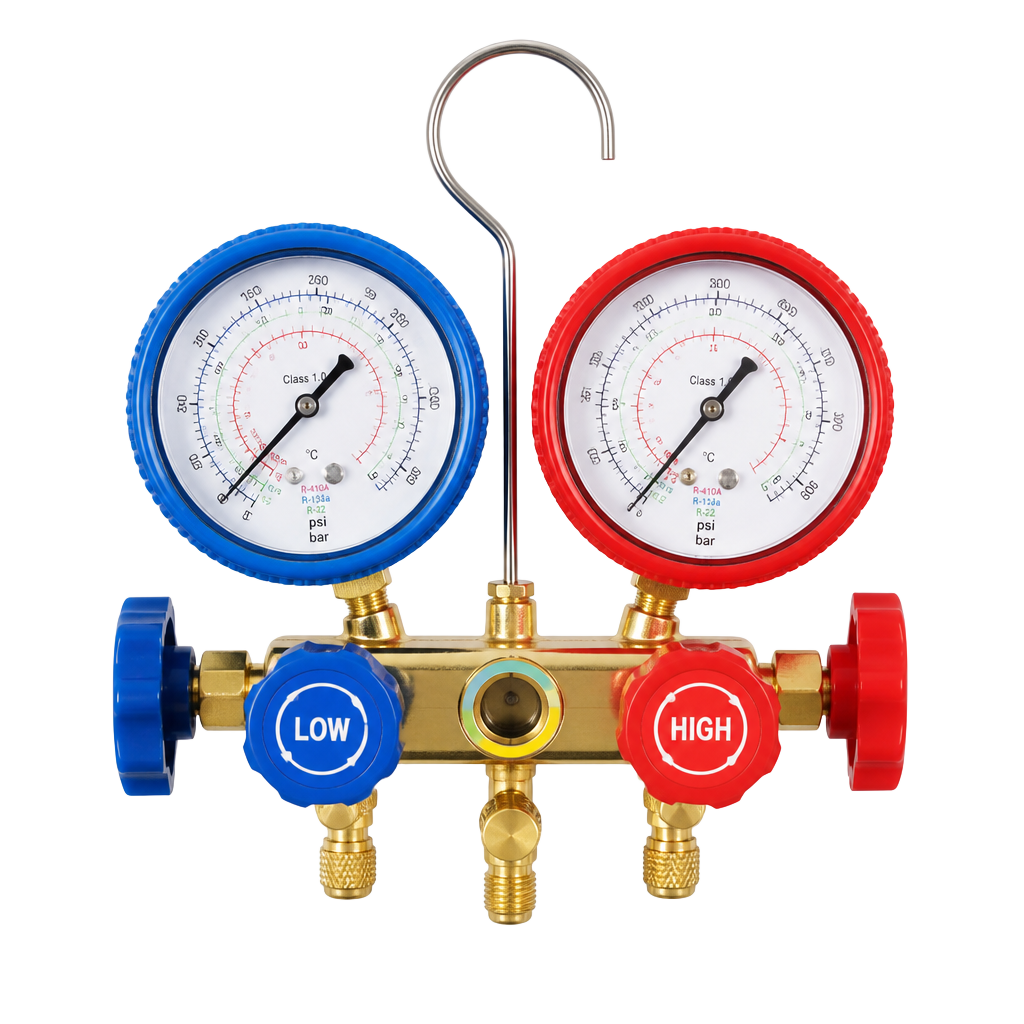
Doing it yourself might seem like a way to save the £600 to £1,000 labour portion of these quotes, but the hidden costs are substantial. You would need to purchase or rent specialist tools, including a vacuum pump (£150-£300), a manifold gauge set (£80-£150), a torque wrench with flare heads (£100), and a pipe flaring tool (£50). When you add the cost of the materials—refrigerant-grade copper coil, armaflex insulation, and wall brackets—the saving diminishes rapidly. Most importantly, if you break the unit during a DIY attempt, you have no recourse; whereas a professional carries Public Liability insurance and provides a workmanship guarantee.
Sizing Your System: kW and BTU Calculations
Choosing the right size unit is a critical step that DIYers often get wrong. In the UK, we use both Kilowatts (kW) and British Thermal Units (BTUs) to describe cooling capacity. A common mistake is buying an undersized unit to save money, which then runs constantly at maximum power, shortening its lifespan and inflating electricity bills. Conversely, an oversized unit will 'short-cycle,' turning on and off too frequently, which fails to dehumidify the air properly and causes unnecessary wear on the compressor.
As a general rule for UK homes, you should allow for approximately 0.12kW to 0.15kW of cooling power per square metre of floor space. For a small bedroom of 10-12 square metres, a 2kW or 2.5kW (approx. 7,000 to 9,000 BTU) unit is usually sufficient. For a larger open-plan living area of 25-30 square metres, you would likely need a 3.5kW or 5kW (12,000 to 18,000 BTU) system. However, these figures must be adjusted based on the room's orientation; a south-facing room with large windows will have a higher 'solar gain' and may require an extra 0.5kW of capacity.
Professional installers use sophisticated heat load calculations that also account for the number of occupants, the presence of heat-generating electronics (like gaming PCs or large TVs), and the level of insulation in the walls. They will also consider the 'SEER' (Seasonal Energy Efficiency Ratio) and 'SCOP' (Seasonal Coefficient of Performance) ratings. In 2026, look for units with a SEER of at least 6.1 (A++) to ensure the system is cost-effective to run. A professional can help you balance these technical requirements to ensure the system is perfectly tuned to your specific environment.
The Professional Installation Process and Timeline
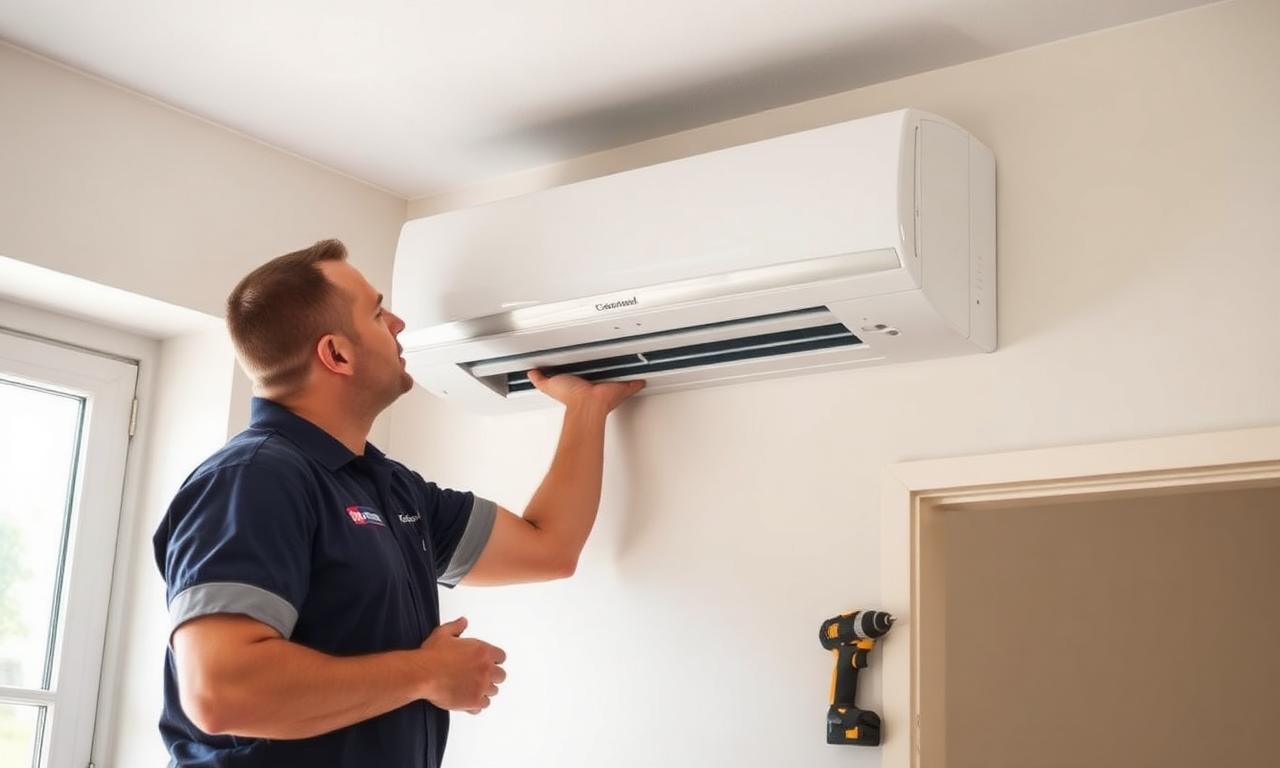
A professional air conditioning installation is a methodical process that typically takes between 4 and 6 hours for a single split system. The day begins with a site survey to confirm the location of the indoor and outdoor units, ensuring there is sufficient airflow and access for future maintenance. The engineer will first mount the indoor unit's backing plate, ensuring it is level to allow for proper condensate drainage. A hole (usually 65mm in diameter) is then core-drilled through the external wall at a slight downward angle to prevent rainwater ingress and facilitate the flow of the water tray drainage pipe.
Once the indoor unit is mounted, the engineer prepares the copper refrigerant lines. This involves cutting the pipe to length, deburring the edges, and 'flaring' the ends to create a mechanical seal with the unit’s brass fittings. This is the most critical stage; even a microscopic gap can lead to a slow refrigerant leak. After the pipes and communication cables are connected, the system is subjected to a pressure test using dry nitrogen. This checks the integrity of the joints at pressures much higher than the system will face during normal operation. If the pressure holds, the engineer then uses a vacuum pump to remove all air and moisture from the lines, reaching a vacuum level of below 500 microns.
Only after the vacuum is successfully pulled and held does the engineer release the refrigerant from the outdoor condenser into the circuit. The final steps involves testing the temperature differential (the 'delta T') across the indoor coil to ensure the unit is cooling correctly and checking the condensate drain to ensure water is flowing away from the property. You are then provided with a commissioning sheet and an F-Gas logbook. Attempting to replicate this process yourself without the nitrogen tanks, vacuum pumps, and calibrated gauges is where most DIY attempts fail, often resulting in air becoming trapped in the system, which can cause the compressor to burn out within months.
Running Costs and Long-Term Maintenance
One of the reasons homeowners consider DIY is to offset the high cost of energy in the UK. In 2026, with electricity prices hovering around 24p to 28p per kWh, running an air conditioner might seem daunting. However, modern inverter-driven models from brands like LG or Daikin are remarkably efficient. A 2.5kW unit does not draw 2.5kW of electricity; it provides 2.5kW of cooling while typically drawing only 0.6kW to 0.8kW of power. For a typical evening of cooling (4 hours), the cost would be roughly 60p to 85p. In 'Heat Pump' mode during the winter, these units are often 300-400% efficient, making them cheaper than many gas boilers for targeted heating.
Maintenance is the second half of the cost equation. A professional installation includes a warranty, but that warranty is usually conditional on annual servicing. A professional service (typically costing £100-£150 per year) involves cleaning the evaporator coils, disinfecting the condensate tray to prevent 'dirty sock syndrome' (bacterial growth), checking the refrigerant levels, and testing the electrical draw. This ensures the system maintains its high SEER rating. If you install the unit yourself, you have no professional service history, which can lead to the unit becoming clogged with dust and biofilm, eventually leading to a 30-50% drop in efficiency.
Homeowners can perform basic maintenance themselves, such as cleaning the plastic dust filters every two to four weeks during heavy use. This is a simple task that involves rinsing the filters under a tap and letting them air dry. However, the deeper chemical clean of the aluminium fins and the inspection of the flare joints for oil traces (a sign of a leak) should be left to an F-Gas technician. By investing in professional installation and maintenance, you ensure the system lasts its intended 15-year lifespan rather than failing prematurely due to neglect or improper setup.
Common DIY Mistakes and Their Consequences
The most frequent error in DIY air conditioning attempts is improper pipe flaring. Without a professional-grade eccentric flaring tool, the flare can be uneven or too thin, leading to a refrigerant leak. Since R32 refrigerant operates at high pressures, any weakness in the joint will eventually manifest as a leak. Once the refrigerant level drops, the system’s cooling capacity falls, and the compressor will overheat trying to compensate. Eventually, the compressor—the most expensive part of the system—will seize, often costing more to replace than the entire outdoor unit.
Another common mistake is neglecting the condensate drainage. As the indoor unit cools the air, it removes moisture, which collects in a tray. This water must flow via gravity to the outside or be pumped away. DIYers often fail to maintain a consistent downward slope in the drainage pipe or accidentally kink the pipe behind the unit. This results in water backing up and leaking down the internal wall, damaging wallpaper, plaster, and electronics. Professional installers test the drain with a jug of water during the commissioning phase to guarantee this doesn't happen.
Finally, many DIYers fail to properly 'vacuum down' the system. Simply opening the valves and 'purging' the air with a bit of refrigerant (an old, illegal technique) leaves moisture and non-condensable gases in the pipes. Moisture reacts with the refrigeration oil to form acid, which eats away at the copper windings of the compressor motor from the inside. This 'acid burn' is a death sentence for an air conditioner and is easily detectable by professional engineers, who will subsequently refuse to honour any warranty claims. The technical precision required for a long-lasting HVAC system is simply very difficult to achieve without specialist training and equipment.
How to Choose a UK Installer
If you have decided that the risks of DIY are too high, the next step is selecting a qualified installer. In the UK, the non-negotiable requirement is that the company or individual must be Refcom or Quidos registered. This ensures they are legally allowed to handle refrigerants. You can check a company’s credentials on the Refcom website by searching for their registration number. A reputable installer will always be happy to provide this information. Furthermore, check if they are an 'Approved Dealer' for major brands like Daikin, Mitsubishi Electric, or Toshiba. Manufacturers often extend their warranties from the standard 1-3 years up to 7 years if the installation is done by one of their accredited partners.
When reviewing quotes, look for a detailed breakdown. A professional quote should specify the model number, the kW capacity, the length of the pipe run, and whether electrical work is included in the price. Be wary of quotes that seem significantly cheaper than average; they may be skipping the nitrogen pressure test or using inferior, thin-walled copper piping not rated for R32 pressures. A good installer will also offer a free site survey (or at least a detailed video call) rather than giving a firm price over the phone, as every UK home presents different challenges in terms of wall construction and pipe routing.
Finally, consider their after-sales support. Ask about their service plans and what their response time is if a fault occurs during a heatwave. The best installers are often busy, so if you are planning for a summer install, start your search in February or March. By choosing a local, well-reviewed professional who holds all the necessary F-Gas and Part P certifications, you ensure a safe, legal, and efficient installation that adds genuine value to your home. This peace of mind is generally worth far more than the initial savings of a DIY attempt.
Frequently asked questions
Can I buy the air conditioning unit myself and just pay for installation?+
Yes, you can purchase the units from retailers, but many professional installers prefer to supply the equipment themselves. This allows them to manage the entire warranty process. If you supply the unit and it arrives faulty, you may still be charged for the installer's time, and you will have to handle the return to the retailer yourself.
What is an 'Easy-Fit' air conditioner and are they legal?+
Easy-Fit systems come with pre-flared, pre-vacuumed pipes. While they marketed for DIY, the moment you connect them to the unit, you are technically 'commissioning' the system. Under UK law, any system that is not a self-contained window or portable unit generally requires an F-Gas certified professional to oversee the connection to ensure no leaks occur during the process.
Do I need planning permission for air conditioning in the UK?+
Generally, air conditioning falls under 'Permitted Development' and doesn't need planning permission, provided the outdoor unit is not too large and is located away from boundaries. However, if you live in a Conservation Area, a Listed Building, or a flat, you must check with your local council or management company as restrictions often apply.
How long does a professional installation take?+
A standard back-to-back installation for a single room usually takes between 4 and 6 hours. More complex installs involving multi-split systems or long pipe runs through lofts can take one to two full days. Professional installers will work in pairs to handle the heavy outdoor condenser safely and ensure the indoor unit is mounted precisely.
What happens if I install it myself and it leaks?+
If R32 refrigerant leaks, it is a potent greenhouse gas and can be mildly flammable. Legally, you could face fines for violating F-Gas regulations. Financially, you will have to pay a professional to find the leak, repair the pipework, and re-gas the system, which often costs £400-£700—negating any savings from the DIY attempt.
Can I use a portable air conditioner instead?+
Portable units are the only 100% legal DIY option because the refrigerant circuit is sealed at the factory. However, they are significantly less efficient than split systems, much noisier (since the compressor is inside the room), and require a bulky hose to be vented through a window or wall hole.
Does air conditioning add value to a UK home?+
Increasingly, yes. As summers get hotter, buyers view professionally installed, energy-efficient cooling as a premium feature. However, a DIY install without certification can decrease value or complicate a sale, as it may be flagged as a safety risk or a building regulations violation during the survey.