Multi-Split Air Conditioning Installation UK Guide
A comprehensive 2026 guide for UK homeowners on multi-split AC systems. Learn about installation costs, legal requirements, and how to choose the right energy-efficient brand.
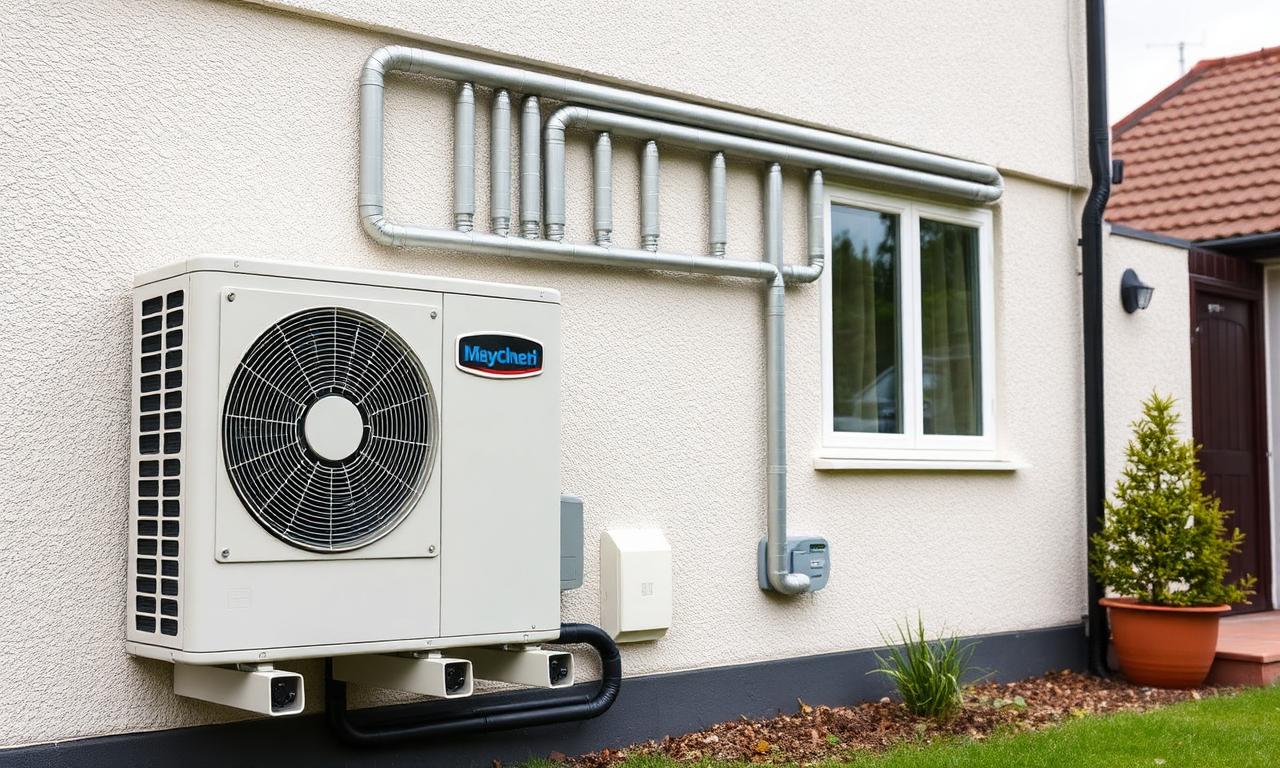
As British summers become increasingly intense, many homeowners are moving beyond temporary portable units toward a permanent multi split air conditioning installation. Unlike a single-split system, which pairs one outdoor compressor with one indoor unit, a multi-split configuration allows a single external condenser to power up to five separate indoor units. This setup is particularly suited to the UK's traditional brick-and-mortar housing stock, where external wall space may be limited or where aesthetic considerations—such as maintaining the appearance of a Victorian terrace or a modern semi-detached property—are a priority. By centralising the outdoor components, homeowners can achieve climate control in multiple bedrooms and living spaces without cluttering their gardens or balconies with multiple bulky machines.
Investing in a multi-split system is as much about comfort as it is about property value and energy efficiency. Most modern units sold in the UK utilize heat pump technology, meaning they can provide highly efficient low-carbon heating during the winter months alongside cooling in the summer. However, the complexity of these systems necessitates a professional approach. From calculating total cooling loads in kilowatts (kW) to ensuring the installation complies with stringent UK building and environmental regulations, there are several technical hurdles to navigate. This guide provides a detailed breakdown of what to expect, from realistic 2026 pricing and brand comparisons to the legalities of F-Gas certification and Part P electrical safety.
- A multi-split system connects up to five indoor units to one outdoor condenser, saving external wall space and improving aesthetics.
- Expect to pay between £3,200 and £9,500 for a multi-split installation in 2026, depending on the number of units.
- F-Gas certification is a legal requirement for installation; never attempt a personal DIY refrigerant connection under UK law.
- Modern AC units act as efficient heat pumps, providing cost-effective heating during winter months alongside summer cooling.
- Standard bedrooms usually require 2.0kW to 2.5kW units, while large living areas need 3.5kW to 5.0kW for optimal performance.
- Electrical work must be performed by a competent person and comply with Part P of the UK Building Regulations.
- Annual maintenance is essential for preserving manufacturer warranties and ensuring the system operates at peak energy efficiency.
Understanding Multi-Split System Architecture
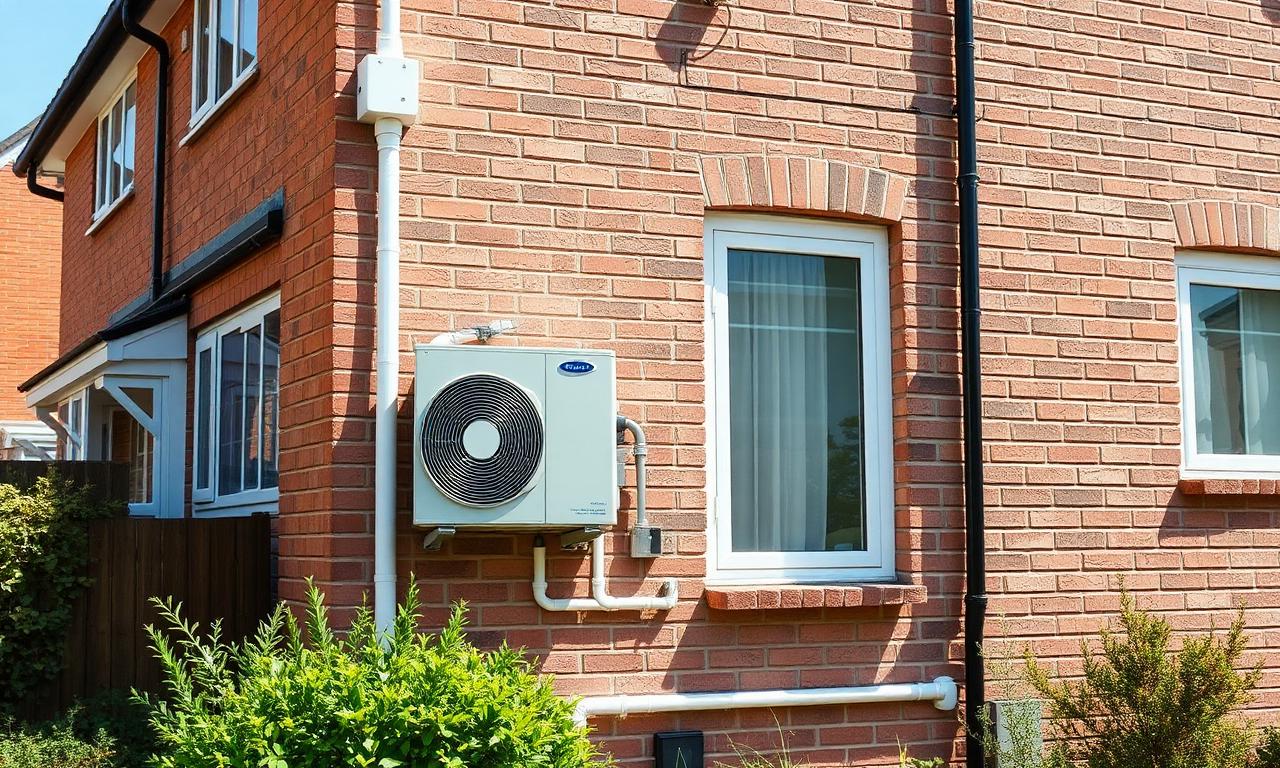
A multi-split air conditioning system is defined by its ability to connect multiple indoor units to one high-capacity outdoor condenser. In the UK market, the most common configurations are 'twin', 'triple', and 'quad' splits, though five-port systems are available for larger residences. The outdoor unit acts as the heat exchanger, containing the compressor, expansion valve, and a large fan. It is linked to the indoor units via pairs of insulated copper refrigerant pipes and electrical communication cables. This architecture is distinctly different from VRF (Variable Refrigerant Flow) systems used in commercial settings, as each indoor unit in a domestic multi-split typically has its own dedicated pipe run back to the outdoor manifold.
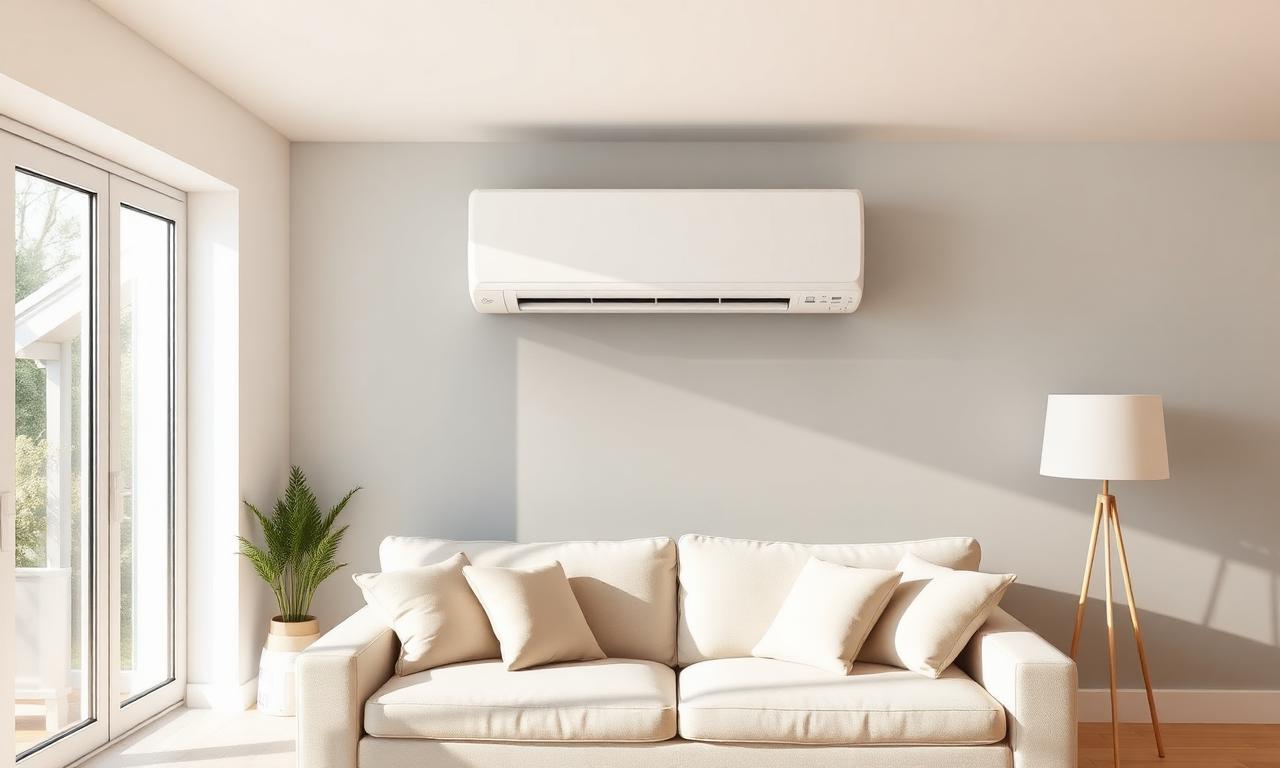
One of the primary advantages of this setup is independent zoning. Each room's indoor unit—whether it is a wall-mounted high-level breeze, a floor-mounted console, or a hidden ducted unit—can be controlled separately via its own remote or smartphone app. This means you can cool a south-facing master bedroom to 18°C while keeping a home office at 21°C. Furthermore, modern inverter-driven compressors from leading brands like Daikin and Mitsubishi Electric are remarkably quiet and efficient. They do not simply switch on and off; they modulate their speed to match the exact cooling demand, which significantly reduces electricity consumption compared to older fixed-speed technology.
When planning your installation, it is crucial to understand the 'diversity factor'. UK installers often specify an outdoor unit with a slightly lower total capacity than the sum of the indoor units. For example, you might have three 2.5kW indoor units (total 7.5kW) connected to a 6.8kW outdoor unit. This is based on the logical assumption that not all rooms will require maximum cooling simultaneously. This approach saves on the initial purchase price of the outdoor unit and ensures the compressor operates within its most efficient load range. However, if you plan to run all units at maximum capacity 24/7, your installer will recommend a 1-to-1 capacity match.
Realistic Installation Costs for 2026
The cost of a multi split air conditioning installation in the UK has seen upward pressure due to global supply chain adjustments and the rising cost of specialised labour. For 2026, homeowners should budget between £3,200 and £4,500 for a high-quality twin-split system (two indoor units and one outdoor unit). For a triple-split system, prices typically range from £4,800 to £6,500, while a quad-split system for a four-bedroom house can easily reach between £7,000 and £9,500. These figures include the supply of premium hardware from brands such as Panasonic or Samsung, all specialist materials like copper pipework and trunking, and the labour for a F-Gas certified engineering team.
Several factors can push these prices toward the higher end of the spectrum. The 'run length' of the pipework is a major variable; standard quotes usually include up to 15 or 20 metres of total pipework. If your outdoor unit is placed at the bottom of a large garden or on a high roof, the cost of extra copper, refrigerant top-ups, and labour will increase. Additionally, the type of indoor unit matters. Standard wall-mounted units are the most cost-effective. If you opt for 'designer' units like the Daikin Emura or Mitsubishi Electric Zen, expect to add £200 to £400 per indoor head. Floor-mounted units and ceiling cassettes, which require more complex structural integration, also carry a premium.
It is also important to consider secondary costs such as the electrical supply. While the AC installer handles the connection between the units, a dedicated power supply from your consumer unit (fuse box) to the outdoor condenser is required. This must be performed by a competent person under Part P of the Building Regulations. Depending on the distance from your fuse box and the current state of your home's wiring, a local electrician might charge between £300 and £600 for this dedicated circuit. Always ensure your written quote specifies whether VAT is included, as most domestic AC installations are now subject to the standard 20% rate following the end of previous energy-saving relief schemes.
Sizing and kW Capacity Requirements
Selecting the correct capacity is vital for long-term comfort and system longevity. In the UK, cooling capacity is measured in kilowatts (kW) or British Thermal Units (BTU). As a rule of thumb, 1kW is approximately 3,412 BTU. For a standard UK bedroom (approx. 12-15 square metres), a 2.0kW or 2.5kW unit is usually sufficient. For larger living rooms or open-plan kitchen-diners (25-40 square metres), a 3.5kW or even a 5.0kW unit may be necessary. An undersized unit will run constantly at maximum speed, failing to reach the target temperature and shortening the lifespan of the compressor, while an oversized unit will 'short-cycle', turning on and off too frequently and failing to dehumidify the air properly.
Professional installers conduct a 'heat loss/gain' calculation rather than relying on square footage alone. They consider the orientation of the room (south-facing rooms with large windows require significantly more cooling), the quality of insulation, the presence of heat-generating appliances, and the number of occupants. In a multi-split scenario, the outdoor unit's total capacity must be carefully matched to these requirements. For instance, a quad-split system might utilize a 4.0kW unit for a lounge and three 2.0kW units for bedrooms, requiring an outdoor condenser with at least 8.0kW to 10.0kW of nominal cooling capacity.
Energy ratings are another critical metric. Look for the Seasonal Energy Efficiency Ratio (SEER) for cooling and the Seasonal Coefficient of Performance (SCOP) for heating. In 2026, top-tier systems from LG and Mitsubishi Electric often achieve SEER ratings above 8.5 (A+++), meaning they provide 8.5 units of cooling for every 1 unit of electricity consumed. Given the UK's high electricity tariffs, choosing an A++ or A+++ rated system can save several hundred pounds over its lifetime. Always check the data sheets provided by the manufacturer to ensure the 'nominal' capacity aligns with your specific room requirements.
Legal Requirements: F-Gas and Part P Compliance
In the UK, it is a legal requirement under the F-Gas Regulation (EC) 517/2014 (which remains mirrored in UK law post-Brexit) that any air conditioning system containing fluorinated greenhouse gases must be installed, maintained, and decommissioned by a certified professional. Modern systems typically use R32 refrigerant, which has a lower Global Warming Potential (GWP) than older gases but is still strictly regulated. It is illegal for a direct-to-consumer 'DIY enthusiast' to connect the refrigerant lines themselves. A reputable installer will hold a company F-Gas certificate issued by REFCOM or F-Gas Register, and individual engineers should carry their own qualification cards.
Beyond refrigerant handling, the electrical side of the installation must comply with Part P of the Building Regulations in England and Wales. A multi-split outdoor unit can draw significant current—often requiring a 20A or 32A dedicated breaker. The installation involves wiring into the mains and, in some cases, upgrading the consumer unit. Upon completion, the homeowner should receive an Electrical Installation Certificate (EIC) or a Minor Electrical Works Works Certificate. Failure to secure these documents can cause significant issues when trying to sell your home, as surveyors and buyers' solicitors will check for compliance with building regulations.
Finally, the placement of the outdoor unit is subject to 'Permitted Development' rights. Under the Town and Country Planning (General Permitted Development) Order, an air conditioning unit is usually allowed without full planning permission if it meets specific criteria: it must be more than 1 metre from the property boundary, the external compressor volume must not exceed 0.6 square metres, and it must be the only such unit on the property. However, if you live in a flat, a listed building, or a Conservation Area, these rights are often restricted. You should always consult your local planning authority or a professional installer who is familiar with regional 'Article 4' directions that might override standard permissions.
The Installation Process and Timeline
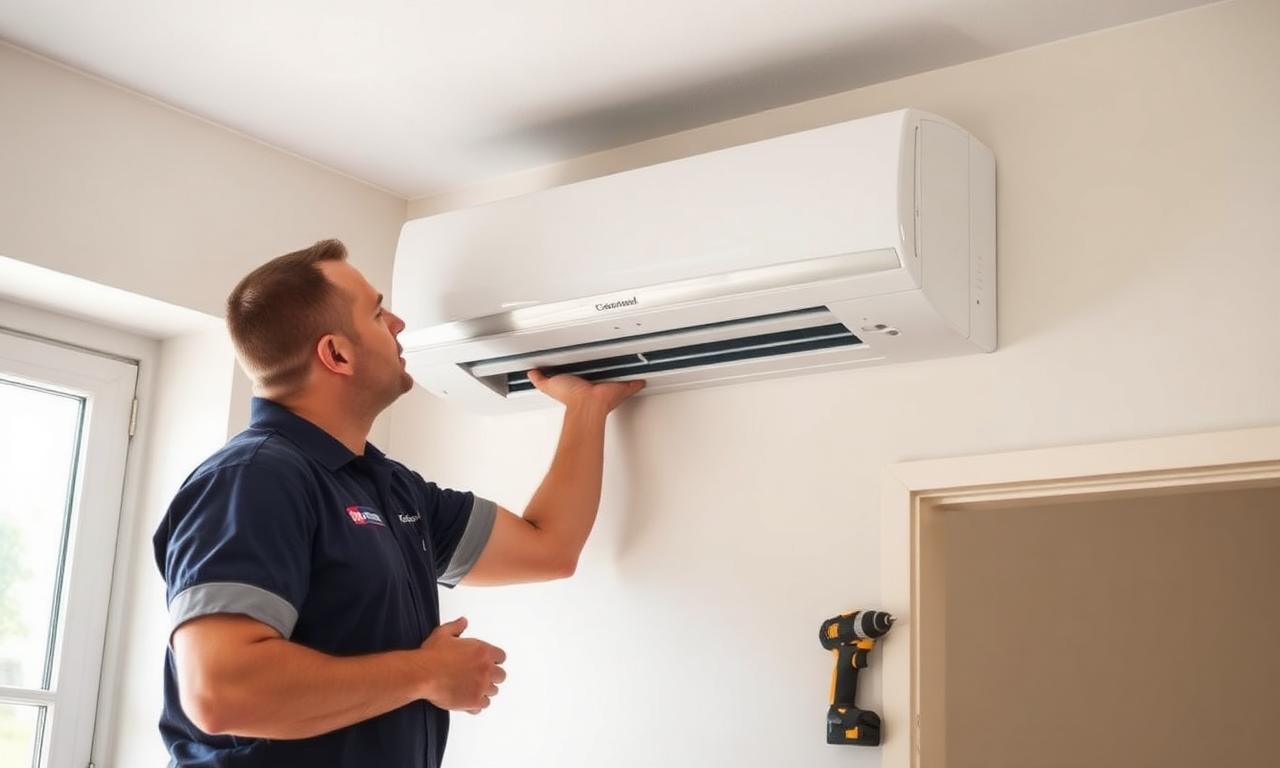
A standard multi-split air conditioning installation for a medium-sized UK home typically takes between two and four days, depending on the number of indoor units and the complexity of the pipe runs. On the first day, the engineers will focus on 'first-fix' tasks. This involves mounting the internal brackets for the units and drilling 'core holes' through the external walls using diamond-tipped masonry drills. These holes are usually 65mm in diameter and are angled slightly downwards to allow for gravity-fed condensate drainage. If the indoor units are located on internal walls, the engineers may need to lift floorboards or use specialized condensate pumps to move the waste water away from the unit.
Day two usually involves the installation of the refrigerant pipework and communication cables. These are typically hidden inside 'trunking' or 'conduit' on the exterior of the house. For a cleaner finish, some homeowners opt to have the pipes chased into the internal walls or hidden behind plasterboard, though this adds significant cost and Requires a follow-up visit from a plasterer and decorator. Once the pipes are in place, the outdoor unit is mounted on either a ground-level slab or heavy-duty wall brackets equipped with anti-vibration rubber 'feet' to minimize noise transfer into the building structure.
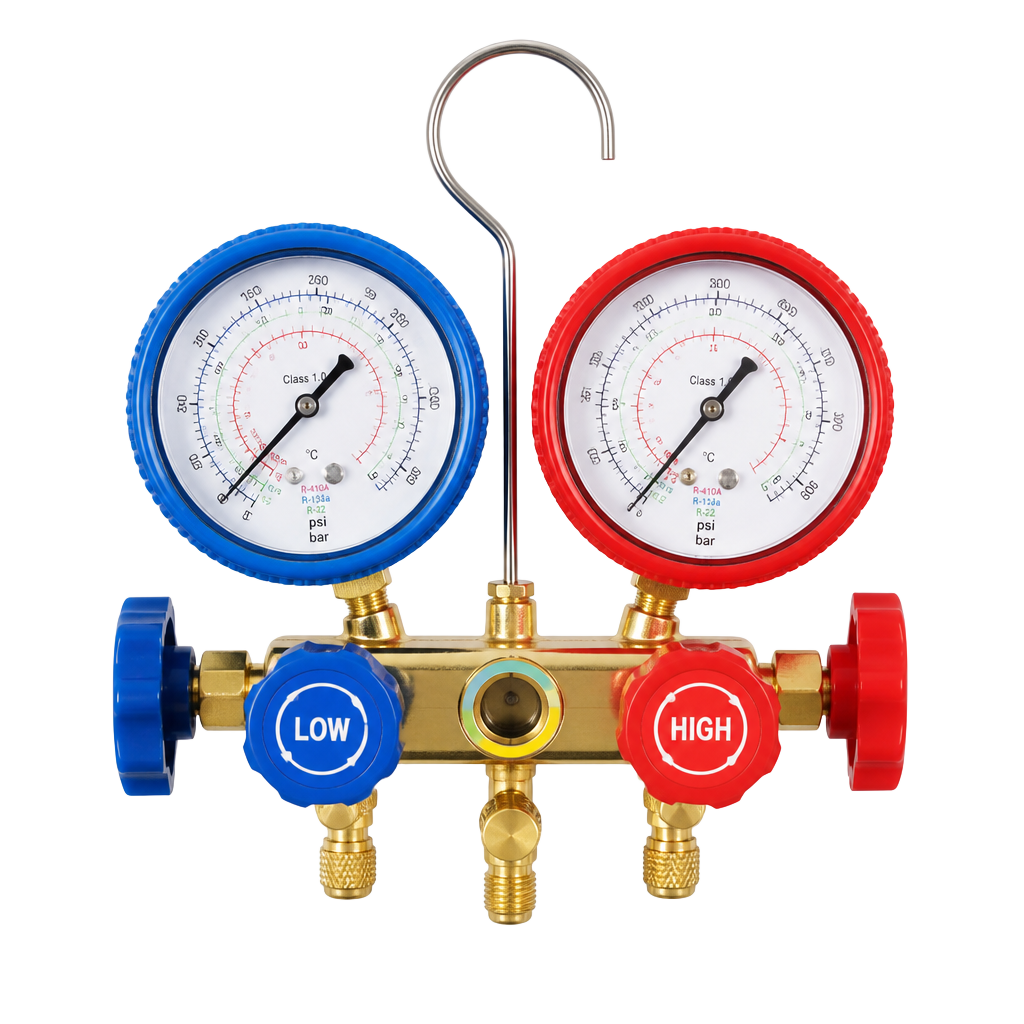
The final phase is the 'commissioning'. This is the most technical part of the job. The engineer will use a vacuum pump to remove all air and moisture from the copper lines. This process (evacuation) is vital; any moisture left in the system can react with the compressor oil and cause a premature failure. After reaching a deep vacuum, the system is pressure-tested with dry nitrogen to ensure there are no leaks. Finally, the refrigerant valves are opened, and the system is tested in both cooling and heating modes. The installer should provide you with a demonstration of the controls and a commissioning certificate that logs the pressures and temperatures recorded during the initial run.
Running Costs and Efficiency in the UK Climate
One of the most frequent questions UK homeowners ask involves the impact on monthly electricity bills. While air conditioning has a reputation for being expensive to run, modern inverter technology has changed the landscape. For a typical multi-split system in a well-insulated home, cooling a single room for four hours an evening during a summer heatwave might cost as little as 30p to 60p, depending on your current electricity tariff (estimated at 24-28p per kWh in 2026). Because the UK climate is temperate, the units often only need to 'top up' the coolness rather than fight against extreme 40°C heat for weeks at a time.
What many UK residents overlook is the efficiency of these systems as primary or secondary heaters. Most multi-split systems are air-to-air heat pumps. They can provide heating at an efficiency of roughly 400%, meaning for every 1kW of electricity used, you get 4kW of heat. This makes them significantly cheaper to run than traditional electric plug-in heaters or even some older gas boilers. Using your multi-split system to heat just the rooms you are using—rather than firing up the entire central heating system—can lead to notable savings during the 'shoulder' months of autumn and spring.
To keep running costs low, maintenance is essential. Homeowners can perform basic tasks such as cleaning the fine mesh dust filters every few months. However, an annual professional service is highly recommended and usually required to maintain the manufacturer's warranty (which is often 3 to 7 years for brands like Panasonic and Daikin). A professional service involves cleaning the coils with specialist chemicals to ensure optimal heat exchange and checking the refrigerant charge. A system with dirty coils or a slight gas leak can consume 30% more energy to achieve the same cooling effect, making regular maintenance a sound financial investment.
Choosing the Right Hardware: Brand Comparisons
The UK market is dominated by a few key manufacturers, each offering different advantages. Mitsubishi Electric and Daikin are widely considered the 'premium' choice. Their units are renowned for build quality, extremely low noise levels (as low as 19 decibels for some indoor units, which is quieter than a whisper), and extensive spare parts availability. If you are looking for the longest possible lifespan and the highest efficiency ratings, these are typically the brands quoted by top-tier installers. They also offer sophisticated control systems that can integrate with smart home platforms like Apple HomeKit or Amazon Alexa.
Samsung and LG occupy a 'tech-forward' middle ground. Samsung's 'WindFree' technology is particularly popular in bedrooms as it uses thousands of micro-holes to disperse cool air without creating a direct cold draught on the sleeper. LG units are often praised for their sleek aesthetics, including models that look like picture frames (the Artcool Gallery). These brands often offer excellent value for money, combining high-end features with slightly lower hardware costs than the traditional Japanese premium brands. Their mobile apps are generally very user-friendly, making them a hit with tech-savvy homeowners.
For those on a tighter budget, brands like Panasonic and Midea offer robust, reliable performance without the premium price tag. Panasonic’s 'Nanoe-X' air purification technology is a strong selling point for allergy sufferers, as it helps neutralise pollutants and allergens. When choosing a brand, it is less about the cooling power—as they all cool effectively—and more about the local support. You should choose a brand that your installer is 'accredited' for. An accredited installer can often offer extended warranties (e.g., 7 years instead of 3) and will have the specific diagnostic tools required to troubleshoot that specific brand’s logic boards.
Locating the Outdoor Unit and Managing Noise
The position of the outdoor condenser is one of the most contentious aspects of a multi-split installation. From a technical standpoint, the unit needs plenty of 'breathing room'—usually at least 200mm of clearance behind it and 500mm to 1000mm in front to allow for proper airflow. If the unit is boxed in or hidden behind a thick hedge, the heat it tries to expel will recirculate back into the coils, causing the system to overheat and shut down. For multi-split systems, the outdoor unit is larger and heavier than a single-split unit, so a stable, level base is non-negotiable.
Noise management is critical to maintaining good relationships with neighbours. Under the 'Standard for Installation' guidelines followed by most UK contractors, the noise level at the boundary of a neighbour’s property should not exceed a certain decibel level above the ambient background noise. Modern units are very quiet, but the low-frequency hum of a compressor can travel through walls if incorrectly mounted. Using high-quality rubber pull-through dampeners or 'big foot' mounting systems on flat roofs can eliminate this vibration. If you are installing the unit in a narrow side-alley between houses, be aware that sound can bounce off the brickwork, amplifying the noise.
Finally, think about the future of your garden or exterior space. If you plan on building an extension or a deck, ensure the unit won't need to be moved later, as re-positioning a multi-split condenser is a complex job that involves reclaiming all the refrigerant and extending the copper pipework, often costing over £1,000. Many homeowners choose to place the unit on a side wall where it is less visible, or even on a flat roof. If aesthetic is a concern, there are 'louvred' covers available that can hide the unit from view, but they must be specifically designed for air conditioning to ensure they do not restrict the vital airflow.
Frequently asked questions
Can I install a multi-split system myself to save money?+
No. In the UK, it is illegal to handle refrigerant or connect the pipework without F-Gas certification (Regulation EC 517/2014). Additionally, the electrical work must comply with Part P Building Regulations. A DIY installation will also void the manufacturer's warranty and could lead to significant fines or safety risks.
How many indoor units can I connect to one outdoor unit?+
Most residential multi-split condensers can support between two and five indoor units. If you need to cool more than five rooms, you will likely need two separate multi-split outdoor units or a small-scale VRF system, which is typically found in commercial properties.
Do I need planning permission for air conditioning?+
Usually, it is 'Permitted Development' if the unit is more than 1m from the boundary and meets size limits. However, if you live in a flat, a Conservation Area, or a listed building, you must check with your Local Planning Authority as these rights are often restricted.
How long do multi-split air conditioning systems last?+
With regular professional maintenance, a high-quality system from a brand like Daikin or Mitsubishi Electric should last between 12 and 15 years. Failure to clean filters or service the outdoor unit can reduce this lifespan to less than 10 years due to compressor strain.
Can the system heat my home as well as cool it?+
Yes. Modern multi-split systems are air-to-air heat pumps. They are highly efficient at heating, often achieving 400% efficiency. This makes them an excellent way to provide low-carbon heating for specific rooms without having to turn on your gas central heating boiler.
How much does a triple-split system cost to install in 2026?+
For 2026, a triple-split installation (three indoor units and one outdoor unit) typically costs between £4,800 and £6,500. This includes the equipment, labour, and materials, though prices vary based on the pipe run length and the specific unit models chosen.
What is the best brand of air conditioning in the UK?+
Mitsubishi Electric and Daikin are the industry leaders for reliability and noise levels. Samsung and LG are excellent for smart features and design. Panasonic is highly regarded for its air purification technology. Your choice should depend on your budget and your installer's accreditation.